
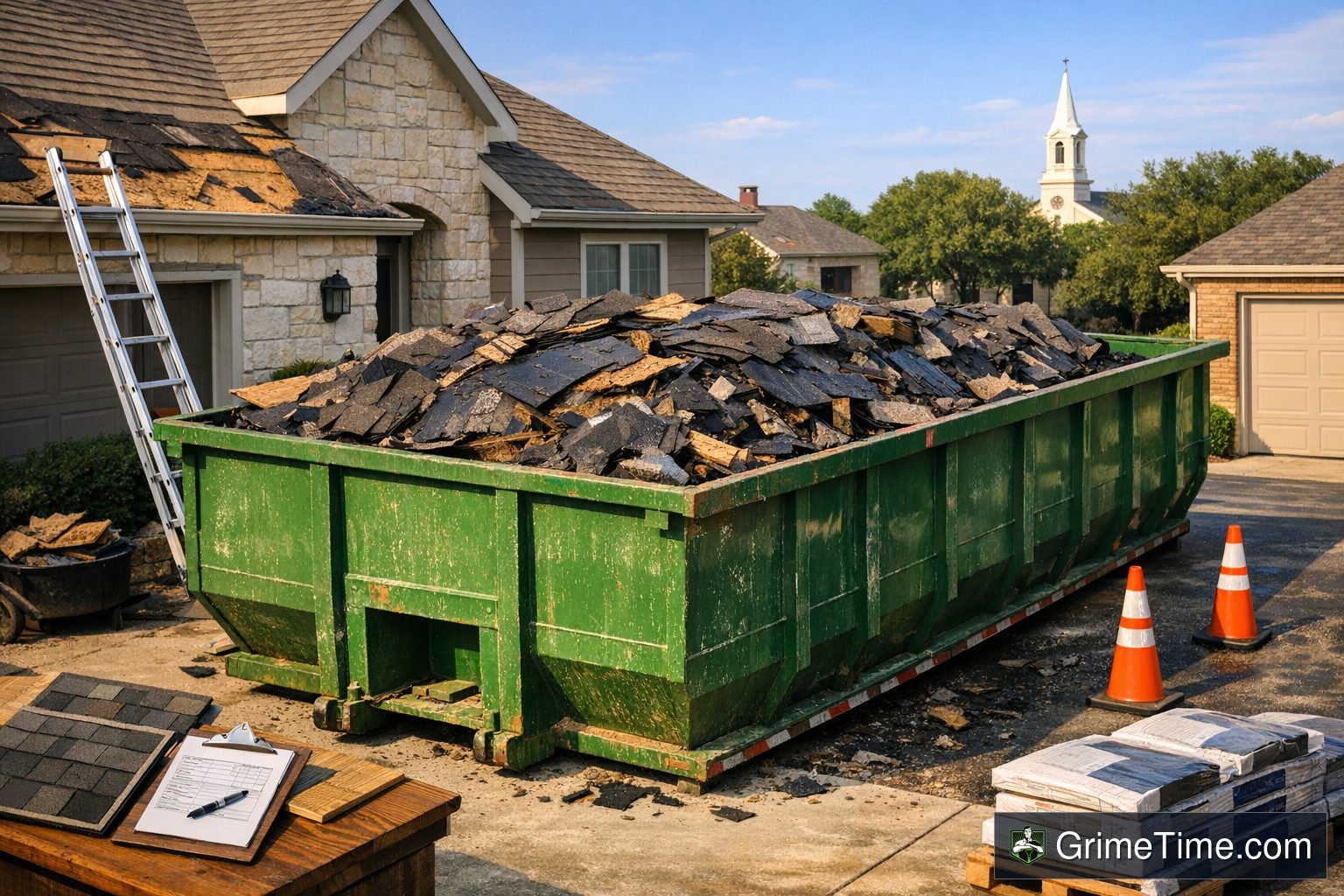
Dumpster Weight Limits in Georgetown: What to Know Before You Rent
If you are planning a roof tear-off, concrete removal, remodel, or heavy cleanout, understanding dumpster weight limits Georgetown matters just as much as choosing the right dumpster size. A container can look big enough for the debris you have, but heavy materials often make weight the real limit long before the dumpster is physically full.
That is where many homeowners, roofers, contractors, and project managers run into trouble. Shingles, tile, dirt, brick, and concrete add up fast. The right rental is not only about cubic yards. It is also about the included weight allowance, what materials can be loaded together, and whether a smaller heavy-material container makes more sense than a larger roll-off.
This guide explains how weight limits affect Georgetown projects, what materials trigger overages most often, and how to make a practical choice before delivery day. If you are comparing options now, you can also review Dumpster rental in Georgetown and Pricing for a clearer starting point.
What Dumpster Weight Limits Mean for Georgetown Projects
Every roll-off dumpster has two separate limits to think about:
- Volume capacity: how much space the dumpster holds
- Weight allowance: how much the debris inside is allowed to weigh before overage charges apply
Many Georgetown customers focus first on volume. That makes sense for furniture, brush, packaging, or light demolition debris. But for roofing tear-offs and heavy construction waste, the more important question is often, “How much will this load weigh?”
For example, a dumpster may have enough room left for more debris, but if the load already includes saturated shingles, tile, dirt, or concrete, the container may be close to its allowed tonnage. That is why roll-off dumpster weight allowance Georgetown questions come up so often on roofing and renovation jobs.
In practical terms, weight limits affect:
- Whether one dumpster will handle the full job
- Whether heavy debris needs its own container
- How mixed loads are priced
- Whether overage charges are likely
- How the debris should be planned before loading begins
This is especially important on construction and project dumpster rental jobs in Georgetown, where a single site may generate roofing debris, framing scraps, drywall, flooring, and masonry waste at the same time. A load that looks manageable can become expensive if the wrong materials are mixed into the same box.
For broader local service information, see Commercial and residential dumpster rental in Georgetown, TX.
Why Roofing Shingles, Tile, Dirt, and Concrete Hit Limits Faster
The short version is simple: some materials are dense, compact, and heavy enough that they reach the weight limit before they fill the dumpster.
Roofing shingles
Roofing dumpster weight limits Georgetown questions usually come from homeowners replacing roofs and roofing crews scheduling tear-offs. Asphalt shingles are one of the most common materials that create weight issues. They stack tightly, absorb moisture, and add up quickly across even a moderate roof.
That means a roofing dumpster may still have visible open space near the top but already be close to the included weight allowance. This is one reason roof tear-offs are often priced and planned differently than basic household cleanouts.
Tile roofing material
Tile is heavier than many customers expect. A tile roof removal can overwhelm a general-purpose container fast, especially if underlayment, battens, and other roofing layers are mixed in. For tile jobs, it is common to need a smaller container intended for heavy debris or multiple haul-outs during the project.
Dirt and soil
Dirt is deceptive because it settles densely and leaves very little air space. A partially filled dumpster of soil can outweigh a much fuller container of light demolition debris. The same issue comes up with clay-heavy soil, wet dirt, and excavation spoil.
Concrete, brick, and masonry
Concrete and dirt dumpster weight limits are among the most important restrictions to understand before booking. Broken concrete, pavers, mortar chunks, brick, and stone are extremely heavy. These materials are often accepted only in specific heavy-debris containers and usually should not be mixed with regular construction waste unless you have already confirmed the load rules for that rental.

Mixed roofing and construction debris
Mixed loads can create planning problems because they combine bulky debris with dense debris. A Georgetown remodel might include:
- Torn-off shingles
- Old decking
- Drywall
- Cabinets
- Tile flooring
- Concrete from a small patio section
Volume may suggest one large roll-off, but weight may suggest separating the heavy materials from the lighter debris. This is where speaking with a local provider before delivery can prevent avoidable charges.
How to Choose the Right Dumpster Size and Weight Allowance
The best way to choose is to match the dumpster to both the type of debris and the scope of the job. Size alone is not enough.
Start with the debris type
Ask yourself what will make up most of the load:
- Mostly light debris: household junk, cardboard, furniture, brush, trim, light remodeling waste
- Mostly medium-weight debris: drywall, flooring, wood, fixtures, cabinets
- Mostly heavy debris: shingles, tile, dirt, concrete, brick, stone
If the answer is heavy debris, the right rental may be a smaller dumpster with a suitable weight allowance rather than a bigger container intended for lighter materials.
Then consider project scope
For Georgetown jobs, the following examples are common:
- Single-layer shingle roof replacement: weight often becomes the key limit before volume
- Tile roof tear-off: usually needs closer planning due to high density
- Driveway or patio demo: heavy debris container is often the safer choice
- Kitchen or bath remodel: size depends on how much drywall, flooring, cabinetry, and tile are involved
- Whole-home cleanout with some renovation debris: a larger roll-off may work, but heavy items may need separation
Why heavy loads may require a smaller container
This is one of the biggest points customers miss. A smaller container is often the better option for very dense material because:
- It is easier to keep the load within the weight allowance
- It helps avoid overfilling with heavy debris
- It may fit site access better for tight Georgetown driveways or job sites
- It reduces the chance that a load looks acceptable by height but is too heavy by tonnage
For many heavy debris dumpster rental Georgetown jobs, the practical goal is not “fit everything in one box.” The goal is “move the material legally, safely, and cost-effectively without surprise fees.”
Use local guidance instead of guessing
If you are unsure, bring these details when you ask for help:
- Type of debris
- Approximate square footage of roofing or demolition area
- Number of material layers, if known
- Whether the debris is dry or likely wet
- Whether the load will be mixed or separated
- Project timeline and whether swap-outs may be needed
You can also review Grime Time’s Big trash container guide for a general overview of container types and use cases.
Common Overage Mistakes and How to Avoid Extra Charges
Overage charges usually happen when the load weighs more than the included allowance. That is why a plain-language explanation matters: you are not just paying for the box and delivery. Disposal costs also depend on what the material weighs and where it can be taken.
Mistake 1: Choosing by size only
A bigger dumpster is not always the better value for shingles, tile, or concrete. If the debris is dense, choosing solely by cubic yard size can lead to a load that exceeds the allowance before the container is full.
How to avoid it: Ask what weight range is typical for your debris type and whether a smaller heavy-material container is recommended.
Mistake 2: Mixing heavy materials into a general cleanup load
A few “extra” buckets of concrete, dirt, or roofing tile can change the cost of a load quickly. This is especially common on remodels where crews toss everything into one dumpster for convenience.

How to avoid it: Keep dense materials separate when possible. If you know heavy debris is part of the job, mention it before booking.
Mistake 3: Underestimating roofing weight
Shingle disposal dumpster Georgetown planning often goes wrong when a customer estimates by roof appearance rather than roof composition. Multiple layers, older shingles, and moisture all increase weight.
How to avoid it: Tell the rental company whether the roof has one layer or more, and whether there may be tile, decking, or sheathing mixed in.
Mistake 4: Assuming “half full” means “underweight”
Half full of dirt is not the same as half full of household junk. Dense debris can make a partially filled container overweight.
How to avoid it: Think in terms of material density, not just visible fill level.
Mistake 5: Waiting until the dumpster is already loaded
Once a mixed load is in the container, it is much harder to correct. Sorting after the fact slows the job and adds labor.
How to avoid it: Confirm loading rules and weight concerns before the dumpster is delivered.
What happens if your dumpster goes over the included weight limit?
In most cases, the extra weight results in an overage charge based on the amount over the included allowance. The exact rate depends on the rental terms and disposal costs tied to the material. The best way to prevent that is simple: match the dumpster to the debris from the start and disclose heavy materials up front.
For local disposal and handling context, Grime Time also provides information on Texas waste disposal management.
What Can and Cannot Go in a Heavy Debris Dumpster
Heavy debris dumpsters are usually intended for dense construction materials, but that does not mean everything can be mixed together. Accepted materials can vary by debris type, load type, and disposal rules.
Common materials that may belong in a heavy debris dumpster
- Concrete
- Brick
- Stone
- Dirt
- Asphalt shingles
- Roofing tile, depending on the load plan
- Certain masonry and hardscape debris
Materials that often need extra review or separation
- Mixed demolition debris with large amounts of concrete or dirt
- Roofing loads that include decking, underlayment, or framing material
- Plaster, stucco, or other dense renovation material
- Treated wood or specialty construction material
Restricted or prohibited materials
Customers should not assume hazardous or regulated materials can go into a standard roll-off. Items that often require separate handling include:
- Paint, solvents, and chemicals
- Batteries
- Tires
- Appliances containing regulated components
- Certain electronics
- Asbestos-containing material or other regulated waste
Rules can depend on landfill and disposal facility requirements, as well as state and local guidance. For Georgetown-area projects, it is smart to check with your provider before loading anything questionable. The Texas Commission on Environmental Quality, City of Georgetown resources, and EPA guidance can all help explain why certain materials require separate handling, but your dumpster rental provider should still be your first call before disposal.
The key point is this: a construction dumpster rental Georgetown should be matched not only to volume and weight, but also to what the receiving facility will accept in that specific load.
When to Split Debris Into Multiple Loads or Containers
Sometimes one dumpster is enough. Sometimes separating the debris is the cheaper and cleaner option.

Split loads when heavy material is only part of the project
If your Georgetown remodel includes a small concrete demo plus a large amount of framing, drywall, and cabinets, putting everything together may not be ideal. One heavy-material container for concrete and one general roll-off for lighter debris can reduce overage risk and make hauling more predictable.
Split loads when roofing is combined with interior remodeling
A roof replacement plus interior work is a common situation where one container sounds efficient but may not be. Shingles can consume the weight allowance quickly, leaving little room for flooring, drywall, or fixtures.
Split loads when site timing matters
On active construction sites, keeping debris streams separate can help crews work faster. Roofers can fill one container while remodel or framing crews use another. That can be easier than pausing the job for an early haul because one mixed dumpster hits its weight limit too fast.
Split loads when disposal rules are different
Some materials can be handled together, and some should not be mixed. If you already know there will be restricted materials or debris requiring special handling, separating them from standard construction waste is the practical move.
Need a Straight Answer on Dumpster Weight Limits for Your Georgetown Project?
If you are planning a roof tear-off, concrete removal, dirt haul-off, or a mixed cleanup, the most useful next step is to match the debris type to the right container before the dumpster is dropped off. That is where most overage problems start. A shingle disposal dumpster in Georgetown may need a very different weight allowance than a general construction dumpster rental in Georgetown, and a heavy debris dumpster rental in Georgetown may be the better fit even if the container looks smaller on paper.
If you want a practical recommendation instead of a guess, have these details ready:
- Material type: shingles, tile, concrete, dirt, lumber, mixed construction debris, or a cleanout load
- Project size: roof square footage, room count, driveway or patio dimensions, or estimated pile size
- Whether the load is clean or mixed
- Whether materials are wet, layered, compacted, or unusually dense
- Your jobsite location and timing in Georgetown
With that information, you can get clearer guidance on roofing dumpster weight limits in Georgetown, roll-off dumpster weight allowance in Georgetown, and whether concrete and dirt dumpster weight limits require a separate container or multiple loads. That makes it easier to avoid paying for too much dumpster capacity on a light job or not enough weight allowance on a heavy one.
To compare options, you can review Pricing, browse Dumpster rental in Georgetown, or see Commercial and residential dumpster rental in Georgetown, TX for local service details. If you are still not sure which container fits your project, the simplest next step is to call 512-387-5802 and ask for a size-and-weight recommendation based on your debris, not just the dumpster’s cubic yards.
You can also ask specific questions like:
- “How many squares of shingles can this container handle before weight becomes the problem?”
- “Can I mix tile, lumber, and drywall, or should heavy materials be separated?”
- “What overage rate applies if my load goes past the included weight?”
- “Would two smaller heavy-material loads cost less than one overloaded roll-off?”
A quick conversation can give you plain-language explanation of weight limits and overage charges, local Georgetown examples for roofing and heavy debris jobs, clear guidance on matching debris type to container size, and realistic expectations about mixed loads and restricted materials.
Have a project in Georgetown and want to know which dumpster size and weight allowance actually fits it? Call 512-387-5802 with your material type and project scope, and get a direct recommendation or rental price for your job.
A Practical Way to Book the Right Dumpster for Heavy Debris
If your project is in Georgetown and involves shingles, tile, dirt, concrete, or mixed construction debris, the easiest way to avoid surprises is to describe the material first and the dumpster size second. A short conversation now can help you avoid overage charges, loading problems, and unnecessary swap-outs later.
Grime Time Dumpster Rentals works with homeowners, roofers, contractors, and project managers who need straightforward guidance on container size, debris type, and weight allowance. If you want a direct answer on dumpster weight limits Georgetown, call 512-387-5802 and ask which dumpster best fits your debris type, expected load, and project scope, or what pricing makes the most sense for a Georgetown rental.