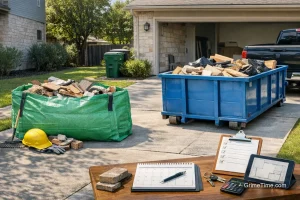
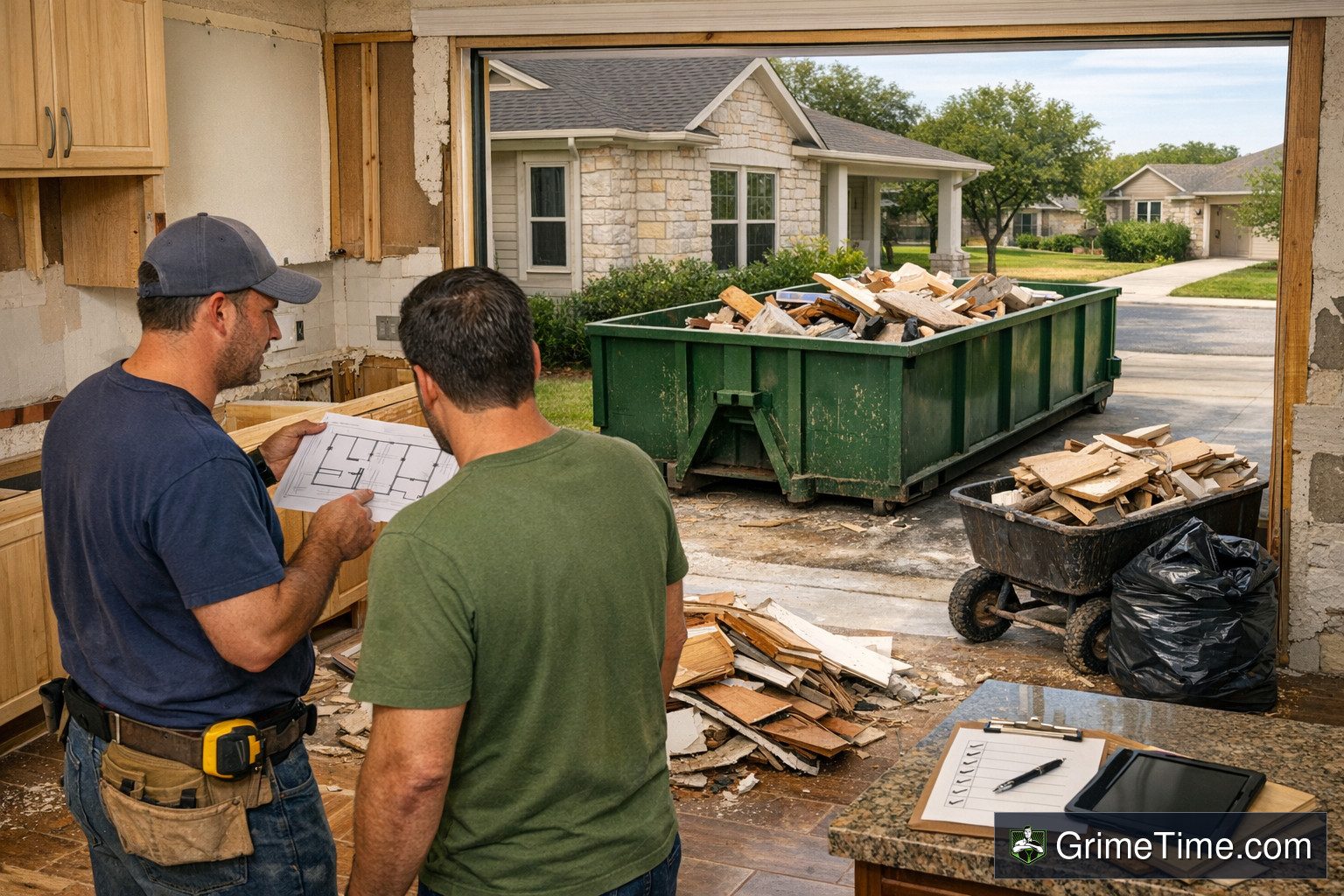
What Size Dumpster for Kitchen Remodel Buda?
If you are planning a kitchen remodel in Buda, one of the easiest ways to lose time and money is ordering the wrong dumpster size. Too small, and you may need an extra haul or a second container. Too large, and you may pay for more capacity than your project actually needs. For most kitchen remodels, the decision usually comes down to a 10-yard or 20-yard roll-off dumpster, but the right answer depends on what you are tearing out, how heavy the debris is, and where the container will sit during the job.
This guide breaks down what size dumpster for kitchen remodel Buda projects usually need, using practical examples tied to common remodel scopes in Buda neighborhoods and nearby Austin-area jobs. The goal is simple: match your debris volume, material weight, and placement conditions to the right container before demo starts.
For local service details, see Dumpster rental in Buda and the broader Buda dumpster rental resources page.
How Much Debris Does a Kitchen Remodel Usually Create?
A kitchen remodel creates more debris than many homeowners expect because the waste is not just coming from one material. Even a fairly ordinary tear-out can include cabinets, countertops, backsplash, flooring, drywall, trim, shelving, sink components, and a surprising amount of packaging or scrap wood. Once those materials are off the walls and floor, they stop looking manageable and start taking up real space fast.
In plain terms, here is what often ends up in a roll-off dumpster for kitchen renovation work:
- Base cabinets and wall cabinets
- Laminate, butcher block, cultured marble, granite, or quartz countertops
- Tile, vinyl plank, sheet vinyl, hardwood, laminate, or engineered flooring
- Drywall from wall changes, patching, soffit removal, or water-damaged areas
- Sinks, faucets, disposal units, and fixtures
- Backsplash tile, mastic, and thinset
- Trim, pantry shelving, island framing, and miscellaneous framing scraps
- Cardboard and packaging from new materials, if allowed under your rental terms
The reason sizing gets tricky is that kitchen debris involves both volume and weight. Wood cabinets are bulky. Tile flooring and drywall are dense. Countertop material can swing the recommendation from a smaller container to a larger one, or at least change how carefully the load has to be managed. That is why asking how much debris does a kitchen remodel create is really asking two separate questions:
- How much physical space will the debris take up?
- How heavy will that debris be once it is all loaded?
Real-World Kitchen Remodel Size Examples
These examples are not exact guarantees, but they are useful planning references for kitchen remodel dumpster size decisions in Buda.
- Small kitchen update: remove and replace cabinets, laminate counters, sink, and some trim while keeping the flooring and most walls. This often fits a 10-yard dumpster if materials are broken down well and there is not much drywall involved.
- Mid-size remodel: remove cabinets, countertops, backsplash, old appliances, flooring, and some drywall, maybe with pantry shelving or a partial wall section. This is often where a 20-yard dumpster becomes the safer and more practical choice.
- Full kitchen gut: remove cabinets, counters, flooring, drywall sections, soffits, island framing, and possibly open a wall or rework an adjacent breakfast nook. A 20-yard container is the more common recommendation, and some larger projects may need a second haul depending on debris mix.
Debris climbs even faster when the remodel expands beyond the kitchen itself. In Buda homes with open-concept layouts, the kitchen often connects directly to a dining area, mudroom transition, or breakfast space. If that adjacent area gets included in demo, the waste profile changes immediately. What started as a “kitchen only” job can suddenly include extra flooring, trim, drywall, or cabinetry that pushes the load beyond a small-container plan.
Which Dumpster Size Fits Small, Mid-Size, and Full Kitchen Remodels?
The most common sizes for a kitchen remodel dumpster are 10-yard and 20-yard roll-offs. Both can work, but they serve different scopes.
10-Yard Dumpster: Best for Smaller or Controlled Demo
A 10-yard dumpster is usually the better fit when:
- You are remodeling a smaller kitchen or galley-style layout
- You are removing cabinets and lighter countertops only
- Flooring is staying in place
- You are not removing much drywall
- The countertop material is laminate or another lighter product
- You have limited driveway space and need a more compact roll-off
This size often works well for a cabinet-and-countertop swap where the tear-out is controlled and the debris is mostly wood, laminate, and fixtures. It can also make sense when a contractor is carefully staging the job and not mixing in other demolition waste from nearby rooms.
Where people get into trouble is assuming a 10-yard works simply because the kitchen itself is not huge. Kitchens may be smaller than roofing or whole-house cleanouts, but kitchen debris is awkward, layered, and often heavier than expected. Cabinets take up air space. Tile and stone add density. Drywall and flooring fill voids quickly. If your job includes more than a straightforward tear-out, a 10-yard can become tight fast.
20-Yard Dumpster: Best for Most Standard-to-Full Remodels
A 20-yard dumpster is often the right choice when:
- You are removing cabinets, counters, flooring, and drywall together
- You have a medium or larger kitchen footprint
- You are tearing out an island, pantry, or breakfast-bar section
- You are dealing with tile, plaster, mortar, or heavy countertop materials
- You want enough room to load debris safely below the top rail
- You expect demolition scope to expand once the work begins
For many Buda dumpster rental for remodeling jobs, a 20-yard offers the best balance of capacity and flexibility. Once demolition starts, crews often uncover extra damaged drywall, subfloor repairs, outdated shelving, hidden water damage, or flooring that extends farther than the homeowner expected. A slightly larger container gives you more margin for those common remodel surprises.

Quick Buda Dumpster Size Selection Guidance
If you want a fast rule of thumb for Buda kitchen remodels, use this:
- 10-yard: smaller kitchen, lighter materials, limited demo, good for cabinets and laminate tops
- 20-yard: standard remodel, mixed materials, flooring included, drywall involved, or any uncertainty about scope
That simple comparison will not replace a real recommendation, but it is a useful starting point when you are trying to narrow down the right dumpster size before calling.
Simple Sizing Examples
- Cabinets + laminate tops only: usually start with a 10-yard dumpster
- Cabinets + tops + backsplash + flooring: often a 20-yard dumpster
- Full gut with drywall removal or wall changes: usually a 20-yard dumpster, sometimes with haul planning
- Small condo or compact galley kitchen: 10-yard may be enough if debris is light and limited
- Larger open-concept kitchen with island: 20-yard is usually the safer call
10-Yard vs 20-Yard Dumpster: The Most Common Kitchen Remodel Choice
The question most people ask is simple: 10 yard vs 20 yard dumpster kitchen remodel — which one should you choose?
Here is the practical answer:
- Choose a 10-yard dumpster when your demolition scope is narrow and you are confident the debris will stay limited.
- Choose a 20-yard dumpster when you are removing multiple material types, expect heavier debris, or want to avoid overfilling and costly delays.
Why the 10-Yard Can Be the Right Choice
If your project truly is a smaller kitchen update, a 10-yard container can be efficient. It takes up less space on the property, is easier to place in tighter residential settings, and avoids paying for capacity you do not need. In Buda subdivisions where driveway room is limited or multiple vehicles share the front drive, a smaller roll-off can be easier to work around.
Why the 20-Yard Often Prevents Problems
The 20-yard option is common because kitchen remodels rarely stay as small as planned once demo begins. Old flooring may run under cabinets. Tile backsplash may break apart into more debris than expected. Drywall removal expands. Countertops turn out heavier. A 20-yard is often less about “big project only” and more about avoiding a box that fills too quickly in the middle of a scheduled demo.
If you are comparing container options more broadly, Grime Time’s Big trash container guide can help you understand how different roll-off sizes relate to project types and loading needs.
The Real Cost Question
Many customers focus on the base rental price first, but the real cost issue is whether the dumpster actually fits the job. Ordering too small can lead to:
- A second container
- Extra haul or swap charges
- Project delays while waiting for service
- Labor downtime if the crew runs out of disposal space
- Messy staging piles in the garage or driveway
That is why the “cheaper” dumpster is not always the less expensive choice. For market context, you can review Austin dumpster pricing, but the more useful step is matching price to the real debris profile of your Buda remodel.
Weight Limits for Cabinets, Countertops, Flooring, and Drywall
Dumpster size is only half the decision. The other half is weight. Understanding dumpster weight limits for renovation debris matters because some kitchen materials are bulky but fairly light, while others are compact and very heavy.
Plain-English Weight Guidance
Think of weight limits like this:
- Light but bulky debris: wood cabinets, laminate counters, trim, cardboard, and light fixtures fill space faster than they add weight.
- Heavy debris: tile flooring, mortar, plaster, stone countertops, dense hardwood, and drywall add weight quickly even if they do not seem to take up much room.
That means a dumpster can look half full and still be getting close to its weight allowance if the contents are mostly tile, plaster, or stone. This is one of the most common misunderstandings during remodeling jobs.
How Common Kitchen Materials Affect Your Choice
- Cabinets: Moderate in weight but bulky. They consume volume quickly unless broken down.
- Laminate countertops: Much lighter than stone, making them easier to fit into a smaller plan if the rest of the debris is limited.
- Granite or quartz countertops: Heavy enough to change the recommendation. Even a modest amount of stone can affect loading strategy and weight expectations.
- Tile flooring: One of the most common reasons a kitchen dumpster becomes heavier than expected.
- Drywall: Heavy in quantity, especially when soffits, multiple walls, or ceiling sections are removed.
- Plaster or mortar-bed materials: Dense and weighty, worth discussing before delivery.
Cabinet and Countertop Disposal Buda Guidance
For cabinet and countertop disposal Buda projects, always mention the actual countertop material when asking about container size. Saying “old counters” does not tell the rental company enough. Laminate, butcher block, cultured marble, granite, and quartz do not behave the same in a dumpster.
This is where trust and planning matter. A useful recommendation should be based on what you are actually removing, not on a generic room label. If your kitchen includes stone counters, old mud-set tile, or thick plaster walls, say that up front so Grime Time can explain likely weight-limit issues before the dumpster is delivered.

Accepted vs Prohibited Materials
Standard kitchen remodel debris such as cabinets, drywall, flooring, wood trim, shelving, and general non-hazardous demolition waste is commonly accepted in a roll-off dumpster. However, some materials should not go into a standard remodel container or may require different handling.
These commonly prohibited or restricted items include:
- Paints, stains, solvents, and thinners
- Chemicals and harsh cleaning products
- Oils, fuels, and automotive fluids
- Batteries
- Asbestos-containing materials
- Pressurized containers
- Appliances with refrigerants, when applicable
- Other household hazardous waste items
Rules can vary by landfill, waste stream, and hauler, so it is always smart to verify exclusions before loading. For general background, local customers can review City of Buda guidance where applicable, Texas Commission on Environmental Quality information, and EPA household hazardous waste guidance. The practical rule is simple: if a material is flammable, chemical-based, pressurized, toxic, or potentially hazardous, ask first instead of assuming it can go in.
Placement, Driveway Space, and Pickup Timing in Buda
Size selection also depends on where the dumpster will go. In Buda, driveway placement is often the easiest option, but not every driveway has the same usable length, slope, or clearance. Some homes have tighter front access, parked vehicles, low-hanging tree limbs, or HOA concerns that need to be considered before delivery day.
Driveway Placement Basics
Before delivery, check for:
- Enough straight-line space for the dumpster and truck approach
- Low tree branches
- Overhead wires
- Garage overhang or roof clearance issues
- Vehicles that need to be moved before drop-off
- Slope or soft ground concerns
- HOA or neighborhood restrictions, if relevant
If driveway room is tight, tell the rental company before scheduling. A smaller container may fit better in some residential settings, but that needs to be weighed against the risk of ordering too little capacity.
Street Placement in Buda
Some remodels need street placement instead of driveway placement. Whether that works can depend on local requirements, traffic conditions, safety considerations, and whether approvals or permits are needed. If your Buda property does not have a workable driveway setup, ask about street placement early. Waiting until demo day can create avoidable delays.
Pickup Timing During a Kitchen Remodel
Kitchen remodel debris usually arrives in stages:
- Initial tear-out debris from cabinets, counters, backsplash, and flooring
- Secondary debris from framing changes, drywall, or subfloor repair
- Final waste such as trim scraps and approved packaging
If the heavy demo happens in the first day or two, it usually makes sense to have the dumpster delivered just before demolition begins. If the project is staged over a longer timeline, scheduling becomes even more important so the container is on-site when the biggest debris wave hits.
This matters in Buda because remodel timelines often overlap with active construction cycles across South Austin, Kyle, San Marcos, and nearby areas. Availability can tighten during busy periods, so earlier planning usually gives you better odds of getting the right size on the right day.
Common Sizing Mistakes That Cost More Than Expected
Most dumpster-sizing problems are avoidable. These are the mistakes that most often increase costs on kitchen remodel jobs.
1. Ordering by Room Size Instead of Debris Type
A small kitchen can still create a heavy load if it includes tile flooring, stone counters, and drywall removal. Do not size the dumpster by room square footage alone.
2. Forgetting About Flooring
Many people count cabinets and counters but forget flooring, underlayment, mortar, or damaged subfloor. That oversight can be the difference between a 10-yard and a 20-yard recommendation.
3. Not Breaking Down Cabinets
Bulky debris wastes usable space. If the crew can safely break down cabinets and long trim pieces, loading becomes more efficient and the container holds more material without overfilling.

4. Mixing Heavy Debris Without Mentioning It
If your project includes granite, quartz, tile, plaster, or thick mortar, mention it during scheduling. Weight limits matter just as much as cubic size.
5. Overfilling Above the Top Rail
Dumpsters must be hauled safely. Material stacked above the top edge can create transport problems and may require unloading before pickup. That means delays, labor time, and extra hassle.
6. Waiting Until Demo Starts to Think About Rental Timing
Once the kitchen is under demolition, the need becomes urgent. It is easier to reserve the right container before tear-out begins than to scramble for one after debris starts piling up.
Tips to Avoid Overfilling During a Remodel
- Load flat items first, such as broken-down cabinets and drywall
- Distribute heavy materials evenly
- Do not leave long pieces sticking up
- Keep prohibited items out of the container
- Separate unusually heavy debris if advised
- Ask whether your debris mix suggests moving up a size
When to Book Your Buda Dumpster Rental
For most kitchen remodels, book the dumpster once your demolition scope is clear, your contractor timeline is set, and you know the main materials being removed. You do not need exact debris calculations, but you do need enough information to get a useful recommendation.
Have These Details Ready Before You Call
If you want practical sizing help and realistic pricing, be ready to describe:
- Whether the job is a light update, standard remodel, or full gut
- The approximate kitchen size and whether there is an island, pantry, or nearby area included
- The materials coming out: cabinets, laminate tops, stone tops, tile, drywall, flooring, soffits, and similar debris
- Whether heavy materials like granite, quartz, plaster, or mud-set tile are involved
- Your demolition start date and preferred delivery window
- Whether the dumpster will go in the driveway or may need street access
- Any neighborhood, HOA, or access concerns in Buda
That information helps Grime Time give you a more accurate recommendation instead of a guess. It also allows them to explain weight limits in plain English and give you practical Buda delivery pricing tied to the real job, not just a generic size chart.
FAQ: Kitchen Remodel Dumpster Sizing in Buda
Is a 10-yard or 20-yard dumpster better for a typical kitchen remodel in Buda?
For a smaller kitchen with limited demolition, a 10-yard dumpster may be enough. For a more typical remodel involving cabinets, countertops, flooring, backsplash, and some drywall, a 20-yard dumpster is often the safer choice. The real deciding factor is not just kitchen size. It is the debris mix, whether heavy materials are involved, and how much uncertainty there is in the demo scope.
Can I throw away cabinets, countertops, flooring, and drywall in the same dumpster?
In many cases, yes. Standard renovation debris can usually go in the same roll-off dumpster. The main issues are whether any of those materials are unusually heavy and whether prohibited items are mixed in. Paint, chemicals, solvents, batteries, and other hazardous materials should stay out unless separate disposal arrangements are made.
How do weight limits affect heavy materials like tile, plaster, or stone countertops?
Heavy materials can push a load toward its weight allowance much faster than most people expect. Even if the dumpster still looks partly empty, it may not be wise to keep loading dense debris. If your remodel includes tile floors, mortar, plaster, or stone countertops, mention that before ordering so the recommendation takes weight into account, not just cubic volume.
Do I need space in the driveway or street access for a kitchen remodel dumpster in Buda?
Yes. The dumpster needs a clear placement area and truck access for both delivery and pickup. A driveway is often easiest, but street placement may be possible depending on site conditions and local requirements. This is one more reason local Buda context matters when choosing size. A container has to fit both the debris and the property.
What information should I have ready before getting dumpster pricing for my remodel?
Have your project scope, materials, and timeline ready. That means the kitchen size, what is being removed, whether flooring and drywall are included, whether there are heavy countertops or tile, when demo starts, and where the dumpster will be placed. With that information, you can get practical pricing and a size recommendation that is tied to your remodel instead of a rough estimate.
Choose the Right Kitchen Remodel Dumpster Before Demo Starts
The right answer for what size dumpster for kitchen remodel Buda projects usually comes down to a practical comparison: a 10-yard dumpster for smaller, lighter, more controlled tear-outs, or a 20-yard dumpster for standard remodels and full gut jobs with mixed debris, flooring, drywall, or heavier materials. The key is not guessing by room size alone. Cabinets, countertops, flooring, drywall, tile, and stone all change the recommendation.
If you want to avoid ordering too small, overloading the container, or paying for capacity you do not need, the best next step is to get the job diagnosed before demolition begins. Call 512-387-5802 and describe your kitchen remodel scope, the materials coming out, and your timeline for Buda delivery. If you tell Grime Time whether you are removing cabinets only or doing a full gut, what the countertops and flooring are made of, and when demo starts, they can recommend the right roll-off size, explain likely weight limits in plain English, and give you practical pricing for Buda delivery based on the debris your project is actually expected to create.