
Dumpster Rental Prices in Round Rock: What Actually Changes the Cost?
If you are comparing dumpster rental prices Round Rock property owners and contractors commonly see, the biggest thing to know is this: the final cost is not based on container size alone. Size matters, but so do weight, debris type, rental length, where the dumpster will sit, and whether the load needs any special handling.
For homeowners clearing out a garage, crews tearing off roofing, or project managers planning a remodel, a good quote should explain how pricing is built in plain language. That helps you compare options, avoid overage fees, and choose a roll-off that fits the job instead of paying for the wrong container twice.
This FAQ-style guide breaks down the main pricing factors for dumpster rental Round Rock customers should understand before booking.
What affects dumpster rental prices in Round Rock?
The main factors that affect Round Rock dumpster rental cost are:
- Dumpster size
- Included weight allowance
- Type of debris going into the container
- Rental period length
- Delivery distance and local routing logistics
- Placement location, such as driveway versus street
- Permit needs if the container goes in a public area
- Special disposal rules for restricted materials
That is why two jobs using the same size container can have very different totals. A 20-yard dumpster filled with old furniture and boxes is a very different disposal job than a 20-yard dumpster filled with concrete, dirt, shingles, or demolition debris.
In Round Rock, pricing can also be shaped by local jobsite conditions. A wide driveway in a newer subdivision is easier to service than a tighter placement near parked cars, narrow access points, HOA-sensitive areas, or a downtown-style street setup where public placement may trigger extra steps. Even when the base rental looks similar, local handling conditions can change what is practical and what is most cost-effective.
For that reason, the best way to think about how much does a dumpster rental cost in Round Rock is not as one universal number. It is a combination of container volume, expected weight, debris category, and logistics.
Flat-rate vs. variable pricing models
One of the most important questions to ask before booking is whether pricing is flat-rate, variable, or a mix of both.
- Flat-rate style pricing usually includes delivery, pickup, a set rental period, and a stated weight allowance. This makes comparison easier because you can see what is included up front.
- Variable pricing may start with a lower base rate but add charges for weight, extra days, certain materials, difficult placement, or special disposal needs.
- Hybrid pricing is common too: a standard rental includes a basic weight limit and time window, with added cost only if you exceed those terms.
Neither model is automatically better. What matters is knowing exactly what the quoted price covers. If you are comparing roll-off dumpster rental prices, check whether the quote clearly states the size, included tonnage or weight, rental term, and any common add-on situations.
How dumpster size changes the total rental cost
Size is the factor most people look at first, and for good reason. Larger dumpsters usually cost more than smaller ones because they take up more truck capacity, can hold more material, and often carry higher disposal exposure. But larger does not always mean more expensive in practice.
Sometimes a bigger container saves money by preventing:

- A second haul
- A swap-out fee
- Overflow that cannot legally be transported
- Extra labor from stacking debris too tightly or making dump runs yourself
Why the cheapest size can become the expensive choice
A common mistake is ordering a dumpster based only on the lowest advertised entry price. For example, a homeowner doing a small bathroom tear-out may truly need a smaller container. But a whole-home flooring removal, garage cleanout, or multi-room remodel can outgrow that size quickly.
If you run out of room and need a second dumpster, your actual total may be higher than if you had rented one larger container from the beginning. That is why dumpster size pricing Round Rock shoppers should compare value, not just the smallest number on the page.
General size-fit thinking for common Round Rock jobs
Without forcing every project into a rigid chart, here is a practical way to think about size:
- Smaller containers often fit single-room cleanouts, minor decluttering, and small renovation debris.
- Mid-size containers are often a better match for roofing jobs, larger cleanouts, flooring removal, kitchen remodels, and moderate construction debris.
- Larger containers make sense for major remodels, estate cleanouts, commercial cleanups, construction sites, and projects producing bulky but not excessively dense debris.
The key distinction is bulky versus heavy. A large amount of light debris may need a bigger box. A smaller amount of very dense debris may need a smaller box with careful weight planning. If you want a clearer picture of how common container sizes match project types, Grime Time’s big trash container guide is a useful reference point.
Does a larger dumpster always cost more, or can it save money?
It can absolutely save money on the right job. If your project is likely to generate more volume than expected, a slightly larger roll-off can be the more efficient choice. This is especially true for:
- Attic, garage, and shed cleanouts with bulky household items
- Remodels where debris piles up in phases
- Contractor jobs where labor time matters
- Properties that would be difficult to service multiple times
In other words, the question is not just “What size costs less?” It is “What size fits the debris without forcing another haul or creating overflow?”
Why debris type and weight matter more than many people expect
For many customers, weight is the part of pricing they underestimate most. A dumpster can look only half full and still be heavy enough to affect the final bill. That is why dumpster rental weight limits matter so much.
Volume and weight are not the same
Think of it this way:
- Old couches, cardboard, trim, and general household junk take up space quickly but may not be especially heavy.
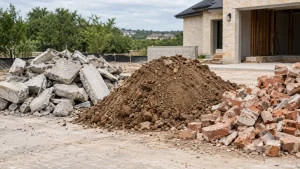
- Concrete, brick, soil, roofing shingles, tile, plaster, and wet demolition debris are much denser and can hit weight limits fast.
This is one of the biggest reasons Round Rock dumpster rental cost varies from project to project. Disposal sites charge based on what is being brought in, and very heavy materials can increase hauling and dump costs even if the container is not visually full.
Examples of debris that often changes pricing
- Household cleanout debris: usually more about volume than extreme weight, unless appliances or dense furniture are included.
- Construction debris: mixed demolition materials can become heavy quickly, especially drywall, wood, flooring, and cabinets together.
- Roofing shingles: compact and dense, often requiring careful weight planning.
- Concrete, dirt, brick, or rock: usually need special size guidance because they are much heavier per cubic yard than general trash.
- Yard debris: can be straightforward, but weight changes if the load includes stumps, sod, or soil rather than just brush and limbs.
How weight limits usually work
Most rentals include a stated weight allowance. If your load stays under that limit, the quoted rate usually holds. If the load exceeds the allowance, overage charges may apply. That is why asking about included tonnage is just as important as asking about container size.
Before you book, ask:

- What weight is included in the rental price?
- What happens if my load goes over that limit?
- Are certain heavy materials priced differently?
- Should I choose a different size or a dedicated heavy-material container?
If you are disposing of dense debris, mentioning that up front is one of the smartest ways to avoid billing surprises.
How rental length, delivery access, and placement affect pricing
Size and weight get most of the attention, but time and site conditions matter too. A standard rental period is usually built into the base price. If you keep the dumpster longer than that window, daily or extended-rental fees may apply.
Rental length and schedule planning
Short projects are often easier to price cleanly. If you know the debris will be loaded over a weekend or during a tight construction phase, you can often choose the most efficient delivery and pickup window.
Longer projects create more variables, especially for:
- Whole-home remodels
- Insurance restoration work
- Construction phases that generate debris in waves
- Projects waiting on inspections or subcontractor schedules
If your timeline is flexible or uncertain, ask how long the quoted rental covers and what extra days cost. This is one of the easiest questions to ask before booking, and it can save frustration later.
Delivery access in Round Rock neighborhoods and jobsites
Access affects both safety and efficiency. A driveway with clear overhead space and room to maneuver is usually simpler than a jobsite with tight turns, soft ground, low branches, parked vehicles, or limited street access.
In Round Rock, access concerns can come up in a few common situations:
- Residential streets with frequent curbside parking
- Steep or narrow driveways
- Commercial sites with restricted loading zones
- Active construction projects where equipment and materials already occupy space
These factors do not always create extra cost, but they can affect the size that will fit, the safest placement, or whether additional coordination is needed.
Driveway placement vs. street placement
Whenever possible, placing a dumpster on private property such as a driveway is often simpler. Street placement can involve extra rules, permit questions, traffic concerns, or HOA issues. It can also affect how long the container can remain in place and where the truck can safely deliver it.
If you think the dumpster may need to go on the road or in another public area, bring that up before you book. That leads directly into permit rules and local restrictions.
When permits, prohibited items, and special handling add cost
Some pricing changes have nothing to do with size at all. They happen because the load or placement triggers an extra rule.

Do I need a permit in Round Rock if the dumpster goes on the street?
If the dumpster will be placed on a public street, right-of-way, or another public area, permit requirements may apply. Because local rules can change, it is smart to confirm current Round Rock dumpster permit rules through the City of Round Rock before delivery. A hauler may be able to tell you what is commonly required, but the city is the best source for the latest guidance on public placement and right-of-way use.
If the container will sit fully on private property, a permit may not be necessary, but that does not remove all site concerns. Homeowner association rules, access restrictions, and utility clearance can still matter.
Prohibited materials can change the job completely
Not everything can go into a general roll-off dumpster. Certain items are commonly restricted because they require separate handling, special disposal, or regulated processing. These may include:
- Paints, solvents, and chemicals
- Motor oil, fuels, and other automotive fluids
- Batteries
- Tires
- Appliances containing regulated components
- Electronics in some disposal streams
- Hazardous or regulated waste
For guidance on regulated waste categories in Texas, the Texas Commission on Environmental Quality is a useful source. The practical takeaway for renters is simple: if you are not sure whether an item is allowed, ask before loading it.
Special handling materials
Some materials are not fully prohibited but may still need separate pricing or a dedicated container. Common examples include:
- Concrete and masonry
- Large quantities of roofing shingles
- Dirt and soil
- Heavy mixed demolition debris
These materials may need size restrictions or special load planning to keep transport safe and legal. That is another reason the cheapest standard quote is not always the right quote for a heavy project.
How to avoid common pricing surprises on your rental
If you want the most accurate estimate of how much does a dumpster rental cost in Round Rock, the goal is to describe the project clearly before the dumpster arrives. Most pricing problems happen when the rental details and the actual debris do not match.
Questions customers should ask before booking
- What size do you recommend for my specific project?
- What weight is included in the quoted price?
- What debris types are allowed?
- Are there extra charges for shingles, concrete, dirt, or heavy demolition debris?
- How many days are included in the rental period?
- What does an extra day cost?
- Do I need a permit if the dumpster goes on the street in Round Rock?
- What items are prohibited?
- What happens if the container is overloaded or debris is stacked above the rim?
- Will the placement area affect which size I should choose?
Common causes of overage fees
- Choosing a container that is too small, then needing a second haul
- Exceeding the included weight allowance
- Mixing prohibited items into the load
- Keeping the dumpster longer than the rental period
- Loading debris above the top edge, which can require offloading before transport
- Using a general mixed-waste quote for a heavy debris job
Simple ways to keep your quote accurate
Be specific when you request pricing. Instead of saying “general junk,” say something closer to:
- “Garage cleanout with shelving, cardboard, old toys, and a few chairs”
- “Kitchen remodel with cabinets, drywall, countertops, and flooring”
- “Roof tear-off for a single-family home”
- “Concrete patio removal”
That level of detail helps a local provider recommend the right container and explain whether your project is more affected by volume, weight, or timeline.
When it makes sense to get a custom quote
Some projects fit standard pricing well. Others are better handled with a custom quote because the debris, access, or schedule is less predictable.
Projects that often need more tailored pricing
- Large remodels with multiple debris phases
- Commercial cleanouts
- Construction sites that may need multiple hauls or swaps
- Heavy-material jobs involving concrete, dirt, or masonry
- Properties with difficult placement or limited access
- Projects that may need the dumpster longer than a standard rental term
A custom quote is also smart if you are deciding between two sizes and want to know whether the larger option could actually reduce the chance of overage charges or a second delivery.

What to have ready when asking for pricing
To get a useful answer quickly, have these details ready:
- Project address in Round Rock or nearby service area
- Type of project
- Main debris materials
- Expected amount of debris
- Where the dumpster will be placed
- How long you expect to need it
- Any site access issues
If you are still comparing options, the main Grime Time roll-off dumpster rental page can help you understand service fit before you narrow down pricing.
Frequently asked questions about dumpster rental prices in Round Rock
What are the main factors that affect dumpster rental prices in Round Rock?
The biggest pricing factors are container size, included weight, debris type, rental period, placement location, access conditions, and whether any permit or special disposal requirement applies. A quote is most accurate when all of those details are discussed up front.
Does a larger dumpster always cost more, or can it save money on some jobs?
A larger dumpster often has a higher base price, but it can save money if it prevents a second haul, avoids overflow, or fits a bulky project better. For whole-room cleanouts, remodeling debris, and contractor jobs, a slightly larger size can be the better value.
How do weight limits and debris type change the final price?
Dense materials such as shingles, concrete, dirt, tile, and masonry can reach weight limits quickly. If your load goes over the included allowance, extra charges may apply. That is why debris type matters just as much as the dumpster’s physical size.
Do I need a permit in Round Rock if the dumpster goes on the street?
You may. If the dumpster is placed in a public street or right-of-way, city approval or a permit may be required. It is best to confirm current rules with the City of Round Rock before delivery. If the container stays on private property, permit needs are often simpler, though HOA rules may still matter.
What is the smartest way to get accurate pricing for my project?
Describe the job in practical detail: what kind of debris you have, how much of it there is, whether it is bulky or heavy, how long you need the container, and where it will be placed. The more specific you are, the easier it is to match the right size and avoid surprise charges.
Final takeaway: price depends on fit, not just the container
When people search for dumpster rental prices Round Rock, they are usually trying to answer a simple question: “What will my project actually cost?” The honest answer is that price depends on fit. The right roll-off is the one that matches your debris volume, material weight, timeline, and placement conditions without creating avoidable overages.
For a small cleanout, that may mean a compact container with a straightforward rental term. For a remodel or construction job, it may mean stepping up a size or choosing a setup built around heavier debris. If you want the best estimate, compare size options and ask how the quote handles weight, rental length, and restricted materials before the dumpster is delivered.
If you are planning a project in Round Rock, would it help to get a direct answer based on your debris type, expected volume, and timeline so you can compare container sizes and figure out which option fits without guessing?