Dumpster Rental in Buda: Roll-Off Dumpster Rental vs Trailer Hauling
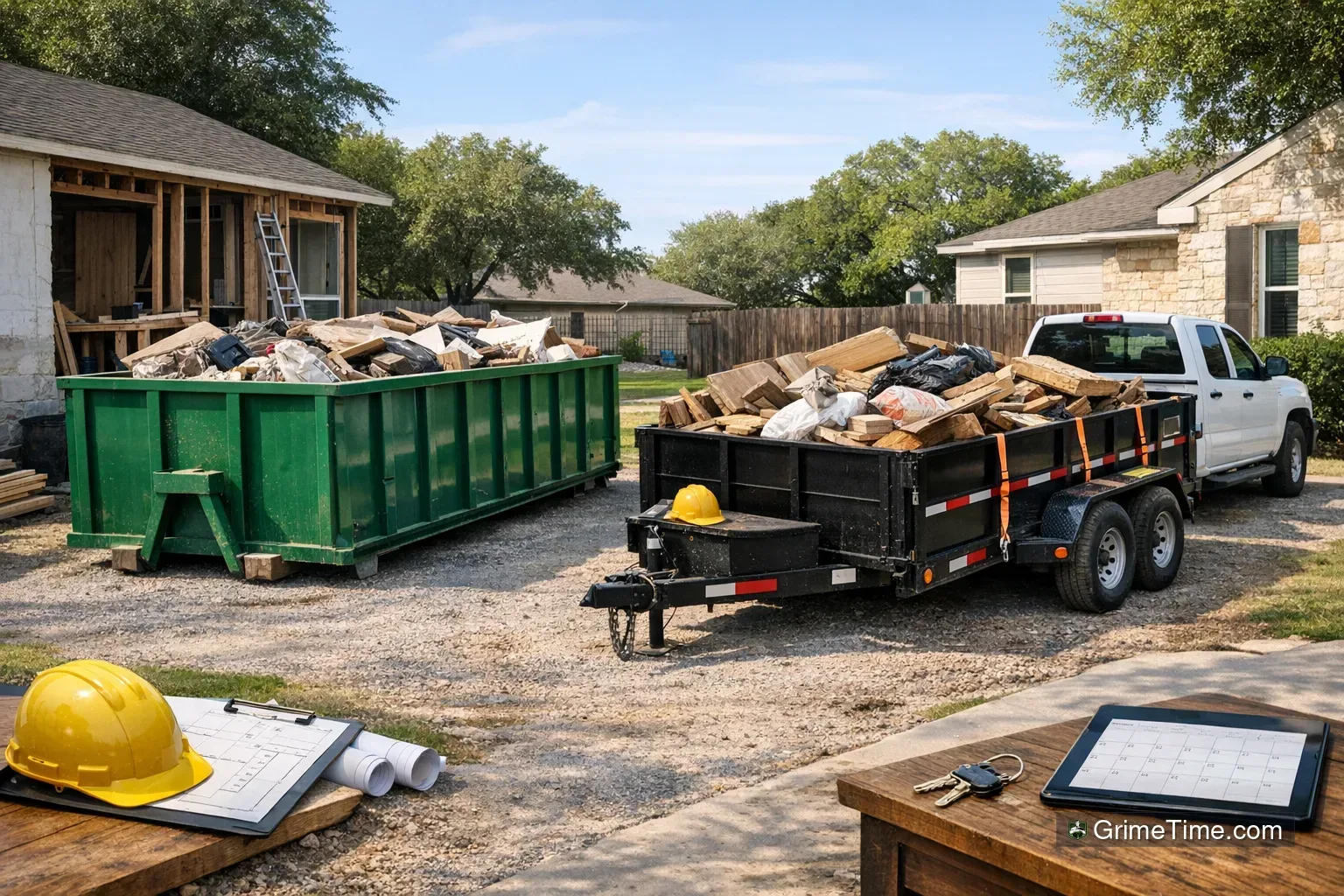
If you are planning a cleanup project in Buda, one of the first decisions is how you want the debris removed. For many homeowners and contractors, the real comparison is not just disposal in general. It is whether a dumpster rental Buda project calls for a roll-off dumpster on site or whether hauling debris away with a trailer makes more sense.
Both options can work. The better choice depends on how much material you have, how fast the job needs to move, how much labor you want to put into hauling, and whether your property can handle repeated loading and dump runs. This guide breaks down the differences in plain language so you can match your Buda cleanup project waste removal plan to the actual job in front of you.
If you want a local overview of service options, see dumpster rental buda. For broader service details, you can also review Grime Time Roll-Off Dumpster Rental.
Roll-Off Dumpster Rental vs Trailer Hauling: What’s the Difference?
At a basic level, both methods are meant to remove unwanted material from a property. The difference is in how the debris leaves the site and how much work stays on your shoulders during the project.
How roll-off dumpster rental works
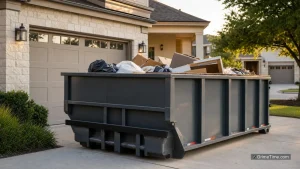
With roll-off dumpster rental Buda service, a dumpster is delivered to your property or job site and left in place while you load it. When you are done, the container is picked up and taken away for disposal. The main advantage is that the debris can stay on site, in one central container, for the entire cleanup period.
This setup is useful when debris is being created over time instead of all at once. Remodeling projects, roofing work, moving cleanouts, garage cleanups, and construction jobs often create waste in stages. A roll-off dumpster lets your crew or household keep working without stopping to unload a trailer at a disposal facility every time the pile grows.
How trailer hauling works
Trailer hauling usually means you or your crew load debris into a trailer, drive it to a disposal site, unload it, and then return to continue the project. Some people already own a trailer or can borrow one, which makes this option seem simple at first. If the project is small and the debris is light, trailer hauling may be practical.
But it is not just about whether a trailer is available. You also need to count the labor of loading, securing the load, driving, waiting, unloading, and repeating that process if one trip is not enough.
The practical difference on a real Buda job
Imagine a homeowner in Buda clearing out a garage, replacing old fencing, and trimming overgrown brush in the same week. With a trailer, the job may turn into several separate dump runs. That adds time, fuel, unloading effort, and interruptions. With a dumpster, the cleanup can keep moving because the waste stays in one place until pickup.
Now imagine a contractor doing a bathroom and kitchen remodel at the same time. Demo debris builds up daily. A trailer may work if the crew has a dedicated person available to haul constantly, but in many cases that means a worker is spending hours driving instead of working on the build. A construction dumpster rental Buda setup often fits better because it keeps labor focused on the actual project.
Why this comparison matters
A lot of people compare these options only by looking at the rental or hauling fee. That misses the bigger picture. The real comparison should include:
- How many times debris will need to be moved
- How much labor is tied up in transport
- How quickly the project needs to move
- How much material will pile up before the work is done
- Whether the property has room for loading and access
- Whether your debris includes items with disposal restrictions
For many Buda jobs, the cheapest-looking option on paper becomes the more expensive one once repeated hauling, downtime, and labor are added in.
When a Roll-Off Dumpster Makes More Sense in Buda
There are many situations where a dumpster is simply the more practical tool. This is especially true when the project creates debris steadily, involves multiple material types, or needs to stay organized and safe while work continues.
Home remodeling projects
Kitchen remodels, bathroom tear-outs, flooring replacement, window replacement, and whole-home renovation jobs often create debris over several days or weeks. Old cabinets, drywall, tile, flooring, trim, packaging, and other materials can stack up quickly. A residential dumpster rental Buda option keeps the job site cleaner and reduces the need to pile debris in the driveway, yard, or garage.
For homeowners, convenience matters. Instead of figuring out how to break the job into trailer-sized loads, you can toss debris as you go. For contractors, it means cleaner work areas and fewer project interruptions.
Moving prep and property cleanouts
If you are preparing a house for sale, cleaning out an inherited property, emptying a rental unit, or finally clearing years of accumulated clutter, volume is usually the deciding factor. What looks like “just some junk” at the start often turns into furniture, old shelving, bagged trash, broken household items, yard debris, and bulky materials that eat up trailer space fast.
A dumpster works well when you do not yet know exactly how much will come out of the property. You can keep loading while sorting room by room instead of trying to estimate how many trailer trips the cleanout will require.
Construction and contractor jobs
For builders, subcontractors, and project managers, construction dumpster rental Buda service often makes the most sense when there is ongoing debris generation. Demolition, framing scrap, roofing tear-off, siding removal, and general construction cleanup are common examples. A roll-off container helps keep materials contained rather than scattered across the lot or staged in loose piles.
On active job sites, efficiency matters more than just disposal cost. If a laborer spends half a day doing dump runs, that labor cost can easily outweigh the convenience of using a trailer.
Yard cleanup and outdoor projects with more volume than expected
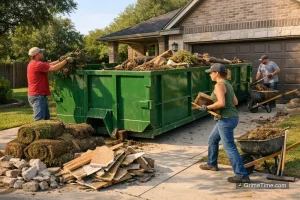
Brush removal, storm cleanup, fence replacement, deck tear-outs, and landscape overhauls can produce awkward, bulky waste. Limbs, boards, posts, dirt-covered materials, and broken outdoor structures rarely stack neatly. Trailer hauling can become frustrating if every load has to be carefully arranged and strapped down.
A dumpster gives you a larger target and a more forgiving loading process. That can be especially helpful when a cleanup involves both yard material and demolition debris from outdoor structures.
Jobs where timeline matters
If your project has a deadline, dumpster rental usually has the advantage. This is true for:
- Pre-sale home cleanups
- Fast-turn rental property turnovers
- Commercial tenant improvements
- Time-sensitive remodels
- Weekend cleanout projects
Repeated trailer hauling slows jobs down. Each run takes workers or family members away from loading and sorting. With a dumpster, the site keeps moving while the container stays put.
Jobs where safety and site organization matter
Loose debris piles create trip hazards, block access, and make properties harder to manage. On a home project, that can be an annoyance. On a commercial or construction site, it can disrupt workflow. A roll-off container provides one designated place for waste, which helps keep cleanup more controlled.
When the debris is mixed
Many projects in Buda create more than one type of waste. A remodel might produce drywall, lumber, tile, and packaging. A move-out cleanup might include furniture, boxes, and general trash. A trailer can handle mixed loads, but repeated sorting, loading, and unloading become more of a burden as volume increases. A dumpster is often the easier choice when the waste stream is broad and ongoing.

When Trailer Hauling May Be the Better Option
Trailer hauling is not the wrong choice. In some situations, it is the smarter one. The key is knowing when the project is truly small enough and simple enough to justify it.
Very small, short-duration cleanups
If you have one limited pile of debris and expect it to be loaded and removed in a single trip, trailer hauling may be reasonable. Examples include:
- A small amount of brush from trimming a few trees
- A single furniture pickup tied to a minor cleanout
- Leftover material from a small DIY project
- One load of boxes and household junk after organizing a garage
In these cases, the simplicity of loading and going may outweigh the benefit of having a dumpster on site.
When you already have the trailer, vehicle, and labor
If you own a suitable trailer, have a vehicle rated to haul it safely, and have enough labor available, hauling your own debris can make sense for smaller jobs. The important question is whether you are truly saving time or just shifting the burden onto yourself or your crew.
For a homeowner with a free Saturday and one small disposal load, that may be fine. For a contractor whose workers need to stay on the build, it often is not.
When disposal happens immediately
Some projects generate debris all at once rather than over several days. If the waste can be loaded and removed immediately and there is no need to keep a container on site, trailer hauling may be practical.
For example, if you are removing a single playset or tearing down a small shed and know the debris will fit in one controlled load, a trailer may do the job.
When site space is too tight for a container
Most properties can accommodate a dumpster somewhere on site, but there are occasional access limitations. Tight driveways, narrow lanes, soft ground, vehicle congestion, or limited staging space can make placement harder. In a few of those cases, trailer hauling may be the easier fit.
That said, do not assume space rules out a dumpster without asking. Many property owners in Buda are surprised to learn that a driveway or job site can work with the right placement plan. If access is a concern, it is worth talking through the layout before deciding.
When the waste stream is light and manageable
Trailer hauling is usually strongest when the debris is:
- Low in volume
- Light enough to load easily
- Easy to secure for travel
- Likely to be disposed of in one trip
Once those conditions change, trailer hauling often becomes less practical.
Why trailer hauling is not always cheaper
One of the most common assumptions is that using a trailer must cost less than renting a dumpster. Sometimes it does. Sometimes it does not. The answer depends on the number of dump runs, disposal fees, fuel, worker time, and unloading effort.
If your project grows from one load into three or four, the math changes quickly. This is where people often underestimate the full cost of trailer hauling. The price is not just the trailer. It is the total time and effort wrapped around it.
Key Decision Factors: Cost, Labor, Time, and Debris Volume
If you are deciding between trailer hauling vs dumpster rental, these are the four factors that usually matter most.
1. Cost: compare the whole project, not just the container
It is easy to compare only the upfront rental cost against the idea of “doing it yourself” with a trailer. But for a fair comparison, include:
- Fuel and vehicle wear
- Dump or disposal fees
- Time spent driving and unloading
- Paid crew labor tied up in hauling
- The possibility of needing more than one trip
For a small one-load cleanup, trailer hauling can be efficient. For a larger project, the total cost often climbs with every extra trip. That is especially true if you have workers waiting around while a trailer is off site.
2. Labor: who is doing the hauling work?
Labor is where the difference becomes obvious. A dumpster lets people keep loading on site. Trailer hauling creates additional tasks:
- Load the trailer carefully
- Secure the load
- Drive to the disposal site
- Wait in line if needed
- Unload everything
- Drive back and repeat
For a homeowner doing a small job, that labor may just be personal time. For a contractor or project manager, it may mean a crew member is no longer contributing to the main project.
3. Time: how many interruptions can the project absorb?
If you are on a relaxed timeline, trailer hauling may be acceptable. If the project needs to move quickly, a dumpster usually provides better total efficiency. The reason is simple: it keeps the work happening in one location without interruption.
Think about a Buda kitchen remodel. Demo day alone can create enough debris to require repeated hauling if no container is on site. Every trip slows progress. A dumpster allows the demo, cleanup, and next phase to keep flowing.
4. Debris volume: this is where most people underestimate the job
Debris volume is one of the biggest reasons people switch from trailer hauling to a dumpster after the project starts. The pile often looks manageable at first because it is spread out. Once you begin tearing out materials or cleaning room by room, the total volume becomes more obvious.
Common projects that are often underestimated include:
- Whole-house decluttering before a move
- Multi-room flooring replacement
- Fence replacement across a large yard
- Deck demolition
- Rental property cleanouts
- Storm debris mixed with household waste
When debris keeps growing, repeated dump runs stop being convenient.
5. Loading convenience matters more than people expect
A roll-off dumpster is designed for ongoing loading. That sounds simple, but it has real value. Workers do not have to wait for a trailer to return. Homeowners do not need to stack waste in temporary piles. A designated container helps the property stay cleaner and easier to navigate throughout the job.

Convenience is not just comfort. It affects productivity and site control.
6. Total project efficiency usually decides the issue
When people compare options honestly, the right answer often comes down to this question: which method helps the project move with the least friction?
For a small, single-load cleanup, a trailer may be efficient enough. For most medium to large cleanouts, remodels, and construction jobs, a roll-off dumpster is often the more efficient tool because it combines storage, loading, and removal into one process.
Local Considerations: Placement, Permits, and Disposal Rules in Buda
Choosing the right cleanup method is not only about the debris. Local logistics matter too. In Buda, you should think through where the container or trailer will sit, whether any public placement requires approval, and what materials cannot go into standard disposal loads.
Placement on private property
In many cases, the easiest setup is placing a dumpster on private property such as a driveway or approved job site surface. This can simplify the process because it avoids many public right-of-way questions. It also keeps the container closer to the actual work area, which cuts down on carrying distance.
Before placement, consider:
- Driveway length and width
- Vehicle access to the drop location
- Overhead clearance from trees or lines
- Ground condition and slope
- Whether parked vehicles need to be moved
Property access matters whether you choose a dumpster or a trailer, but it matters differently. A trailer can come and go more easily in some tight spaces, while a dumpster offers the advantage of staying put once properly placed.
Street placement and permit questions
If a dumpster needs to be placed on a street, shoulder, alley, or other public area, there may be local requirements. Rules can vary depending on exact location and whether the placement affects traffic or public access. The safest approach is to check current guidance with the City of Buda before scheduling placement on public property.
If you are unsure, ask about permit or right-of-way requirements early. That prevents last-minute delays and helps you avoid choosing a container size or placement plan that will not work in the space available.
Disposal limits and prohibited items
Not everything can go into a standard dumpster or mixed debris load. Disposal rules matter whether you use a trailer or a roll-off container. Certain items may require separate handling because of safety, environmental, or facility restrictions.
Common examples that often require special handling or should not be mixed into a standard debris load include:
- Paints, solvents, and chemicals
- Automotive fluids
- Batteries
- Tires
- Certain appliances depending on components
- Hazardous materials
Guidance from the Texas Commission on Environmental Quality can help explain broader waste-handling expectations, but your best move is to confirm specific disposal questions before the project begins. That way you do not load materials that need a different outlet.
Mixed cleanup loads in Buda
Many Buda-area projects involve mixed material. A homeowner may be doing moving prep while replacing carpet and cleaning the yard. A contractor may be handling both demolition debris and packaging waste. The more mixed the load becomes, the more important it is to clarify what is acceptable and what needs separate disposal.
Why local planning reduces delays
Whether you are in a residential neighborhood, on a commercial site, or managing a renovation near active traffic, local placement planning saves time. It helps you avoid repositioning vehicles, moving debris twice, or discovering too late that your first disposal plan does not fit the property.
For local service categories, homeowners can review Residential Roll-Off Dumpster Rental in Texas, while builders and project managers can look at Commercial Roll-Off Dumpster Rental in Texas.
Common Mistakes That Make the Wrong Option More Expensive
The wrong disposal choice usually does not fail all at once. It becomes a problem through lost time, repeated labor, and avoidable complications. Here are the mistakes that most often push a project toward extra cost or frustration.
Underestimating debris volume
This is the most common issue. People look at materials before demo or before a cleanout begins and assume the waste is manageable. Once the project starts, the volume grows fast. Cabinets break down into multiple pieces. Flooring pulls up in heaps. Closets produce more trash than expected. Fence boards stack higher than they looked on the ground.
If the job may create more than one or two easy trailer loads, it is worth comparing the total effort of repeated hauling against one on-site dumpster.
Counting only trailer access, not trailer labor
Some properties seem better for a trailer simply because a trailer can be moved around. But the real question is not whether the trailer fits. It is whether the trailer method keeps your project moving efficiently. A trailer that fits the space may still be the less practical option if the crew loses half a day to hauling.
Ignoring the cost of repeated dump runs
Trailer hauling often looks cheaper until the second, third, or fourth run. Extra trips mean more fuel, more unloading, more time away from the site, and more wear on vehicles. If the cleanup stretches over several days, the interruption adds up even more.
Choosing a method that slows the crew down
On contractor jobs, disposal method affects productivity. If every pile of debris has to wait for trailer availability, workers may end up staging waste in corners, on sidewalks, or along fences. That reduces site organization and can create unnecessary handling later.
A container on site often prevents that bottleneck.
Not checking prohibited items first
Whether you choose trailer hauling or a dumpster, loading materials that require special disposal can create last-minute problems. This is especially common during garage cleanouts, estate cleanouts, and moves, where paint cans, chemicals, batteries, and automotive waste often turn up unexpectedly.
Plan for those items separately rather than assuming they can be mixed with general debris.

Picking based on the first day instead of the full job
Some projects start small and expand. A homeowner may begin with a garage cleanout and then decide to remove old patio furniture, tear out worn shelving, and clear brush from the side yard. A contractor may add demo scope once walls are opened. The disposal plan should match the whole likely project, not just the easiest first load.
Overlooking convenience for residential projects
Homeowners sometimes assume they should avoid a dumpster because a trailer feels simpler. But if you are balancing family schedules, work, sorting decisions, donation piles, and actual cleanup labor, convenience has real value. Having one central place to put debris can make a multi-day project much more manageable.
How to Choose the Right Cleanup Method for Your Project
If you are still deciding between trailer hauling vs dumpster rental, the easiest way to choose is to walk through the project in a practical order.
Step 1: Estimate whether the debris is one clean load or an ongoing stream
If your waste can honestly be loaded and disposed of in one trip, a trailer may be enough. If the debris will build for several days or across multiple work areas, a dumpster is usually the better fit.
Step 2: Think about who will do the hauling
If you are handling a small personal cleanup and do not mind the drive, trailer hauling may work. If the project involves paid labor, subcontractors, or a crew with a schedule, keeping those people on site is usually more efficient.
Step 3: Look at the property layout
Check access, staging space, driveway use, and whether material can be loaded directly where the work is happening. The more convenient the loading path, the more valuable a dumpster becomes.
Step 4: Consider the project deadline
If the project has a real deadline, avoid disposal methods that create repeated interruptions. Fast-moving remodels, move-out cleanups, and contractor jobs usually benefit from an on-site container.
Step 5: Separate out restricted materials early
Before you choose any disposal method, identify items that may need special handling. That prevents surprises and helps you compare options more accurately.
Step 6: Get size guidance instead of guessing
One reason some people avoid a dumpster is uncertainty about size. They are not sure what container their project needs, so they default to trailer hauling. That is understandable, but it can lead to more work than necessary.
Good dumpster size selection Buda guidance should be based on:
- Type of debris
- Expected volume
- Project duration
- Whether the material is bulky, heavy, or mixed
- How the property can be accessed
That is usually a much better approach than trying to estimate by eye and hoping a trailer will be enough.
Practical Buda project examples
Example: garage cleanout before moving
If you are clearing a garage, attic, and storage shed before a move in Buda, the volume usually grows as you sort. Old shelving, broken furniture, bagged trash, and leftover project material add up quickly. A dumpster often makes the process easier because you can sort and load steadily over several days.
Example: bathroom remodel with some adjacent cleanup
If a bathroom demo is the main project but you also plan to remove old doors, trim, and garage clutter while the work is underway, the debris stream becomes broader than one trailer load. A dumpster helps keep all that material contained in one place.
Example: small brush cleanup after weekend yard work
If you trimmed a few trees and have one small brush pile that can be hauled away immediately, a trailer may be perfectly reasonable.
Example: fence replacement around a larger lot
Fence boards, posts, concrete remnants, and mixed yard debris can turn into more hauling than expected. In many of these cases, a roll-off dumpster is more efficient than running a trailer back and forth.
Frequently Asked Questions About Dumpster Rental in Buda
Is trailer hauling cheaper than renting a dumpster in Buda?
Sometimes, but not always. Trailer hauling may cost less for a very small, single-load cleanup when you already have the trailer, vehicle, and labor. Once your project requires multiple dump runs, the total cost can increase through labor, fuel, unloading time, and job interruptions. For larger cleanouts, remodels, and construction work, a dumpster can be the more efficient choice overall.
What types of cleanup projects are better suited for a roll-off dumpster?
Roll-off dumpsters are often a better fit for remodeling, construction debris, estate cleanouts, moving prep, rental property turnovers, larger yard projects, and any cleanup that creates debris over several days. They are especially useful when waste volume is uncertain or likely to exceed one or two trailer loads.
Do I need a permit to place a dumpster in Buda?
If the dumpster is placed on private property, permit issues may be simpler. If it needs to sit on a street or other public right-of-way, there may be local requirements. Because rules can change based on location and placement details, it is smart to check current City of Buda guidance before scheduling public placement.
How do I decide between multiple trailer dump runs and one dumpster rental?
Ask yourself four things: how much debris the project will really create, how fast the job needs to move, who will be doing the hauling, and whether repeated dump runs will interrupt the work. If the answer points to ongoing debris, multiple trips, or valuable labor being pulled off the project, one dumpster rental is often the better fit.
What is the smartest next step if I am still unsure which option fits my project?
The smartest next step is to talk through the project scope, debris type, schedule, and site layout with a local provider that can help you compare options realistically. That is especially helpful if you are deciding between a small hauling job and a container that may save labor over the full project.
Choosing the Better Fit for Your Buda Cleanup
There is no one answer for every job. Trailer hauling works best when the cleanup is truly small, immediate, and likely to be handled in one manageable load. A roll-off dumpster usually makes more sense when debris will build over time, when labor needs to stay focused on the project, or when repeated dump runs would slow the job down.
For many homeowners, contractors, and project managers in Buda, the real question is not just which option removes waste. It is which option keeps the entire project cleaner, simpler, and more efficient from start to finish.
If you want help matching your Buda project to the right waste-removal option, talk through the debris type, schedule, property access, and job scope with Grime Time Dumpster Rentals. You can request pricing or get a size recommendation for a roll-off dumpster that fits your situation by calling 512-387-5802. That way, instead of guessing between trailer hauling and a container, you can choose the option that fits the work you actually need to complete.