
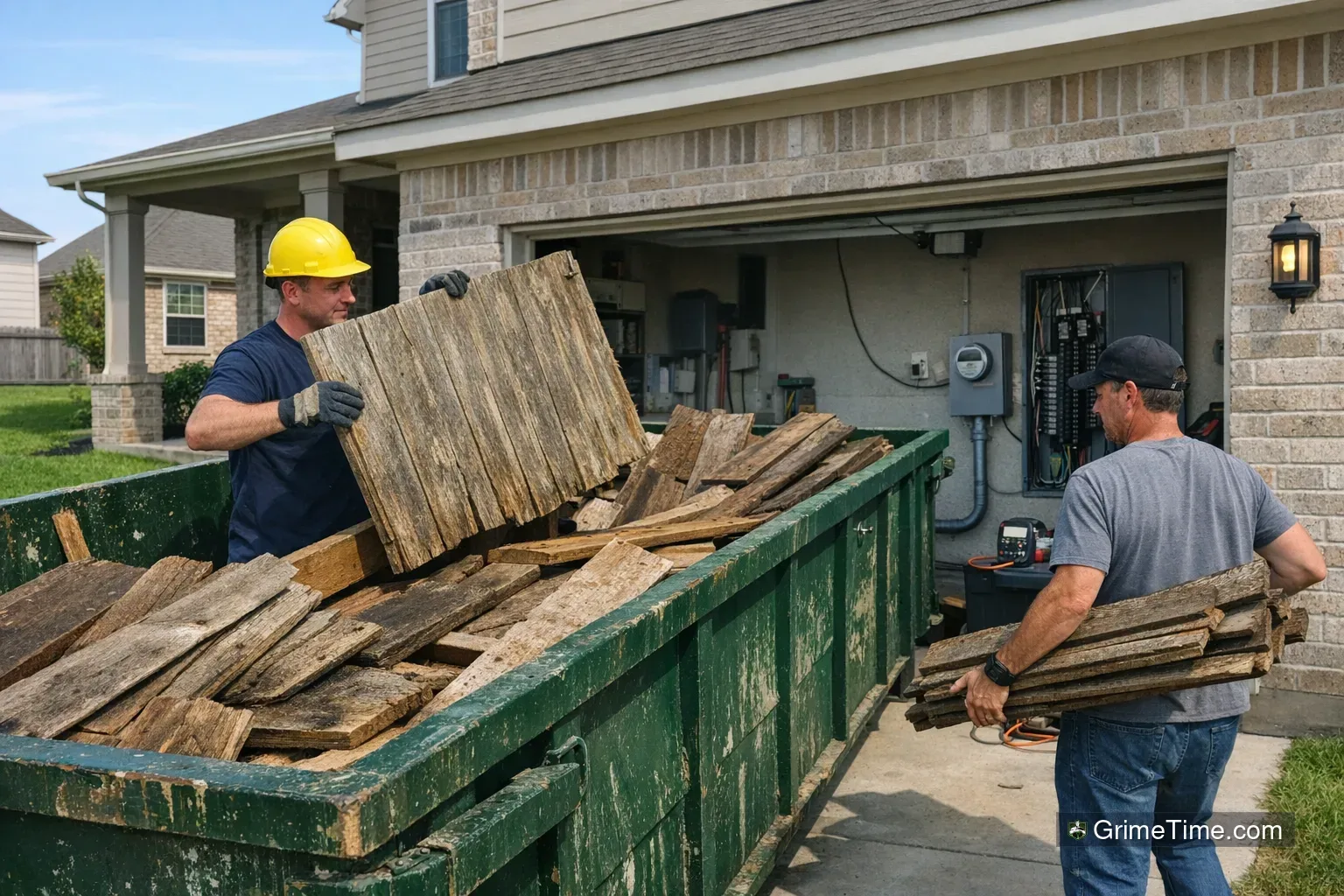
Dumpster Rental Hutto FAQ: Can Fence Panels, Deck Boards, and Lumber Go in the Dumpster?
If you are planning a fence replacement, a small deck tear-out, or a general home cleanout in Hutto, one of the most common questions is simple: can wood go in the dumpster? In many cases, yes. Old fence panels, deck boards, and standard lumber are often allowed in a residential roll-off dumpster. The part that matters is the condition of the wood, what else is mixed into the load, and whether any pieces are treated, heavily painted, stained, or attached to other restricted materials.
This guide explains what homeowners and contractors in Hutto usually need to know before ordering a container. If you are comparing options for Dumpster Rental Hutto, this article will help you avoid ordering the wrong size, overloading a container, or loading wood that needs special handling.
Short Answer: Can Fence Panels, Deck Boards, and Lumber Go in the Dumpster?
Usually, yes. For many residential projects, common wood debris can go into a roll-off dumpster, including broken fence pickets, fence panels, deck boards, framing lumber, and demolition wood from a shed, porch, or backyard structure. That is why a residential dumpster rental Hutto customers use for cleanup projects is often a good fit for fence and deck removal.
But there are a few important limits:
- Wood that is mixed with too much metal, concrete, dirt, or other heavy debris can change how the load is handled.
- Treated wood disposal Hutto projects may require extra review depending on the material and where the load is taken.
- Painted or stained lumber can still be accepted in some cases, but it is smart to ask first instead of assuming.
- Very long boards, bulky assembled sections, or loads with nails and hardware sticking out need to be loaded carefully for safe hauling.
So if your question is can lumber go in a dumpster, the practical answer is yes in many situations, but not every wood load is the same. The safest move is to describe the debris before delivery, especially if you are removing older fencing, pressure-treated deck framing, or mixed demolition material.
What Types of Wood Debris Are Usually Accepted
For a typical roll-off dumpster for home cleanout or exterior demolition project in Hutto, these wood materials are commonly the easiest to place in a dumpster:
Common fence debris
- Cedar fence pickets
- Fence rails
- Fence panels cut down into manageable sections
- Wood gate pieces
- Wood posts with hardware removed when possible
A homeowner searching for fence panel disposal Hutto is usually dealing with weathered sections, warped boards, storm damage, or a full fence replacement. These materials are generally straightforward as long as they are mostly wood and not heavily mixed with other debris.
Common deck removal debris
- Deck boards
- Wood steps
- Railings
- Joists and framing lumber
- Small wood pergola or landing materials
A deck board disposal dumpster is often used when replacing rotted boards, updating an older backyard deck, or tearing out a small attached platform before a remodel.
General lumber and project wood
- 2x4s, 2x6s, and framing lumber
- Plywood and oriented strand board from small demolition jobs
- Trim, shelving, and wood from garage or shed cleanouts
- Crates or non-hazardous wood packaging from a home project
For Hutto-area homeowners, this usually covers most residential wood waste from backyard work, remodeling prep, and property cleanup. In plain language, if the load is mainly dry wood debris from a normal home project, it is often a good candidate for a residential dumpster.
What makes a wood load easier to accept
Wood debris is usually simpler to manage when it is:
- Separated from concrete, brick, and soil
- Cut to fit inside the container walls
- Free of liquid coatings, sealants, or containers
- Not mixed with prohibited household hazardous waste
- Loaded in a way that allows safe transport
This is where clear communication helps. If you know your load will be mostly fencing and lumber, say that when booking. If it is a mixed cleanup with trash, bagged debris, and demolition material together, mention that too.
When Wood Materials May Be Restricted or Need Special Handling
The most important part of what can and cannot go in a dumpster is understanding that wood itself is not the only issue. The condition and treatment of the wood can affect acceptance.
Treated wood
Pressure-treated lumber is common in decks, posts, and outdoor framing. Many older backyard projects in Hutto and the greater Austin area include treated structural wood because it was built for ground contact or weather exposure. That can change disposal handling.
If you are dealing with:
- Deck framing
- Fence posts
- Retaining wall lumber
- Landscape timbers
ask before loading. A provider may still accept the load, but treated wood is one of the main reasons approval matters. The rules can vary based on the disposal facility and the exact mix in the dumpster.

Painted or stained wood
Painted fence boards, coated trim, and stained deck planks can also need review. That does not always mean they are rejected. It means they should not be assumed to be the same as unfinished scrap wood. Older painted materials can raise different handling questions than newer boards with a standard exterior stain.
Wood mixed with metal or attached hardware
Most fence and deck debris has some hardware attached. Nails, screws, hinges, brackets, and gate hardware are normal. The issue becomes bigger when the load includes:
- Large amounts of steel posts
- Chain link sections mixed with wood fencing
- Concrete footings attached to posts
- Bulky metal framing
If possible, separate out metal hardware and especially heavy metal parts. You do not always have to strip every nail, but removing large hinges, latches, metal caps, and post anchors can make the load easier to manage.
Wood mixed with heavy demolition debris
A load of lumber is very different from a load that includes lumber plus masonry, soil, roofing, or broken concrete. The heavier the debris mix, the more important it is to choose the right container and ask about loading limits. A few fence sections are one thing. Fence sections attached to concrete post bases and mixed with chunks of patio material are another.
Wet or rotted wood
Rotted deck boards and waterlogged fence panels are common in residential tear-outs. These materials are often acceptable, but they can weigh more than people expect. That matters when you are selecting dumpster size and deciding how full to load it.
For general disposal guidance in Texas, it can also help to review Texas Commission on Environmental Quality information at tceq.texas.gov and local project or placement considerations on the City of Hutto website. Site and facility rules can affect how mixed or treated wood debris is handled.
How to Load Wood Safely and Avoid Extra Fees
Even when wood debris is accepted, loading it the wrong way can create problems. A safe, efficient load is easier to haul and less likely to cause delays.
Break down bulky sections first
Do not throw full fence panels or long deck sections into the dumpster if they can be broken down safely. Smaller pieces stack better, waste less space, and reduce the chance that boards stick up over the top edge. This matters because loads generally need to stay within the container walls for safe transport.
Cut long lumber when practical
Long boards can bridge across the container and create empty air space underneath. If you cut them into shorter lengths, you can stack them flatter and use the dumpster volume more efficiently. That is one of the easiest ways to avoid needing a second container sooner than expected.
Keep nails and sharp ends under control
Fence and deck tear-outs create a lot of exposed fasteners. Bend over protruding nails when possible, or stack boards nail-side inward to reduce hazards while loading. This is especially helpful when multiple people are using the dumpster over several days.
Separate heavy non-wood debris if needed
If your project includes concrete from post holes, metal posts, bags of dirt, or stone landscaping material, do not assume it should all go in the same container as the wood. Ask first. A mixed load can become heavier and harder to handle much faster than expected.
Do not overfill above the rim
A common mistake with wood disposal dumpster Hutto rentals is assuming light-looking debris can be piled high above the top. Even lighter wood loads still need to be level enough for safe pickup. Boards sticking out over the side can prevent legal and secure transport.
Place the heaviest wood on the bottom
For a stable load:
- Put posts, framing lumber, and wet wood at the bottom
- Lay deck boards and pickets flat in layers
- Fill gaps with smaller wood pieces
- Keep bulky panels from leaning up at odd angles
This simple approach helps maximize space and keeps the load from shifting.

Ask before mixing cleanup trash with demolition wood
If you are cleaning out a yard, shed, or garage at the same time, you may want to mix in packaging, old patio furniture, brush, or general junk. Some mixed project loads are fine, but it is better to confirm ahead of time than to guess. A quick description of your materials can save time and avoid disposal complications.
What Dumpster Size Makes Sense for Fence or Deck Removal
Size selection is where many people make the wrong call. Wood debris can look manageable in a pile, but once broken fencing, deck framing, and awkward boards start going into a roll-off, the container fills fast.
Why fence and deck projects often need more space than expected
Wood demolition creates bulky, irregular debris. Even when the material is not extremely heavy, it does not compact well. That means:
- Fence panels trap air space
- Railings and posts do not stack tightly
- Deck framing takes up more room than surface boards alone
- Mixed hardware and odd lengths reduce loading efficiency
This is why a fence replacement or deck tear-out may require a larger container than the pile seems to suggest at first glance.
Projects that may fit a smaller residential dumpster
- Replacing a short run of backyard fencing
- Removing a few damaged fence panels after a storm
- Tearing out only the surface boards from a small deck
- Disposing of leftover lumber from a minor remodel
If the project is limited and the material is mostly boards rather than full framing or posts, a smaller option may work.
Projects that often need a larger container
- Full perimeter fence replacement
- Deck removal including framing and stairs
- Fence tear-out with concrete footings or mixed debris
- Backyard demolition combined with shed or pergola removal
For these jobs, it helps to compare available sizes before booking. Grime Time Dumpster Rentals can help you talk through the actual debris type instead of guessing based only on square footage.
If you want a broader overview of how container options work, the big trash container guide is a helpful starting point. If budget is part of the decision, you can also review pricing before choosing a size.
Common Hutto Project Scenarios and Best Fit
Here are a few practical examples that match the kinds of residential jobs people often tackle in Hutto.
Scenario 1: Replacing a weathered cedar privacy fence
You are removing old pickets, rails, and a few damaged gates around a backyard. Most of the material is dry wood, with standard nails and screws attached. This is usually a good fit for a residential roll-off dumpster. Break panels down, stack boards flat, and ask if any posts with concrete attached should be separated.
Scenario 2: Small deck board replacement only
You are not demolishing the entire deck. You are replacing surface boards and maybe a handrail section. In this case, a smaller residential dumpster may be enough if the framing stays in place and the load is mostly deck boards. This is a common deck board disposal dumpster use case.
Scenario 3: Full deck tear-out with framing
You are removing the boards, joists, beams, stairs, and railings from an older backyard deck. Some framing may be pressure treated. This is where you should ask for guidance before booking because treated lumber and the overall volume can change the best choice. A larger container is often the safer plan.
Scenario 4: Fence replacement plus garage cleanout
You want to throw away fence debris along with old shelving, boxes, yard clutter, and leftover project material. Mixed loads can work, but they should be described clearly. If the cleanup also includes paint cans, chemicals, or other restricted items, those should not be tossed in casually with the wood debris.
Scenario 5: Rental property cleanup with wood demolition
A property manager or remodeling customer is clearing damaged fencing, small porch lumber, and general outdoor debris between tenants. This is often manageable with a residential dumpster rental Hutto setup, but the mix matters. It helps to list the wood types and any attached materials before delivery is scheduled.
When to Ask Before You Book
Some projects are easy to classify. Others are worth a quick approval call so you do not order the wrong container or load restricted material by accident.

Ask first if the wood is treated, painted, or stained
This is the biggest trigger for extra guidance. If you are unsure whether deck framing or fence posts were pressure treated, say so. It is better to mention it upfront than after the dumpster is full.
Ask first if the load includes concrete, dirt, or masonry
Wood demolition often comes with extras. Fence posts may have concrete attached. Deck removal may uncover pavers, stones, or heavy footings. These materials can change the type of container or the loading rules.
Ask first if you want to mix debris types
If your job includes both lumber and general household cleanup materials, confirm what is acceptable together. A mixed project load is common, but it is still worth checking.
Ask first if the boards are unusually long or bulky
Long lumber, assembled sections, and oversized pieces can affect sizing and loading. A brief description of the longest boards or the number of fence panels can help with a better recommendation.
Ask first if you are close on size
If you are choosing between two dumpster sizes, this is exactly when local guidance helps. Describing the fence length, deck footprint, and whether posts or framing are included can help you avoid renting too small a container.
For more area-specific help, the dumpster rental hutto resources page is a useful place to review service information before you schedule.
Frequently Asked Questions
Can I throw away old fence panels and broken deck boards in a residential dumpster in Hutto?
In many cases, yes. Old fence panels, pickets, rails, and broken deck boards are commonly accepted in a residential roll-off dumpster, especially when the load is mostly wood. Break bulky sections down and mention if posts, concrete, or non-wood materials are part of the tear-out.
Does treated, painted, or stained lumber change what is allowed in the dumpster?
It can. Treated wood, painted boards, and heavily stained lumber may need special approval or handling depending on the disposal facility and what else is in the load. If you suspect the wood is pressure treated or older coated material, ask before loading.
What size dumpster is best for a fence replacement or small deck tear-out?
It depends on how much structure is being removed. A smaller container may work for a short fence section or deck board replacement only. A larger one is often a better fit for a full fence line, a complete deck removal, or any project with posts, framing, and bulky sections. Wood debris takes up a lot of room even when it is not the heaviest material.
Can I mix wood debris with other cleanup materials from the same project?
Sometimes, yes, but it is smart to ask first. A few related project materials may be fine, but mixed loads that include heavy debris, liquids, hazardous items, or too much non-wood waste can create problems. A short material list helps you get a clear answer.
When should I ask for approval before loading demolition lumber?
Ask before you book if the load includes treated wood, painted wood, stained wood, concrete-attached posts, heavy mixed debris, unusually long lumber, or anything you are unsure about. A quick yes-or-no before delivery is much easier than sorting it out after the dumpster is already on site.
Practical Takeaway for Hutto Homeowners and Project Managers
For most basic fence and deck projects, wood debris can go into a residential dumpster. That includes many common loads made up of fence panels, deck boards, lumber, and backyard demolition wood. The details that matter are whether the wood is treated or coated, whether heavy materials are mixed in, and whether the load will fit safely within the container.
If you want to avoid ordering the wrong dumpster for a Hutto project, Grime Time Dumpster Rentals can help you compare container sizes and talk through your specific wood debris load. If your question is as simple as “can this lumber go in the dumpster?” or “do I need a bigger roll-off for this fence tear-out?” call 512-387-5802 for a direct answer before you book.