How to Compare Roll Off Dumpster Rental in Austin Without Getting Surprised by Fees or Delays
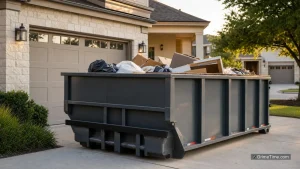
If you are looking for roll off dumpster rental austin options, the hard part is usually not finding a company. It is figuring out which quote actually fits your job, your timeline, and the type of debris you need to remove.
In Austin, that matters more than people expect. A low advertised rate can look good until you learn the rental period is shorter than your project schedule, the included weight is too low for roofing or remodeling debris, or the dumpster cannot be placed where you need it without permit questions. For contractors and homeowners alike, the wrong choice can slow down cleanup, create site-access problems, and add avoidable charges.
This guide breaks down how to compare providers fairly, what to ask before booking, how local Austin placement rules affect your decision, and how to choose the right container size for a cleanout, remodel, or construction job.
Why Comparing Dumpster Rental Companies in Austin Matters
Austin-area projects move fast, and disposal needs are rarely identical from one job to the next. A homeowner clearing out a garage in South Austin has different needs than a contractor managing debris from a renovation in Round Rock or a crew handling construction waste in Buda, Hutto, or Georgetown. That is why comparing quotes based only on the first number you see is a mistake.
When you compare dumpster rental providers in Austin, you are really comparing several things at once:
- How clearly the company explains what is included
- Whether the container size offered matches the debris type
- How much weight is built into the price
- How long you can keep the dumpster
- Whether delivery and pickup timing fit your project schedule
- How helpful the company is about placement, permits, and disposal rules
Those details matter because many Austin-area jobs involve narrow driveways, HOA concerns, older neighborhoods with limited street access, or projects where trades are working in sequence. If the dumpster arrives late, is too small, or has to be removed early, the cleanup plan can fall apart. On a home project, that is frustrating. On a construction job, it can affect labor flow and site organization.
Comparing companies also helps you tell the difference between a true value and a quote that is only cheap at first glance. If you are evaluating cheap dumpster rental austin options, the real question is not just who posts the lowest base rate. The real question is which provider gives you a clear total picture so you can budget accurately.
That is especially important for customers searching pricing pages before they call. If you are planning a residential cleanup, a remodel, or a construction schedule, you want to know what drives cost before the container is on site.
What to Look at Beyond the Advertised Base Price
The base price is only the starting point. A good comparison should look at the full rental structure, not just the front-end number.
Included tonnage
One of the biggest differences between quotes is the amount of weight included. Two containers may be the same physical size but come with different weight allowances. That matters because debris from shingles, tile, drywall, plaster, dirt, concrete, and demo work gets heavy fast.
Ask exactly how much disposal weight is included and what happens if you go over it. If the answer is vague, that is a problem. A quote should make clear whether the included disposal amount fits the kind of material you expect to load.
Rental period length
A low quote may assume a short rental window. That can work for a quick garage cleanout if everything is staged in advance, but it may not fit a bathroom remodel, roof tear-off, estate cleanout, or active construction site.
When you compare providers, ask:
- How many days are included?
- What is the daily or extended-rental charge if the job runs longer?
- How are weekend pickups and schedule changes handled?
Austin-area weather, subcontractor timing, and inspection schedules can shift a project. A quote that looks affordable can become expensive if the rental period is too tight for real job conditions.
Delivery area and trip terms
Not every company serves every Austin-area location the same way. If your project is in Dripping Springs, Elgin, Kyle, San Marcos, Pflugerville, or South Austin, confirm that the quote fully covers delivery and pickup to that location. It is smart to ask whether the service area affects cost, scheduling options, or swap-out timing.
For larger jobs, ask if the company can support multiple hauls or scheduled exchanges. A provider that works well for a one-time residential cleanup may not be the right fit for a contractor who needs ongoing site service.
Pickup flexibility
Some customers need the dumpster removed as soon as the container is full. Others need a little extra time because the project is still active. Good service is not just about delivery. Pickup terms matter too.
Ask whether pickup requires advance notice, whether same-next-day requests are possible when the schedule allows, and whether overfilled containers can delay removal. These are practical questions that affect labor planning and driveway access.
Material restrictions
Not all debris can go in every roll-off container. Common restrictions often involve hazardous materials, certain liquids, batteries, tires, some electronics, refrigerants, and regulated waste. Heavy inert materials may also require specific planning.
A provider should explain what is accepted, what is not, and what needs separate handling. If that part of the quote conversation feels rushed, you may end up paying more later or having to unload prohibited items before pickup.
Clear pricing language
Look for pricing that is explained in plain terms. When reading or hearing a quote, you want to know:

- What dumpster size is being quoted
- How long the rental lasts
- How much weight is included
- What debris type the quote assumes
- What fees might apply if the container is overloaded, overfilled, or kept longer
- Whether special materials need a separate rate or approval
If the company cannot explain that structure clearly, comparison becomes difficult. A trustworthy quote does not need to be complicated, but it should be specific.
Questions to Ask About Weight Limits, Rental Periods, and Extra Fees
When customers say they were surprised by a dumpster bill, the issue is usually not the base rental itself. The issue is that they did not know which conditions would add cost. The easiest way to compare companies fairly is to ask the same practical questions to each one.
Questions about weight limits
- How much weight is included in this rental?
- Is that amount appropriate for household junk, mixed construction debris, roofing, yard waste, or heavy materials?
- What is charged if the load exceeds the included limit?
- Are there materials that require a different container setup because of weight?
This matters because volume and weight are not the same thing. A half-full dumpster of tile or shingles can weigh more than a full container of light household clutter. Homeowners often think about how much space debris takes up. Contractors usually think about both space and weight. A good provider helps with both.
Questions about rental periods
- How many days are included in the quoted rental?
- What is the charge for extra days?
- Can I schedule pickup in advance for a specific phase of the project?
- What happens if weather, labor, or inspections delay the job?
- How much notice is needed for final pickup or a swap-out?
Austin remodels and construction schedules can shift for reasons that have nothing to do with waste removal. If the provider is rigid about timing, your project can absorb the cost.
Questions about extra-fee triggers
- What fees apply if debris is loaded above the top edge of the container?
- What happens if prohibited items are found in the load?
- Are there additional charges for blocked access or failed delivery attempts?
- Does the quote include both delivery and pickup?
- Are there charges for changing the delivery date, moving the container, or requesting a second trip?
These questions help you spot vague pricing before booking. If the answers are rushed, incomplete, or constantly changing, that is a warning sign.
What “cheap” should really mean
People often search for lower-cost dumpster rentals because they are trying to stay on budget, especially for home cleanouts and remodels. That is reasonable. But in practice, the best-value quote is often the one that is easiest to understand and most likely to fit the project correctly the first time.
Cheaper quotes can still be solid if they clearly describe included tonnage, rental period, and pickup terms. They become risky when “cheap” depends on assumptions that do not match the job. For example:
- A short rental that does not cover the full cleanup window
- A low included weight on a heavy debris job
- An unclear service area charge
- No practical guidance on what can and cannot go in the container
If you are comparing an austin roll off dumpster provider for a real project, transparency is part of the value.
How Local Austin Rules, Placement, and Permits Affect Your Choice
In Austin, where the dumpster will sit is not a minor detail. Placement affects whether you need a permit, how easy loading will be, and whether delivery can happen without site problems.
Driveway placement versus street placement
In many cases, customers prefer driveway placement because it simplifies access and may avoid public right-of-way issues. But not every property has enough room, especially in denser neighborhoods or on active commercial and construction sites.
If the dumpster needs to go on a street, alley, or other public space, permit requirements may apply. Rules can vary based on location and exact placement conditions, so it is smart to verify current requirements with the City of Austin right-of-way or permitting guidance before booking. A provider familiar with local service patterns should be able to explain when permit questions are likely to come up.
Why permit guidance matters when comparing providers
Two companies may quote the same container size, but one may be much more useful if they ask the right placement questions upfront:
- Will the dumpster be on private property or in the street?
- Is there enough clearance for delivery and pickup?
- Are there low branches, gates, cars, utility lines, or soft ground concerns?
- Will the placement block traffic, sidewalks, or access points?
A provider that talks through placement early helps you avoid failed deliveries, hurried repositioning, and permit issues. That is especially important in central Austin neighborhoods, older areas with tighter streets, and properties where parking is already limited.
Neighborhood and site-specific considerations
Austin-area jobs are not all the same. Here are a few common examples:
- Residential driveway in South Austin: You may have room for a container, but car access and HOA rules should still be considered.
- Tight urban lot near central Austin: Street placement may seem like the only option, but permit and access questions become more important.
- Construction site in Round Rock or Pflugerville: Space may be easier, but pickup timing and swap-outs may matter more than short-term residential flexibility.
- Property cleanout in Dripping Springs or Elgin: Access roads, soft shoulders, and distance from the core Austin area may affect scheduling and setup planning.
Disposal-rule clarity matters too
Local guidance from Austin Resource Recovery, the City of Austin, and state-level waste handling rules can affect how certain materials should be managed. While standard roll-off dumpsters are useful for many household and construction debris types, prohibited or regulated materials require separate handling.
This is another place where comparing providers helps. A company should be clear about common no-go items and should not leave you guessing about whether paint, chemicals, batteries, appliances with refrigerants, or other special materials can be tossed in with ordinary debris.
When evaluating dumpster service austin options, local rule awareness is part of what makes service practical, not just convenient.
How to Match the Right Roll-Off Dumpster Size to Your Project
Choosing the right dumpster size is one of the biggest factors in whether the rental goes smoothly. Too small, and you may need another haul or end up stacking debris inefficiently. Too large, and you may pay for space you do not need or struggle with placement on a tight property.
The best size depends on three things:
- The volume of debris
- The type and weight of material
- The available space for delivery and loading
For home cleanouts
Residential cleanouts vary widely. A garage purge, attic cleanout, or move-out project can generate more volume than expected because bulky items take up space quickly. Furniture, old boxes, shelving, toys, packaging, broken household items, and general clutter are often light compared with construction debris, but they fill a container fast.

For a cleanout, ask the provider to help estimate based on how many rooms, whether furniture is included, and whether the project involves mostly bagged trash or large loose items. If you are unsure how a larger disposal container compares with ordinary trash service, Grime Time’s article on choosing a big trash container is a useful reference point.
For remodeling projects
Remodels are where size and weight selection really matter. Kitchen, bathroom, flooring, and whole-home renovation debris can be dense. Cabinets, drywall, fixtures, tile, countertops, and lumber all behave differently once they hit the dumpster.
A good quote conversation for a remodel should cover:
- Which room or rooms are being renovated
- Whether demo includes tile, plaster, or heavy materials
- Whether the debris will be loaded all at once or over several days
- Whether driveway space is limited
Homeowners often focus on the visible amount of debris in the room. Experienced rental guidance goes further and considers what those materials will weigh after demo.
For roofing and exterior work
Roofing debris is one of the clearest examples of why included tonnage matters. Shingles and underlayment add up quickly. Exterior projects can also involve siding, wood trim, fencing, and yard debris. These jobs are often fast-moving, so scheduling a container that arrives on time and is picked up at the right phase is just as important as size.
For construction and contractor use
Contractors and project managers typically need more than a one-time drop. They may need a dumpster program that fits active workflow, site access, and debris generation rates. In these cases, ask about:
- Repeat service or swap-outs
- Best container size for mixed construction debris
- Heavy-material limits
- How quickly hauls can be coordinated when a container fills early
Residential dumpster rental austin needs and construction dumpster rental austin needs overlap, but they are not the same. Homeowners usually want help simplifying the process. Contractors often need reliability, predictable terms, and less downtime between loads.
Simple size-selection questions to ask
If you do not know what size to choose, ask these practical questions:
- What kind of debris am I loading?
- Is it mostly bulky and light, or dense and heavy?
- How many rooms, structures, or work phases are involved?
- Will debris be generated over one weekend or over multiple days?
- Do I have enough room for the recommended container?
The best providers do not just assign a size. They ask enough about your project to recommend one that fits both volume and weight.
What Makes a Dumpster Company a Better Fit for Homeowners vs. Contractors
Not every dumpster rental customer judges service by the same standards. Comparing providers gets easier when you know which qualities matter most for your kind of job.
What homeowners usually need
For homeowners, the best fit often includes:
- Clear explanation of what can and cannot go in the dumpster
- Help choosing the right size without overcomplicating the process
- Practical driveway placement guidance
- A rental period that fits weekends or phased cleanups
- Plain-language pricing with no confusion around common fees
Homeowners do not rent dumpsters every week. They usually need a company that explains the process well and flags issues before delivery day.
What contractors and project managers usually need
For contractors, crews, and project managers, the fit often depends on:
- Reliable delivery and pickup scheduling
- Clear service area coverage across Austin and nearby markets
- Predictable terms for swap-outs and extended rentals
- Weight guidance for construction and demolition debris
- Straight answers on overage, prohibited materials, and access requirements
A contractor may care less about a polished sales pitch and more about whether the provider can actually support the pace of the job.
Why local coverage and scheduling reliability matter in Austin
Austin projects rarely happen in one neat zone. A company may be helping with a cleanout in South Austin one day and serving a contractor in Kyle, San Marcos, Hutto, or Georgetown the next. If your project is outside the central core, confirm that the delivery area is normal for the company and not treated like an exception.
Scheduling reliability matters because disposal is tied to labor. If a container is late, crews may stack debris on site. If pickup is delayed, you may lose loading space, parking access, or room for the next phase of work. This is one reason experienced local service is worth comparing carefully.
Red Flags That Can Lead to Delays or Overpaying
Most rental problems can be spotted before you book if you know what to watch for. Here are common red flags.
Vague answers on weight and fees
If a company will not clearly explain included tonnage, overage costs, or common extra-fee triggers, the quote is incomplete. You should not have to guess what happens if your debris is heavier than expected.
No real discussion of debris type
If the provider does not ask whether you are loading household junk, drywall, roofing debris, yard waste, concrete, or mixed construction material, they may not be helping you choose correctly. Material type directly affects size and cost.
Unclear rental period terms
Watch out for quotes that mention a price but not the included number of days. That detail can change the total cost quickly.

No placement questions
A company should ask where the dumpster will go. If nobody asks whether the container will be in a driveway, on a street, or in a constrained area, that can lead to delivery issues or permit confusion later.
Overly broad promises without details
Be cautious of general claims that sound good but do not answer practical questions. For example, saying service is “affordable” or “fast” is not useful unless the quote explains the actual rental setup, coverage area, and debris assumptions.
Pressure to choose too quickly
If you are being rushed to book before understanding the terms, take a step back. A good rental decision should be simple, but it should also be informed.
No explanation of overfill rules
Roll-off containers generally need to be loaded safely and not above the top edge. If this is not discussed, pickup delays or reloading problems can follow.
Poor fit between service style and project type
A company may do fine on short residential jobs but not be set up for recurring contractor hauls. Or they may be strong on commercial work but less helpful in guiding a homeowner through first-time rental questions. Fit matters as much as price.
A Simple Checklist for Choosing the Best Austin Dumpster Rental Company
Before you call for a quote, use this checklist to compare providers on the details that affect total cost and project flow.
Project-fit checklist
- Do they ask what kind of debris I have?
- Do they help match the dumpster size to both volume and material weight?
- Do they explain whether the recommendation is better for a cleanout, remodel, or construction job?
Pricing checklist
- Is the quote clear about rental period length?
- Is included tonnage stated plainly?
- Are potential extra fees explained before booking?
- Do I understand what would trigger overage or extension charges?
Placement and permit checklist
- Have they asked whether the dumpster will go in a driveway or on the street?
- Have they discussed access, clearance, and local placement considerations?
- If street placement may be needed, have they pointed me toward checking current Austin permit requirements?
Scheduling checklist
- Can they serve my location in Austin, South Austin, Buda, Georgetown, Hutto, Dripping Springs, Kyle, Elgin, Pflugerville, San Marcos, or Round Rock?
- Do pickup terms fit my timeline?
- If my project changes, do I know how to request extra time or service adjustments?
Rule-clarity checklist
- Do I know what materials are prohibited?
- Have they explained any special handling issues for heavy or regulated materials?
- Do I know how full the dumpster can be loaded for pickup?
Homeowner vs. contractor checklist
- If I am a homeowner, do they explain the process clearly enough for a first-time rental?
- If I am a contractor, do they sound prepared to support active jobsite scheduling and repeated service needs?
Frequently Asked Questions About Comparing Dumpster Rentals in Austin
What should I compare besides the quoted dumpster rental price in Austin?
Compare the included weight, rental period, pickup terms, service area coverage, debris restrictions, placement guidance, and any extra-fee triggers. The base price alone does not tell you whether the quote fits your project. For many Austin customers, the most important details are whether the rental lasts long enough and whether the included tonnage matches the debris type.
Are cheaper roll-off dumpster rentals in Austin more likely to have hidden fees?
Not automatically. A lower quote can still be a good value if it clearly states what is included. The risk comes when pricing is vague. Hidden-fee problems usually show up when the quote does not explain weight limits, rental duration, pickup conditions, or prohibited materials. Ask direct questions and compare answers in writing when possible.
Do I need a permit for a roll-off dumpster in Austin if it goes on the street?
It may be required depending on where and how the dumpster is placed. If the container will sit in the public right-of-way, check current City of Austin guidance before delivery. If the dumpster stays on private property, permit concerns may be different, but access and property conditions still matter. Because rules can change, it is best to verify current local requirements rather than assume.
What dumpster size is best for a home cleanout, remodel, or construction job?
The best size depends on the amount of debris, the weight of the material, and available placement space. Home cleanouts often involve bulky but lighter debris. Remodels can be heavier because of drywall, tile, cabinets, and fixtures. Construction jobs may need larger or recurring service depending on the pace of debris generation. A reliable provider should ask enough questions to recommend the right size instead of guessing based only on project type.
How far in advance should I book a roll-off dumpster in Austin?
It is smart to book as early as you can once you know your cleanup or construction schedule, especially if your project depends on a specific delivery day. Advance planning matters more during busy project periods, around weekends, and when your site has placement complications or needs coordination with other trades. If your job is in a surrounding market outside central Austin, confirming availability early is even more helpful.
Choose the Austin Dumpster Setup That Actually Fits Your Job
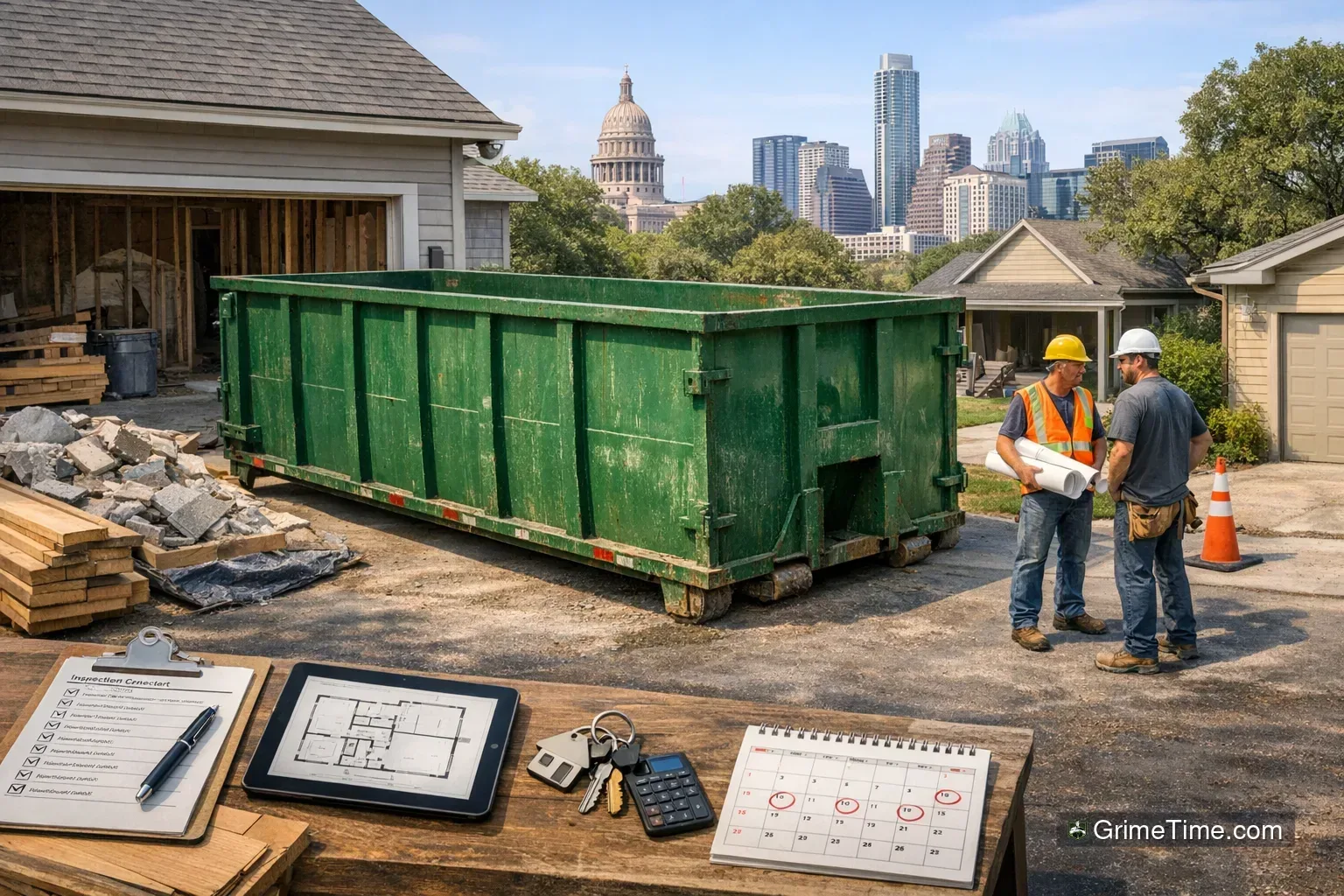
Once you have worked through the comparison points in this guide, the next step is not just collecting one more quote. It is narrowing the job down to the details that change price, timing, and container choice in a real way. For most Austin renters, that means confirming five things before booking: the debris type, the approximate volume, where the dumpster will sit, how long you will need it, and whether the job has any scheduling pressure tied to demolition, cleanout crews, or subcontractors.
If you are still deciding between providers, use that information to compare each roll off dumpster rental austin option on equal terms. Ask each company what tonnage is included, what causes overage charges, how the rental window works, how quickly they can deliver in your part of Austin, and whether they can explain any dumpster service austin placement concerns that could affect your project. That is usually where the real difference shows up between a clear, usable quote and one that only looks cheaper at first glance.
A homeowner planning a garage or whole-home cleanout may need very different guidance than a contractor handling roofing tear-off, framing debris, or a remodel with heavy materials. The right recommendation depends on what is going in the container. Light mixed junk, bulky furniture, remodeling debris, dirt, concrete, and roofing shingles can all affect the best size and the most realistic budget. That is also why comparing a quoted rate without asking about weight can lead to the wrong choice, especially when you are trying to balance convenience with cheap dumpster rental austin options.
For example, if your project is a residential cleanout, the best fit may be based on how many rooms, closets, or bulky items you are clearing rather than the square footage of the house. If your project is a kitchen, bath, flooring, or whole-home renovation, the smarter question is how much material will come out and whether the work will happen all at once or in stages. If you are managing a larger construction site, the conversation usually shifts toward delivery timing, swap-outs, pickup coordination, and keeping the right austin roll off dumpster on site without slowing down the crew.
Placement matters too. A dumpster that fits in a driveway may avoid street-placement issues, while a container that must sit in the road or right-of-way can trigger questions about a dumpster rental permit Austin requirements, traffic clearance, or neighborhood access. If you are unsure about placement, it helps to talk through where the container would go, whether overhead wires or low branches could be a problem, and whether your pickup and delivery window needs to avoid HOA rules, gate access limits, or tight jobsite staging. Those details can save you from delays that do not show up in a headline price.
If you want a more useful next step than another generic estimate, call 512-387-5802 and talk through the project itself. A quick consultation can help match the container size and rental setup to your debris, timeline, and budget before you book. You can explain whether the job is a cleanout, remodel, roofing project, or construction run; whether you are loading light household junk or heavier material; and whether you need a short rental, a longer window, or guidance on where a big trash container can realistically be placed. From there, it is easier to compare providers based on the total setup you actually need rather than guessing from base pricing alone.
That conversation is also the easiest way to sort out common questions Austin renters ask late in the process: what should be compared besides the quoted rate, whether a lower quote is likely to hide extra fees, whether street placement could require a permit, what size makes sense for a cleanout versus a remodel versus a construction job, and how far ahead you should reserve a dumpster if you need a specific delivery day. Instead of piecing those answers together from multiple websites, you can walk through them in one call and get a recommendation tied to your job conditions.
If you already know your project details and want to move faster, have these points ready when you call: your Austin-area address or ZIP code, the kind of debris you are throwing away, an estimate of how much material you have, where the dumpster would be placed, and the delivery date you are targeting. That makes it easier to confirm a realistic size, explain any fee triggers clearly, and make sure the rental period lines up with your actual work schedule instead of an ideal timeline on paper.
Whether you are comparing quotes for a home cleanout, remodel, or commercial job, the most helpful next step is getting a recommendation built around the job itself. Call 512-387-5802 to talk through which Austin roll-off dumpster option fits best so you can choose with clearer pricing, better size guidance, and fewer surprises after delivery.