Dumpster Weight Limits Explained for Roofing and Heavy Debris in Hutto
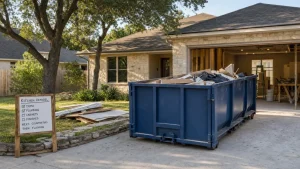
A roll-off dumpster can look only half full and still weigh far more than expected. That is a common issue on Hutto roofing jobs, patio tear-outs, bathroom remodels, yard projects involving sod or soil, and demolition cleanups. Container size matters, but so does the actual weight of what goes inside.
Before booking a dumpster rental Hutto homeowners, contractors, and property managers can use confidently, it helps to separate two ideas: how much space debris takes up and how much it weighs. Planning for both can reduce the chance of a heavier final disposal load, an overage charge, or a container that cannot be hauled safely.
Why a Half-Full Dumpster Can Still Cost More in Hutto
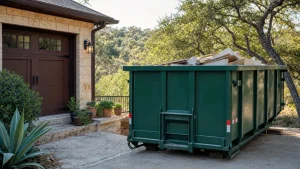
Roll-off dumpsters are measured by volume, which is the amount of physical space available for debris. Disposal facilities, however, also weigh the loaded container. A dumpster may have plenty of open space above the debris line while still containing a dense, heavy load.
For example, a Hutto homeowner removing a small concrete patio may fill only the bottom portion of a roll-off container. Broken concrete occupies less space than old furniture, boxes, wall insulation, or general household clutter, but it adds weight quickly. The same situation can happen with:
- Roofing shingles removed during a reroof
- Brick from a chimney, planter, walkway, or exterior wall
- Ceramic tile, mortar, and backer board from a bathroom renovation
- Dirt, soil, sod, gravel, and landscaping material
- Wet drywall, plaster, wood, carpet, or insulation from water-damaged demolition
- Mixed remodeling debris that includes tile, cabinets, countertops, and flooring
This is why a “not even full” container is not automatically a light container. The final rental total may change when a load exceeds the weight included in the quoted service. A container’s open space and its disposal weight are different measurements, and both affect the right rental plan.
For a closer look at this issue, read why a dumpster quote can change after heavy debris is loaded. The practical takeaway is simple: describe dense materials before delivery, not after the dumpster is already loaded.
How Dumpster Weight Limits and Included Tonnage Work
A dumpster quote generally involves more than the container itself. It may account for delivery, pickup, a rental period, disposal, and an included amount of disposal weight. The exact included weight and any overage terms should always be confirmed on the quote for the specific container and debris type.
When the dumpster is picked up, it is hauled to an appropriate disposal facility and weighed as part of the disposal process. If the load is heavier than the allowance included with the rental, additional disposal charges can apply. That is commonly called a dumpster overage charge.
Volume is not the same as weight
Volume answers the question, “Will all of my debris fit?” Weight answers the question, “Will this load stay within the included disposal allowance and be practical to haul?” A larger container may provide more room, but it does not make concrete, soil, shingles, or brick weigh less.
On the other hand, choosing a container that is too small can create a different problem. Customers may be tempted to pile material above the top rails, which is unsafe and may prevent secure transport. A dumpster should be loaded evenly and remain below the container’s top edge so it can be covered and hauled properly.
What to confirm on a heavy-debris quote
Before scheduling, ask the provider to explain the terms that apply to your project. Useful questions include:
- What disposal weight is included with this rental?
- How are additional weight charges handled if the included allowance is exceeded?
- Is the quoted dumpster appropriate for concrete, dirt, shingles, brick, or tile?
- Should dense materials be loaded alone or limited to part of the container?
- Are there materials that need separate handling or cannot go in the dumpster?
- Will mixed construction debris change the recommended dumpster size or loading plan?
Reviewing these points is more useful than comparing only an advertised starting number. If you are comparing options, see Grime Time’s dumpster rental pricing information and make sure the quote addresses your actual debris, not just the container size.

Heavy Materials That Add Weight Fast
Most cleanouts are volume-heavy: couches, bagged clutter, cardboard, clothing, shelves, and general household items can fill a dumpster quickly without being unusually dense. Heavy debris is different. A relatively small amount can substantially increase the disposal weight.
Roofing shingles and roofing tear-off debris
A roofing debris dumpster rental is often needed because old shingles, underlayment, flashing, nails, and damaged decking create a dense load. Shingles can also hold moisture, particularly after rain or when they have been exposed to weather before removal. A roofing project should be described as roofing debris when requesting a dumpster instead of being listed simply as “construction waste.”
Concrete, brick, block, and masonry
A concrete disposal dumpster is not the same as a general mixed-debris container. Concrete chunks, bricks, pavers, block, mortar, and stone can make a load extremely heavy long before the container looks full. The same applies to a small patio tear-out, driveway edge repair, landscape wall removal, or old walkway demolition.
If concrete or masonry is mixed with household junk, lumber, insulation, cardboard, or furniture, the disposal plan can become more complicated. Explain the approximate share of heavy material so the container choice and load approach can be discussed before delivery.
Dirt, soil, sod, gravel, and landscaping material
A dirt and soil dumpster rental requires extra planning because soil is dense and can be much heavier when wet. Sod often carries attached soil, while landscape projects can also generate rocks, roots, gravel, and clay. A yard cleanup that appears modest by volume can become a heavy disposal load quickly.
Do not assume that a large roll-off should be filled with soil just because the space is available. Ask about the recommended container and loading limit before placing dirt, sod, or gravel inside.
Tile, plaster, countertops, and wet renovation debris
Bathroom and kitchen remodels frequently produce materials that are deceptively heavy. Tile, thinset, mortar, tub surrounds, stone countertops, plaster, and old flooring can all add significant weight. Wet drywall, carpet, wood, and insulation are also heavier than dry materials.
If a water-related cleanup is involved, tell Grime Time that material is wet. This detail can affect the likely weight considerations even if the job is otherwise a typical interior cleanout.
Why Concrete, Dirt, Shingles, and Tile Need Extra Planning
Dense debris does not necessarily mean a project cannot use a roll-off dumpster. It means the load should be planned around safe hauling and the included weight terms. The best approach depends on what material is being removed, whether it is clean or mixed, how much of it there is, and what else needs to be discarded.
Separate heavy and light debris when practical
Separating materials can make a major difference. For example, a landlord preparing a Hutto rental property for turnover may have old furniture, boxes, carpet, broken tile, and a small amount of brick from a landscape feature. Combining everything may be convenient, but it can make weight harder to anticipate.
When possible, consider:

- Keeping concrete, brick, dirt, and tile together in the approved planned portion of the load.
- Using a separate container or separate disposal plan for dense materials and lighter cleanup waste when the project warrants it.
- Keeping yard debris separate from soil, rocks, and demolition rubble.
- Discussing mixed roofing, decking, and demolition debris before loading starts.
Separating debris is not always required, and not every project needs multiple containers. The purpose is to avoid treating dense material as though it behaves like ordinary cleanout waste. A quick conversation before delivery can help identify the most practical approach.
Questions to ask before loading concrete or soil
Before putting concrete, brick, dirt, or soil into a roll-off, get direct answers to these questions:
- Can this material go in the container I ordered?
- Is there a limit on how high or how much dense material should be loaded?
- Can I mix the material with lumber, household debris, or green waste?
- Should I load heavy material across the bottom rather than concentrating it in one spot?
- Do wet conditions change the recommended plan?
- Should materials such as paint, chemicals, batteries, fuels, propane cylinders, or electronics be kept out for separate handling?
Some materials may be prohibited from standard disposal or require special handling. Do not place household chemicals, fuels, batteries, pressurized cylinders, or other potentially hazardous materials in a roll-off unless you have confirmed that they are accepted. For disposal guidance on unusual or potentially hazardous waste, customers can also consult the Texas Commission on Environmental Quality household hazardous waste resources.
How to Choose a Dumpster for Heavy Debris Without Guessing
The right choice starts with a realistic description of the job. A reliable heavy debris dumpster rental Hutto quote should be based on the material type and estimated amount, not just a request for “the biggest one available.”
Describe the debris mix first
When you request service, identify the project and the likely debris. Helpful details include:
- The project type: reroof, garage cleanout, bathroom remodel, patio tear-out, yard overhaul, move-out, or demolition.
- The main heavy materials: shingles, concrete, brick, tile, soil, sod, gravel, or wet debris.
- Whether the dumpster will contain mostly one material or a mixed load.
- Whether large, bulky items such as cabinets, fencing, furniture, or appliances are also going in.
- Whether the material is already piled, still attached to the structure, or being removed in phases.
- Where the dumpster will be placed and whether the driveway or job site offers clear truck access.
Photos can also be useful when available, especially for a patio tear-out pile, a roofing tear-off, or a landscaping excavation. They can help clarify whether the issue is primarily volume, weight, or both.
Plan driveway delivery before the debris arrives
Driveway dumpster delivery can keep the container close to the work area, but the placement area needs to be usable. Move vehicles, trailers, and loose items before delivery. Check for overhead obstructions, access constraints, and a clear route for the truck.
It is also wise to decide where workers will stage debris. Long carries across a yard increase labor and may lead to rushed loading. A location that allows controlled loading from the side or rear can make it easier to distribute heavy materials instead of concentrating them in one area.
For local service choices, review Grime Time’s Hutto dumpster rental options before scheduling delivery.
Look beyond the lowest initial price
When comparing roll-off dumpster pricing Hutto customers should consider what is included, what debris is allowed, the included disposal weight, and how overages are calculated. A low initial number may not tell the full story if the project involves shingles, concrete, soil, or a mixed demolition load.
Read what low dumpster prices may leave out for a practical checklist of quote details worth confirming. The goal is not to assume every project will be overweight; it is to make sure the quote matches the material you actually expect to load.

Loading Tips That Help Avoid Weight and Hauling Problems
Once the correct dumpster and plan are in place, loading method still matters. A safe, balanced container is easier to haul and less likely to create an avoidable pickup issue.
- Load dense debris evenly. Spread concrete, brick, tile, or soil across the bottom as instructed instead of stacking all of it at one end.
- Keep debris below the top rails. Do not pile material above the container edge. Overfilled dumpsters may not be suitable for secure transportation.
- Break down bulky items. Cut down boxes, disassemble cabinets when practical, and place long materials carefully to preserve usable container space.
- Do not bury restricted items. Keep questionable materials out of the dumpster until you confirm the correct handling method.
- Keep the loading area clear. Avoid leaving debris around the container where it can interfere with pickup or become a trip hazard.
- Watch for a changing debris mix. If a cleanout turns into a demolition job, or a contractor discovers additional tile, masonry, or wet material, call before continuing to load.
For contractors, it can help to assign one person to monitor the debris stream. Workers focused on demolition speed may not realize that a container initially intended for wood and drywall is receiving substantial quantities of tile, mortar, or concrete. Addressing that change early is usually easier than finding out at pickup.
Get a Hutto Dumpster Quote Based on Your Actual Debris
Heavy debris charges are often avoidable when the rental is planned around the real material mix. The important step is not simply choosing a larger container. It is identifying whether the project is volume-heavy, weight-heavy, or a combination of both.
Before booking, make a quick list of what will go in the dumpster: roofing shingles, deck lumber, concrete, brick, soil, sod, tile, cabinets, carpet, furniture, or general cleanout debris. Note whether any material is wet, whether the load will be mixed, and whether a patio tear-out or landscaping excavation is part of the work. That information helps Grime Time recommend a practical dumpster size, loading approach, and likely weight considerations.
For a Hutto roll-off delivery tailored to your project, call 512-387-5802 and describe your debris mix before loading begins. Grime Time Dumpster Rentals can help you diagnose the weight-related risks in the plan, confirm the quote terms that matter, and schedule a container suited to the job.
Get a Hutto Dumpster Quote Based on What You’re Actually Throwing Away
Before you schedule a dumpster, take a minute to separate “how much space will this take up?” from “how much will this weigh?” A container that looks half full after a patio tear-out, roof replacement, bathroom remodel, or yard cleanup can still exceed its included disposal weight when it contains dense materials such as concrete, brick, shingles, tile, dirt, sod, or wet demolition debris.
Grime Time can help you diagnose the load before delivery. Describe your project, the materials you expect to remove, and whether heavy debris will be mixed with lighter cleanup waste such as lumber, boxes, furniture, or general household debris. That information makes it easier to recommend a practical container size, discuss whether a separate heavy-debris load makes sense, and set realistic expectations for included weight and possible overage charges.
For the most useful quote, be ready to share:
- The project type, such as roofing, a patio tear-out, a kitchen remodel, a rental turnover, or a garage cleanout
- Approximate quantities of shingles, concrete, brick, dirt, tile, gravel, sod, or other dense materials
- Whether those materials will be loaded separately or mixed with lighter debris
- Whether demolition materials may be wet or waterlogged
- Your preferred delivery area and timing in Hutto
Your quote should clearly distinguish container volume from disposal weight. Confirm the included weight allowance and the applicable dumpster overage terms before the roll-off arrives, particularly when you are planning a concrete disposal dumpster, dirt and soil dumpster rental, or roofing debris dumpster rental. Some materials may be prohibited or require special handling, so mention appliances, paint, chemicals, tires, batteries, and other unusual items when you request pricing rather than adding them to the load without checking.
If you are comparing dumpster rental pricing, make sure you are comparing the included weight and overage structure—not just the container size or advertised starting price. You can also review why a dumpster quote can change after heavy debris is loaded before booking.
Call 512-387-5802 to describe your debris mix and schedule a Hutto roll-off delivery with a plan that fits the job. For container availability and service details, see Grime Time’s Hutto dumpster rental options.