Dumpster Weight Limits in Georgetown: Why Heavy Debris Can Change Your Final Rental Cost
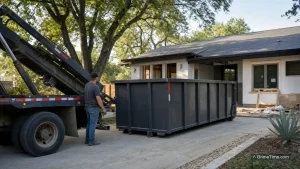
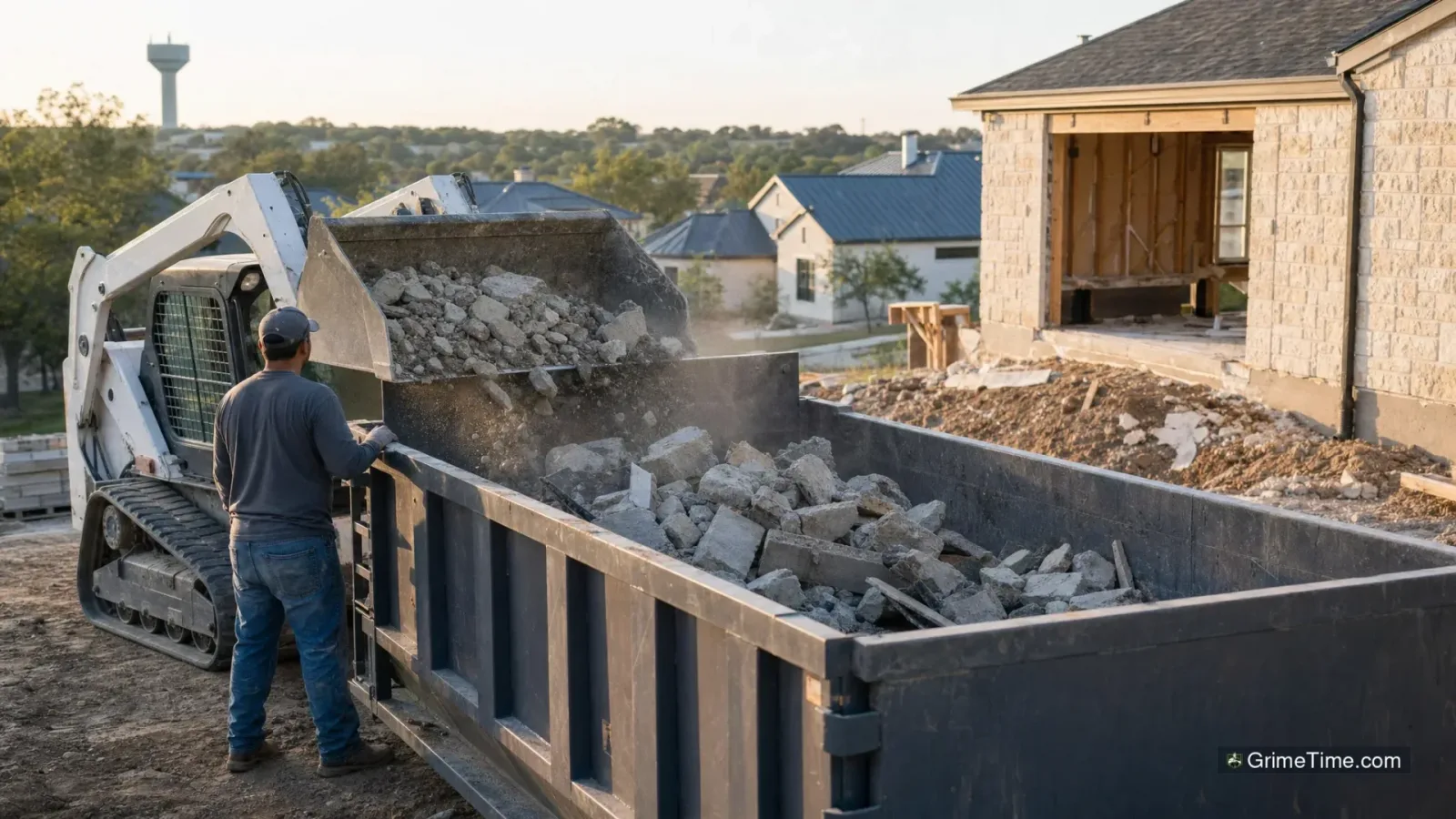
A roll-off dumpster can look only half full and still create a heavy disposal load. That is why a Georgetown dumpster rental quote may change after pickup: container space and disposal weight are separate parts of the rental. Concrete, dirt, brick, roofing shingles, tile, mortar, and wet demolition debris can use up a weight allowance much faster than household clutter, lumber, or cardboard.
For Georgetown homeowners, contractors, remodelers, and project managers, the most reliable way to avoid preventable dumpster overage fees is to identify dense materials before delivery. A practical plan accounts for what the debris is, how much there is, whether it is mixed, and whether moisture may add weight by the time the container is hauled away.
Why a Dumpster Quote Can Change After Heavy Debris Is Loaded
A dumpster quote commonly includes the delivery and pickup of the container, a rental period, disposal processing, and an included disposal weight allowance. The important point is that the included allowance is not based solely on how high debris sits inside the dumpster. It is based on the actual weight of the hauled load.
After a roll-off dumpster leaves a Georgetown driveway, renovation site, roofing job, or commercial project, the load is typically weighed as part of the disposal process. That scale weight is more dependable than a visual estimate because dense debris may be compact, hidden below lighter material, or heavier after exposure to rain.
For example, a container may appear to have plenty of room left after loading a broken patio, but the concrete can still represent a substantial disposal load. The same can happen when a landscaping project adds excavated dirt or rock to a container that originally was intended for fence boards, brush, and general cleanup debris.
A quote may also need to change when the project scope changes after the rental is booked. A bathroom remodel that was expected to produce drywall and cabinets may uncover a thick tile bed, mortar, a cast-iron tub, water-damaged flooring, or a concrete shower base. A roofing project may reveal another layer of shingles or deteriorated decking. These are normal project surprises, but they should be reported before the extra material is loaded whenever possible.
This is not simply a matter of a provider changing the price after the fact. Disposal facilities charge based on the waste that is actually processed, and the final load weight can only be confirmed after haul-off. A clear description of materials at the start gives Grime Time Dumpster Rentals a better opportunity to recommend a container and disposal approach that matches the real job.
For a starting point, you can view dumpster rental pricing. For concrete, dirt, roofing, brick, tile, or other dense debris, current pricing should be paired with a material-specific review rather than a general “construction trash” estimate.
The Difference Between Dumpster Size, Volume, and Weight Allowance
Choosing the right dumpster requires looking at three separate considerations: volume, disposal weight, and safe loading. A successful Georgetown dumpster rental plan accounts for all three.
Dumpster size refers to volume
Container size describes how much physical space is available for debris. Volume matters when you are deciding whether a garage cleanout, kitchen renovation, flooring removal, tenant turnover, or construction phase will fit in one container.
Bulky materials can consume a large amount of space without necessarily creating the same weight risk as masonry debris. Furniture, cardboard, packaging, branches, drywall, cabinets, carpet, and lumber may fill a dumpster quickly. Their volume can drive the container-size decision even when the disposal weight remains more predictable.
Weight allowance refers to what the load weighs at disposal
A roll-off dumpster weight allowance is the amount of disposal weight included under the rental terms. It concerns the actual weight of the load once it is hauled for processing. A container does not need to be full to reach or exceed that allowance.
Concrete, brick, rock, tile, dirt, clay, and asphalt-like roofing materials are dense. They take up relatively little space compared with furniture or household goods, but each pile can add significant weight. Wet debris is another concern. Rain-soaked shingles, damp carpet, saturated drywall, wet soil, and water-damaged wood all carry added moisture that becomes part of the disposal weight.

Safe loading is a separate requirement
A load also needs to be safe for transportation. Materials should stay within the container walls and should not create an unstable, uneven, or unsecured load. A lightweight but overfilled dumpster can be a pickup problem, just as a compact container full of concrete can be a weight problem.
Use the dumpster size calculator to help estimate volume for the project. Then add a second step: disclose all likely heavy materials so the recommendation reflects both the space required and the disposal weight risk.
Heavy Materials That Can Raise Disposal Costs Fast
Not all debris should be discussed in the same broad category. When requesting construction and project dumpster rental in Georgetown, name the dense materials specifically and explain where they are coming from.
Concrete, brick, block, and masonry
Concrete from patios, sidewalks, driveways, curbs, footings, slabs, or retaining-wall work is one of the clearest heavy-debris examples. Brick, block, stone, mortar, and masonry rubble create a similar issue. A pile may not look large, especially after it is broken into manageable pieces, but the disposal weight can add up quickly.
Large quantities of concrete or masonry should not automatically be mixed into a general renovation container. Depending on the amount and local disposal options, a dedicated heavy-debris plan or a separate haul may provide a more predictable approach. The right answer depends on the project, material mix, and current rental terms.
Dirt, clay, sod, gravel, and landscape rock
Dirt is often underestimated because it can be spread across a yard or excavation area before loading. Georgetown projects may involve compacted soil, clay, gravel, landscape rock, removed sod, trench spoil, or material from grading work. Soil that is wet from rain, irrigation, or a recent plumbing issue can weigh considerably more than dry material.
When discussing dirt, provide useful context: Is it from a garden bed, trench, drainage project, pool area, fence-post excavation, or larger grading job? Is it mostly loose soil, or is it mixed with rock, roots, sod, concrete, or construction material? Those details matter when determining whether a standard mixed-debris rental is appropriate.
Roofing debris
Roofing debris includes more than shingles. A tear-off may involve shingles, underlayment, flashing, nails, damaged decking, fascia material, and moisture-affected roofing components. Multiple shingle layers, a large roof area, or wet materials can significantly affect the final disposal weight.
Contractors and property managers should identify whether the job is a repair, partial tear-off, or full replacement. It also helps to mention the number of layers being removed, whether decking is included, and whether debris may be exposed to rain before pickup.
Tile, mortar, plaster, and bathroom demolition debris
Tile removal often produces a deceptively dense load. Ceramic or porcelain tile, thick mortar beds, cement board, plaster, stone countertops, shower bases, and old fixtures can create substantial weight from a relatively small room. A bathroom or kitchen demolition may also include wet drywall, soaked insulation, or water-damaged flooring.
Instead of describing the project as simply “a bathroom remodel,” explain whether tile is being removed from floors, walls, showers, or multiple rooms. Mention mortar, cement board, stone, cast iron, or concrete features when they are part of the work.
Mixed cleanup and demolition loads
Mixed debris containers are useful for many cleanouts and remodeling projects. However, the project description needs to be realistic. A general garage cleanout with boxes, furniture, and shelving is different from a garage cleanout that includes pavers, bags of concrete mix, automotive parts, dense scrap, or heavy workbench materials.

Similarly, a kitchen renovation involving cabinets and flooring is different from one that also includes a tile floor, masonry backsplash, stone counters, or a section of concrete. Small quantities of dense materials can sometimes be manageable, but larger amounts should be disclosed before they are loaded.
What Happens When a Loaded Dumpster Exceeds Its Included Weight
The final disposal weight is generally determined after the loaded dumpster is picked up and processed. Jobsite estimates, photographs, and visual checks are useful planning tools, but they are not the final scale measurement. Heavy materials settle into gaps, lighter debris may conceal what is underneath, and moisture can change the total load weight.
If the actual weight exceeds the amount included in the rental terms, the final invoice may include an overage charge for the additional disposal weight. The applicable amount depends on current terms, disposal costs, and the characteristics of the load. Avoid relying on a fixed overage amount found on another website or in an old online discussion; confirm current Grime Time pricing and terms for the specific rental.
There may also be operational concerns if a container is overfilled, loaded unevenly, or contains materials that were not approved for standard roll-off disposal. Debris above the container walls, unstable loading, or prohibited items can create pickup delays or require a different handling plan. For a homeowner, that can mean a blocked driveway remains occupied longer than expected. For a construction crew, it can affect demolition schedules, site access, and the next trade’s work area.
Standard roll-off dumpsters are not a catch-all disposal method. Do not load hazardous materials, liquids, chemicals, paint, fuel, batteries, or other regulated waste without confirming acceptance first. For special materials, consult applicable guidance from the Texas Commission on Environmental Quality and use the appropriate local disposal channel. Georgetown residents can also review current City of Georgetown resources for local solid-waste information.
How to Plan a Georgetown Dumpster Rental for Concrete, Dirt, Roofing, or Remodel Debris
The best heavy-debris plan starts with the project scope, not just the container size. Whether you are renovating a home, replacing a roof, managing a commercial improvement, clearing a rental property, or coordinating a construction site in Georgetown, follow these steps before scheduling delivery.
1. Make a material list before you book
Walk through the project area and separate likely heavy debris from general waste. A short, specific list is more useful than a broad label such as “demo trash.” Include concrete, brick, dirt, clay, shingles, tile, mortar, lumber, drywall, cabinets, carpet, appliances, furniture, or household contents as applicable.
If the project has not started, use the work plan to estimate the likely debris. A contractor can identify demolition phases; a homeowner can identify the rooms, exterior areas, or landscaping sections involved. This early review is especially valuable when a job may uncover hidden materials.
2. Describe the source and approximate quantity
You do not need an engineering calculation to get a more useful recommendation. Provide practical details such as:
- Whether concrete is coming from a patio, walkway, driveway section, footing, curb, or slab.
- Whether dirt is from landscaping, a trench, drainage work, grading, a pool project, or an excavation area.
- The approximate roof area and whether one or more roofing layers will be removed.
- The rooms being demolished and which materials are being removed from each room.
- Whether tile is limited to a small area or covers floors, walls, showers, or several rooms.
- Whether debris is dry, rain-soaked, water-damaged, mixed with soil, or likely to remain exposed outdoors.
3. Consider separation when heavy debris is a major part of the project
Separating materials can improve predictability. A dedicated load for concrete, dirt, brick, or roofing debris may make more sense than combining a large amount of dense material with general construction waste. This is not a universal requirement, and it is not always the most efficient option. It is a planning decision that should be made based on the type and quantity of debris.
Keeping heavy materials in a separate pile before delivery can make the conversation easier. It also helps the crew follow a recommended loading plan instead of discovering the weight issue after the container is already full.
4. Plan where the dumpster will sit and how it will be loaded
Select a level, accessible placement area with adequate room for delivery and pickup. Consider the path from the work area to the container, especially if crews will be moving heavy concrete, tile, or roofing debris by wheelbarrow or equipment.

Load materials according to the agreed plan and keep the container safely filled within its walls. Do not assume that a larger container is automatically the answer for a dense load. A larger dumpster provides more volume, but it may also make it easier to add more heavy material than the included weight allowance supports.
For local delivery information and service options, review dumpster rental options in Georgetown. You can also explore additional Georgetown dumpster rental resources when planning a residential or commercial project.
Ways to Avoid Surprise Weight Overages Before Pickup
Most avoidable weight surprises begin with an incomplete material description, not with a customer intentionally overloading a dumpster. The following practices make the rental process clearer before pickup day.
- Name heavy materials directly. Say “broken patio concrete,” “wet clay soil,” “two-layer shingle tear-off,” or “bathroom tile and mortar” instead of only saying “junk” or “construction debris.”
- Share the project type and demolition scope. A roof replacement, driveway removal, bathroom renovation, landscaping project, and estate cleanout each create different waste profiles.
- Provide photos or rough measurements when requested. A picture of a concrete pile, an estimated patio size, a roof area, or a description of the excavated area can make the recommendation more accurate.
- Keep heavy and light materials mentally separate. A container may have enough room for furniture and debris, but adding a dense pile of pavers, brick, or tile changes the disposal-weight calculation.
- Account for moisture. Rain can add weight to dirt, carpet, drywall, insulation, roofing debris, and wood. Let the rental team know if the material is wet or likely to be exposed before pickup.
- Ask before adding unexpected debris. If demolition reveals a concrete subfloor, another roof layer, a brick wall, or a larger amount of soil than expected, call before loading it into the dumpster.
- Confirm excluded materials early. Do not wait until the container is onsite to ask about batteries, chemicals, paints, liquids, fuels, electronics, tires, or appliances that may require separate handling.
These steps protect the project schedule as well as the budget. They are particularly important for contractors and project managers coordinating multiple crews, because an unplanned disposal issue can disrupt access, cleanup timing, and the next phase of work.
Frequently Asked Questions About Georgetown Dumpster Weight Limits
Why did my Georgetown dumpster rental quote change after the container was picked up?
The final load weight is typically determined after the dumpster is hauled and processed. If the actual disposal weight exceeded the included allowance, the load contained undisclosed dense debris, or special handling was required, the final amount may differ from the initial quote. A container that appeared only partly full can still be heavy when it contains concrete, dirt, brick, roofing, tile, mortar, or wet debris.
Which materials are most likely to exceed a dumpster’s included weight allowance?
Concrete, dirt, clay, gravel, rock, brick, block, shingles, tile, mortar, plaster, and wet demolition materials are common weight-risk materials. Large quantities of dense scrap, certain appliances, and mixed construction debris may also affect total disposal weight depending on the amount and handling requirements.
Can I put concrete, dirt, brick, and general construction debris in the same dumpster?
Do not assume all materials should be mixed. Small amounts of approved heavy debris may fit within some rental plans, while larger quantities may call for a dedicated container, separate haul, or another disposal approach. Tell Grime Time Dumpster Rentals what materials are involved before booking so the recommendation can reflect the actual project.
Is it better to rent a smaller dumpster for heavy debris than a larger one?
Sometimes a smaller container is practical for a dense, single-material load because it helps limit how much material is loaded at one time. However, smaller is not automatically better. The right choice depends on the material type, quantity, access, loading method, safe hauling requirements, and current rental terms. A pre-rental material review is more reliable than choosing by size alone.
What details should I provide to get an accurate heavy-debris dumpster quote in Georgetown?
Share the project type, Georgetown delivery location, requested timing, and a specific material list. Identify concrete, dirt, brick, roofing, tile, wet debris, or other dense materials. Include approximate quantities, where the material came from, whether it is mixed with general waste, and whether rain or water damage may affect the weight. Photos and rough measurements are helpful when available.
Get a Heavy-Debris Dumpster Quote That Fits the Project
Do not wait until demolition, roofing removal, or excavation is underway to find out that the debris is heavier than the original plan assumed. Before loading a container, get the project reviewed based on the materials that will actually be hauled.
Call Grime Time Dumpster Rentals at 512-387-5802 for a practical pre-rental weight review for your Georgetown project. Share the project type and likely materials, including concrete, dirt, roofing, brick, tile, or other heavy debris. You can then get current pricing and a container recommendation that accounts for volume, disposal weight, and safe loading before the dumpster arrives and before overages become a pickup-day problem.