Dumpster Rental Dripping Springs: Understand Costs Before You Book
For a garage cleanout, kitchen remodel, yard overhaul, move-out, or rental turnover, a roll-off container can keep debris in one place and make cleanup more manageable. The key is choosing a dumpster rental in Dripping Springs based on the actual work—not just the lowest number in a quick quote.
Dumpster rental cost can depend on the container size, rental period, included disposal weight, material being discarded, delivery conditions, and whether the load stays within the agreed terms. Grime Time Dumpster Rentals helps homeowners, landlords, property managers, and contractors sort through those details before delivery so they can select a practical container and understand what is included.
For local service information, visit Dumpster Rental – Dripping Springs, TX. This guide explains what to ask, how to plan your space, and how to request a project-specific quote without relying on a one-size-fits-all price.
What a Dumpster Rental in Dripping Springs Typically Includes
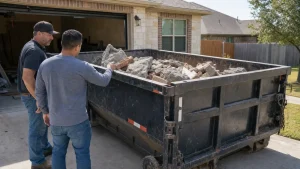
A residential roll-off dumpster rental is generally a temporary container delivered to your home, rental property, or job site for a defined project period. It is commonly used for debris that will not fit in regular curbside collection carts, including unwanted household items, construction debris, wood, brush, flooring, cabinets, and materials from small demolition work.
A clear Dripping Springs dumpster quote should explain the core parts of the rental rather than leaving you to infer what is covered. Before booking, confirm these items:
- Dumpster size: The container capacity selected for the project.
- Rental period: The number of days the dumpster is scheduled to remain on site.
- Included weight: The amount of debris weight included in the rental arrangement.
- Delivery and pickup: The plan for placing the container and collecting it when the project is complete.
- Accepted materials: The debris types that can go into the container under the quoted disposal plan.
- Possible additional charges: Conditions that may affect the final total, such as excess weight, extra rental time, prohibited materials, or a container that cannot be picked up safely.
These details matter because two quotes that appear similar at first can cover different rental periods, disposal allowances, or service conditions. A lower starting price may not be the better value if it does not fit the amount or type of debris your project will produce.
Common Residential Uses for a Roll-Off Dumpster
Homeowners in Dripping Springs use dumpster rentals for projects with many bulky items or a steady volume of debris. Examples include:
- Clearing a crowded garage, shed, attic, or storage room.
- Preparing a house for a move, sale, or estate cleanout.
- Removing old flooring, cabinets, drywall, trim, or fixtures during a remodel.
- Cleaning up after a tenant move-out or preparing a property for a new resident.
- Disposing of fence sections, brush, small landscape debris, and material from a yard refresh.
- Handling debris from a small deck, patio, or interior demolition project.
For a basic home cleanout, the biggest question is usually container volume. For a remodel or demolition job, weight and material mix can matter just as much. Giving the rental provider a realistic description of the work is one of the best ways to receive a useful quote.
The Main Factors That Affect Dumpster Rental Cost
There is no single guaranteed answer to “How much does a dumpster rental cost in Dripping Springs?” because each property and cleanup has different requirements. A straightforward quote starts with the project itself: what is being removed, how much space it will take up, how dense it is, where the container will sit, and how long it will be needed.
1. Container Size
Container size affects the amount of debris that can be loaded. Larger containers offer more room for bulky material, but it is still important to avoid choosing a size based only on volume. A container full of cardboard boxes, furniture, and household clutter will weigh very differently from one loaded with broken tile, soil, concrete, or roofing shingles.
Choosing too small a dumpster can create the need for another haul or a second container. Choosing much larger than needed may not be the most cost-conscious choice for a modest cleanup. The right size should allow for the expected debris while keeping the load manageable and within the included weight allowance.
2. Rental Period
A rental period is the scheduled time between delivery and pickup. A one-day property cleanout, a weekend garage purge, and a renovation that runs over several weeks do not need the same service plan.
When comparing roll-off dumpster pricing, ask how long the container can remain at the property and what happens if the project takes longer than expected. Delays can happen when a remodel schedule changes, a move-out reveals more items than expected, or weather slows outdoor work. Confirming the rental period before delivery helps you plan around the actual pace of the project.
3. Included Disposal Weight
Roll-off dumpsters are hauled and weighed after disposal. The included weight is an important part of a rental quote because disposal costs depend on the load, not just on how full the container looks.
A large container that is only partly full can still be heavy if it contains dense materials. Likewise, a container filled with lightweight household clutter can be close to the top rail without creating the same disposal weight. Ask what amount of weight is included and how overages are handled if the final load exceeds that allowance.
4. Debris Type and Disposal Requirements
The material going into the dumpster affects both planning and disposal. Typical mixed household and renovation debris may be handled differently from a concentrated load of dirt, concrete, brick, asphalt, shingles, or other heavy materials. Some items may require separate handling or may not belong in a standard mixed-debris dumpster at all.
Tell Grime Time Dumpster Rentals whether your project involves furniture, drywall, lumber, flooring, green waste, fencing, landscaping debris, dense masonry material, or other specific items. The more accurate the description, the easier it is to recommend a right-fit container and explain likely weight considerations.

5. Delivery Location and Access Conditions
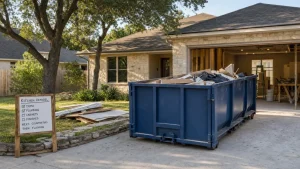
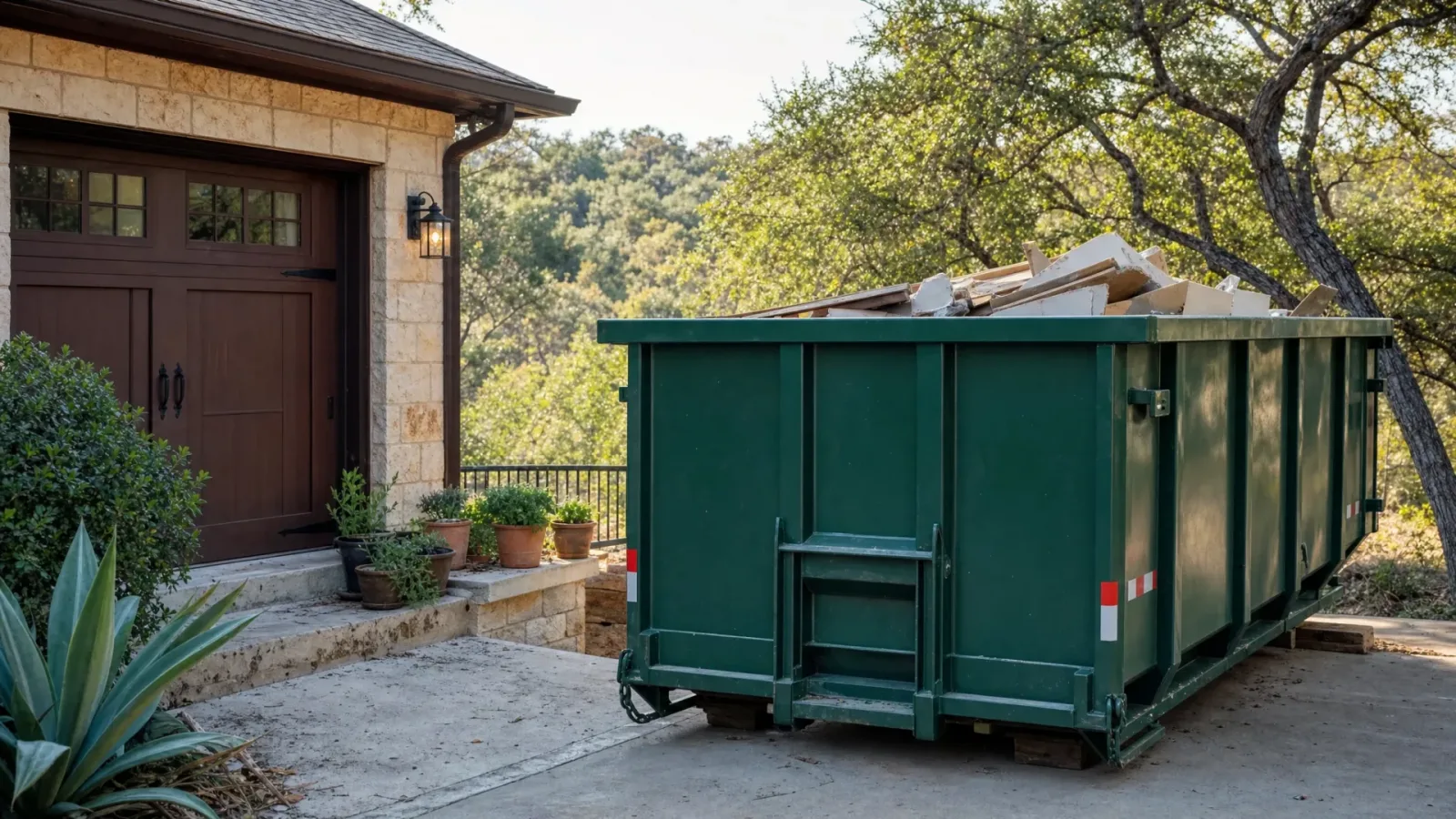
Most residential customers prefer driveway dumpster delivery because it keeps the container close to the work area. However, the delivery surface, gate clearance, overhead obstacles, turning space, parked vehicles, and slope can affect placement options.
A long rural-style driveway, narrow access point, shared drive, uneven surface, or low-hanging branches may require extra planning. These conditions do not automatically prevent delivery, but they should be discussed before the truck is dispatched. Clear access helps avoid an unsuccessful delivery attempt or a placement location that is inconvenient for the project.
Choosing the Right Dumpster Size for a Home Project
Selecting the proper dumpster size is less about finding the “best” container and more about matching the container to the work. Begin with two questions: How much debris will the project create, and what kind of debris will it be?
For a visual starting point, the dumpster size and placement calculator can help you think through container space and property layout. It is still wise to speak with a rental team member if your debris includes heavy material, if access is limited, or if you are uncertain how much will come out once work begins.
Garage, Attic, and Household Cleanouts
A home cleanout dumpster rental is often useful when an owner is clearing years of accumulated belongings. Garages, sheds, storage rooms, and attics can contain a surprising amount of material, but much of it may be relatively light: boxes, old shelving, clothing, toys, small household items, and miscellaneous clutter.
Before selecting a size, make a rough inventory. Identify large items such as mattresses, furniture, shelving, appliances that are accepted under the disposal plan, and bulky outdoor items. Then estimate how many bags, boxes, or loose piles will be added around those items. This makes it easier to avoid underestimating the space required.
For a small garage purge, a compact container may be sufficient. For a whole-home cleanout or an estate-related cleanup, a larger option may make more sense. Do not pile debris above the top of the container. Overfilled loads can create safety and transportation problems and may need to be reworked before pickup.
Small Remodels and Room Updates
A remodel debris dumpster rental is often appropriate for bathroom updates, kitchen refreshes, flooring removal, cabinet replacement, drywall tear-out, and similar work. These projects can generate materials that are bulky, dense, or both.
For example, old cabinets take up substantial space, while tile, mortar, countertops, and drywall can add weight quickly. A project that appears limited to one room can create more debris than expected once packaging, underlayment, trim, old fixtures, and demolition material are included.
Give an accurate project description when requesting a quote. Instead of simply saying “bathroom remodel,” explain whether you are removing tile, a tub, vanity, drywall, flooring, and fixtures. This helps determine whether a smaller container is practical or whether a different approach is needed due to weight.
Yard Projects and Small Demolition Work
Yard work may involve brush, branches, fence boards, old landscaping timbers, sod, dirt, pavers, and small exterior tear-out debris. These materials vary widely in density. Brush and fence boards are often bulky; dirt, rock, concrete, and pavers can become heavy with relatively little volume.
For fence replacement or a light yard cleanup, describe the approximate number of sections, posts, bags, or piles. For hardscape removal or excavation, be specific about soil, concrete, brick, or stone. Heavy loads need a disposal plan that accounts for weight and safe hauling limits rather than simply using the largest container available.
Move-Outs, Turnovers, and Rental Property Cleanup
Landlords and property managers often need a dumpster when a tenant leaves furniture, bags, household goods, damaged materials, or renovation debris behind. A turnover can involve both a cleanout and repair work, so the material mix may change from day to day.
When scheduling a residential dumpster rental in Dripping Springs for a turnover, consider whether maintenance work will continue after the initial cleanout. A container that is picked up immediately after the first purge may not be available for flooring removal, repairs, or final cleanup. Explain the sequence of work and the desired pickup date so the rental period supports the full turnover plan.
How Weight Limits and Debris Types Can Change the Final Price
Understanding dumpster weight limits is one of the most effective ways to avoid surprise charges. A dumpster is not priced solely by its physical size. Disposal facilities weigh incoming loads, and the material’s weight can affect the final rental total when it exceeds the included allowance.
Volume Is Not the Same as Weight
A container of couches, cardboard, light wood, and household clutter may occupy a lot of space without being especially heavy. In contrast, a few cubic yards of wet soil, broken concrete, brick, tile, or roofing shingles can weigh far more than a full-looking load of general household debris.

This is why it is important not to choose a container based only on what “looks like it will fit.” If you are removing heavy material, mention it before booking. The rental team can explain whether the material needs a separate load, a different container size, or a different disposal arrangement.
Materials That Often Need Extra Attention
These materials should always be discussed in advance because they can affect disposal options, hauling safety, or pricing:
- Dirt, clay, sod, and excavation material.
- Concrete, brick, block, stone, and pavers.
- Roofing shingles and other dense tear-off material.
- Large amounts of tile, mortar, or plaster.
- Paint, chemicals, fuels, batteries, propane cylinders, and other potentially regulated items.
- Electronics, appliances, tires, or other items that may have separate disposal rules.
Do not assume that an item can go into a mixed roll-off container because it is part of a household project. If you have hazardous, flammable, pressurized, electronic, or otherwise regulated waste, ask about a separate disposal option. Texas disposal requirements can apply to specific materials, and local public agencies may maintain guidance for household hazardous waste and related handling needs.
Keep Heavy Debris Separate When Possible
Separating material is not always necessary, but it can make a project easier to assess. If your cleanup includes a small amount of concrete alongside general household debris, keep that material in an identifiable pile until you have confirmed the disposal plan. If a remodel includes both light packaging and dense tile, avoid assuming the two materials should be loaded in the same way without discussing weight.
It is also helpful to load evenly. Do not concentrate heavy materials at one end of the container or create an unsafe, uneven load. Keep debris below the top rail, distribute it as reasonably as possible, and follow any loading guidance provided with the rental.
Ask How Overage Conditions Are Calculated
A clear quote should state the included weight and explain what happens if the load exceeds it. You do not need an exact prediction of every pound to plan responsibly, but you should know the terms before the container arrives.
When reviewing dumpster pricing, focus on the total rental structure rather than a headline figure. Ask about the container size, rental period, included weight, acceptable debris, and any condition that could trigger an additional charge. That comparison is more useful than selecting a rental based on a single advertised number.
Delivery, Driveway Access, and Scheduling Considerations in Dripping Springs
Good placement saves time during loading and helps protect access around the home. For many residential projects, driveway dumpster delivery is the most practical option, but the location needs to be ready before the truck arrives.
Check the Driveway Before You Schedule
Walk the intended delivery path and look for issues that could affect a roll-off truck:
- Vehicles, trailers, equipment, or building materials in the driveway.
- Low branches, utility lines, carports, or other overhead obstructions.
- Narrow gates, sharp turns, or tight approach angles.
- Soft ground, steep slopes, or unstable surfaces.
- Blocked access from construction activity, deliveries, or neighbor parking.
- Garage doors, walkways, and parking areas that need to remain usable.
Move vehicles and other obstacles before the delivery window. If you have concerns about a narrow approach, an unpaved drive, a shared access route, or a sloped property, bring them up while requesting the quote. A brief discussion before scheduling is far easier than trying to solve an access issue after the delivery truck arrives.
Consider Surface Protection and Placement Needs
Customers sometimes place boards beneath a container to help protect a driveway surface. Whether that is appropriate can depend on the surface and placement conditions, so ask for delivery guidance if surface protection is a concern. The dumpster should be positioned on a stable, accessible area that allows safe loading and later pickup.
Do not plan to place a dumpster in the street, on a public right-of-way, or in another restricted area without first confirming local requirements. Rules can vary based on the exact location, neighborhood, roadway, and property conditions. Verify applicable placement or permit requirements through the City of Dripping Springs before relying on public-space placement.
Schedule Around Your Work Sequence
How far ahead should you schedule a driveway dumpster delivery in Dripping Springs? The practical answer is: schedule once you know the approximate project date and access plan, and avoid waiting until demolition or cleanout work is already underway if you can help it.
Availability can change, especially around busy moving periods, renovation schedules, and weekends. However, booking far in advance is not the main issue. The important part is giving enough notice to confirm your preferred delivery date, container size, material plan, and driveway access. If your timeline is uncertain, explain that when requesting service so the rental team can help you plan around the project.
For a property turnover, coordinate delivery with tenant access, maintenance crews, cleaners, and any planned repair work. For a home remodel, schedule delivery after major materials and vehicles have been moved out of the intended placement area. For a yard project, make sure landscape equipment and cut material can be staged without blocking the driveway.
How to Compare Dumpster Quotes Without Missing Extra Charges
Comparing quotes is not simply a matter of choosing the smallest upfront number. A useful comparison puts the same project details in front of each provider. If one quote is for mixed household debris and another assumes heavy renovation debris, the prices may not be comparable. If one includes a longer rental period or more disposal weight, it may better match the real job.

Use the following checklist when evaluating a dumpster rental quote in Dripping Springs.
Compare the Same Container Size
Confirm the actual container size being quoted. If one provider recommends a smaller container and another recommends a larger one, ask why. It may be a volume issue, a weight issue, or simply a different understanding of the project. Give each provider the same description of your debris and let them explain the recommendation.
Confirm the Rental Period
Ask how many days are included, what date pickup is expected, and whether additional time can be arranged if needed. A price that looks lower may include fewer rental days than your cleanout or remodel requires.
Ask About Included Weight and Overage Terms
Make sure the quote identifies the included weight and the method used if the load weighs more. This is especially important for tile removal, bathroom demolition, landscaping material, concrete, brick, roofing debris, or packed household contents from a long-term cleanout.
Describe the Debris Honestly
Do not request a general household debris quote if you know that the container will include a large volume of dense material. The best quote is one built around the actual disposal load. It is better to clarify the material upfront than to discover that the container was not intended for the debris loaded into it.
Check for Prohibited or Separately Handled Items
Ask about items you are unsure of before loading. This includes paint, solvents, batteries, chemicals, fuel containers, pressurized tanks, appliances, electronics, tires, and other materials that may have special handling requirements. If something needs a separate disposal route, plan that route before the cleanup day.
Discuss Delivery Conditions, Not Just the Address
A street address does not describe the whole delivery situation. Share driveway width concerns, gate locations, overhead branches, parked vehicles, unpaved access, hills, or space limitations. If the project is on a rental property, let the provider know whether tenants, contractors, or other vehicles will be present.
For more planning guidance, review the site’s dumpster rental Dripping Springs resources. Combining size, debris, weight, and access details gives you a more accurate basis for comparing service options.
Frequently Asked Questions About Dumpster Rental Cost in Dripping Springs
How much does a dumpster rental cost in Dripping Springs for a home cleanout?
The cost of a home cleanout dumpster rental depends on the selected container size, length of rental, included weight, type of household material, and delivery conditions. A small garage cleanout with ordinary household clutter may be planned differently from a whole-home cleanout with furniture, renovation debris, or dense material. Rather than relying on a single guaranteed price, request a quote based on what you are removing and where the container will be placed.
What is included in a Dripping Springs dumpster rental quote?
A clear quote should identify the dumpster size, rental period, delivery and pickup plan, included disposal weight, accepted debris type, and conditions that can result in added charges. Ask specifically about excess weight, extra time, prohibited materials, and access issues. Knowing those details before delivery helps avoid misunderstandings after the project is complete.
Can heavy materials such as dirt, concrete, or roofing shingles cost more to dispose of?
Yes. Dense materials can use up an included weight allowance quickly, even if the dumpster does not look full. Dirt, concrete, brick, pavers, shingles, tile, and similar material may need a different disposal plan or a carefully limited load. Tell Grime Time Dumpster Rentals about heavy debris before booking so the recommended container and quote can account for it.
What dumpster size is best for a garage cleanout or small remodel?
The right size depends on the amount and type of debris. A garage cleanout with boxes and household items is mainly a volume question, while a small remodel may include heavier items such as tile, drywall, cabinetry, or flooring. Make a short list of the biggest items and materials, estimate the number of bags or piles, and share that information when requesting a recommendation. If you are between sizes, ask which option best fits your project and included weight needs.
How far ahead should I schedule driveway dumpster delivery in Dripping Springs?
Schedule as soon as you know your project date, preferred container size, material type, and driveway access plan. This gives you time to confirm availability and resolve placement questions before work begins. If the project date is flexible or approaching quickly, call to discuss available scheduling options rather than assuming a delivery time.
Request a Clear Dripping Springs Dumpster Quote
A well-planned dumpster rental makes a cleanout, renovation, move-out, yard project, or property turnover easier to manage. The practical next step is to request a quote that reflects the real work—not an assumed one-size-fits-all price.
When you contact Grime Time Dumpster Rentals, share your project type, the debris you expect to load, your preferred dumpster size if you have one, driveway access details, and your desired delivery date. Mention any heavy material such as dirt, concrete, brick, tile, or shingles, along with items that may require separate handling. Grime Time can help confirm a right-fit container and explain the included weight before delivery.
To arrange residential dumpster rental help in Dripping Springs, request a dumpster quote or call 512-387-5802. A clear local quote gives you a better way to plan cleanup costs, delivery access, and disposal from the start.