Is a Longer San Marcos Dumpster Rental Worth the Cost for a Remodel?
A longer dumpster rental is often worth the cost when a San Marcos remodel has an uncertain schedule, multiple work phases, limited loading time, or a contractor lineup that could shift. It can be less expensive and less disruptive to keep one roll-off dumpster on site than to rush debris loading, arrange an early pickup, and later need another delivery and haul.
The practical answer depends on more than the number of days. A good San Marcos dumpster rental plan considers the scope of demolition, the materials being removed, the dumpster’s weight allowance, available placement space, and when final cleanup will actually happen. For a simple, tightly scheduled bathroom project, a standard rental window may be enough. For a kitchen remodel, a phased renovation, or a turnover involving repairs in several rooms, extra time can provide useful breathing room.
This guide explains when an extended rental period makes sense, what can affect the total cost, and which questions to settle before scheduling a construction debris dumpster rental.
Short Answer: When a Longer Dumpster Rental Is Worth the Cost
Paying for additional rental days is usually a sensible choice when the dumpster will be actively useful across several days of demolition, installation, cleanup, and punch-list work. The key word is useful. Keeping a container simply because it is convenient may not be the best fit if it will sit full and untouched for days. But keeping it through known project phases can help avoid a second delivery, a rushed haul, or piles of debris accumulating in the driveway or work area.
For San Marcos homeowners, contractors, and property managers, a longer rental period can be particularly helpful in these situations:
- A kitchen remodel is happening in phases, with cabinet removal, flooring removal, countertop work, and final cleanup occurring on different days.
- A contractor is waiting on material deliveries, inspections, specialty trades, or a revised work schedule.
- A homeowner is completing much of the work on weekends or evenings instead of in one continuous block of time.
- A rental unit turnover involves repair work in more than one room, along with old flooring, damaged fixtures, abandoned items, and cleanup debris.
- The project includes demolition now but leaves bulky packaging, trim scraps, old fixtures, or final sweep-out debris for later.
A standard rental period can be enough when the work is contained, the demolition date is firm, the crew will load debris promptly, and the dumpster can be picked up after the last load without interrupting the job. A small bathroom refresh with a defined demolition day is very different from a multi-room remodel where work may pause between trades.
Do not assume that every dumpster quote includes the same number of days or that an extension has a standard rate. Confirm the included rental period, the process for requesting more time, and any dumpster rental extension fees before booking. That keeps rental duration separate from other cost drivers, such as disposal weight or materials that cannot go in the container.
To compare container choices for the area and project type, start with Grime Time’s San Marcos dumpster rental options. The right size and the right rental duration should be decided together, not as separate afterthoughts.
Why Remodel Timelines Often Outlast the Original Plan
Remodel schedules are usually built around the major work: tear-out, installation, and completion. Dumpster needs often extend into the space between those milestones. The container may be most valuable not just on demolition day, but during the cleanup and adjustment work that follows.
Phased Kitchen Work Creates Debris at Different Times
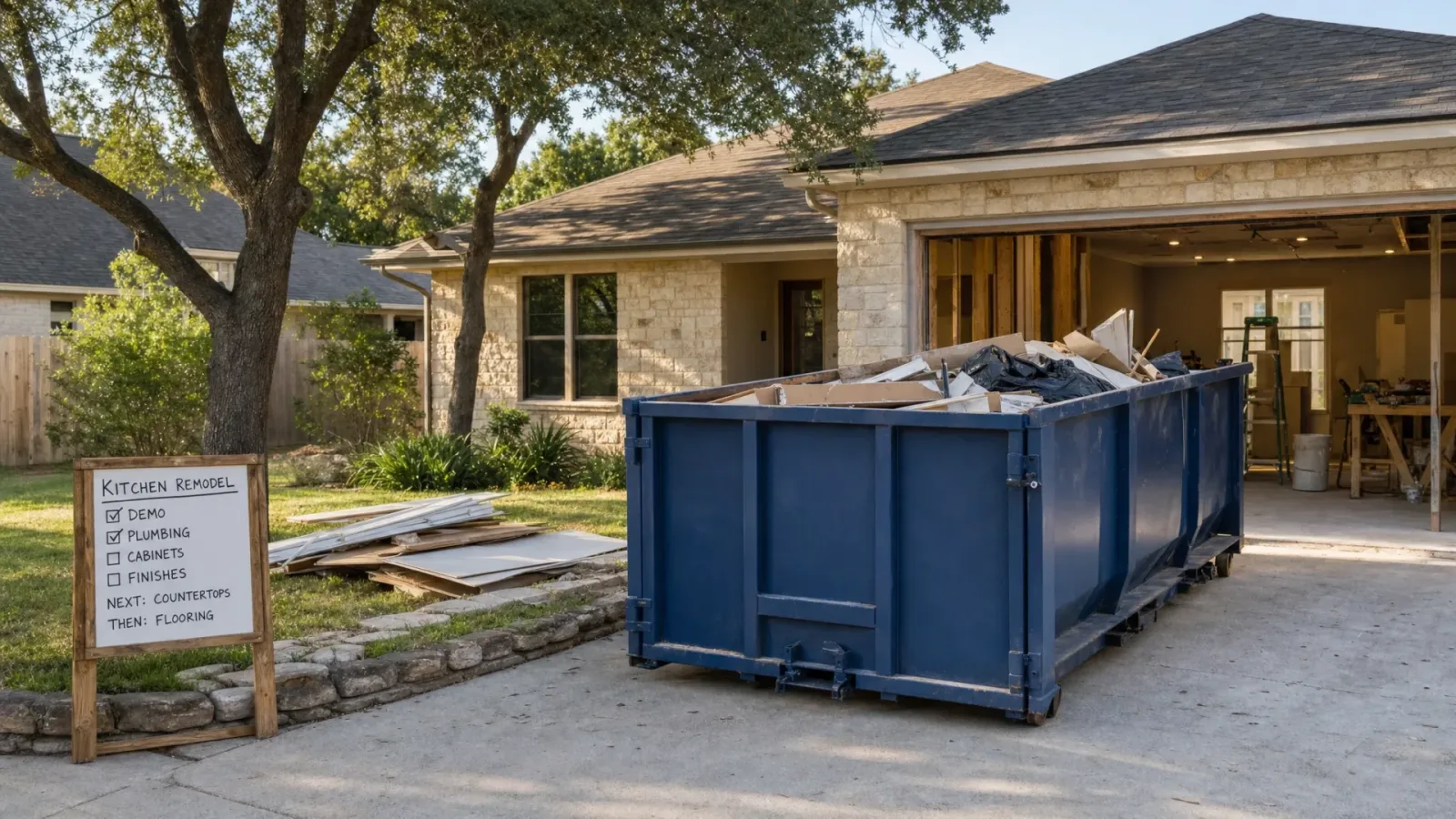
A kitchen project may begin with removing cabinets, old appliances, backsplash materials, flooring, and drywall. That first phase can fill a significant portion of a roll-off dumpster for remodel debris. But the remaining debris may arrive in smaller waves: packing materials from new cabinets, cutoffs from trim work, old countertop sections, protective coverings, and final cleanup waste.
If the original pickup is scheduled immediately after demolition, the project can lose its debris outlet before the later work begins. Extending the rental may be more practical when crews will still generate disposable material over the next several days. On the other hand, if the container is already full after tear-out and more major debris is expected later, a scheduled swap-out may be more efficient than keeping a full dumpster on site.
Contractor Scheduling Can Change the Loading Pace
A dumpster rental is tied to the work schedule, but remodel schedules can change for ordinary reasons. A trade may be delayed, a material shipment may arrive later than expected, weather may affect exterior access, or the work sequence may need adjustment after walls or flooring are opened up. These changes do not automatically mean a longer rental is necessary. They do mean it is wise to avoid planning the rental period so tightly that one shifted day creates a problem.
For contractors and remodelers, the question is often whether the dumpster needs to remain available until the final subcontractor completes their work. For landlords and property managers, it may be whether maintenance staff can finish repairs and clear the unit before the next occupant-related deadline. A little schedule cushion can be worthwhile when it prevents debris from being moved twice or stored where it interferes with access.
Weekend DIY Projects Rarely Follow a Continuous Workday
Weekend-only renovation work often appears simple on paper: rent a dumpster Friday, demolish Saturday, load Sunday, and schedule pickup afterward. In practice, a homeowner may need to sort reusable items, remove fasteners, break down bulky pieces, make supply runs, or stop when a hidden repair issue appears.
If the project has only one clear debris-generating phase, a standard rental window may still fit. If a bathroom, kitchen, garage conversion, or larger area will be tackled across multiple weekends, ask about an extended dumpster rental period in the original quote. Planning for the actual work pace is usually more cost-conscious than assuming every task will finish in one weekend. For a deeper on-site explanation, see San Marcos dumpster rental resources.
Compare the Cost of Extra Rental Days With a Second Dumpster Haul
When deciding whether to extend a rental, compare the whole operating cost of each option rather than focusing only on the number of extra days. An extension can be a good value when the same dumpster has remaining space and will continue to receive debris. A second haul or swap-out can make more sense when the container is near capacity, the next phase will create a different kind of debris, or the project needs an empty container to continue efficiently.
When an Extension May Be the Better Choice
Keeping the same roll-off dumpster longer may be practical when:

- The dumpster is not full and there is still enough room for the expected debris.
- Work will continue in short phases, rather than all at once.
- The crew needs a safe, central place for routine construction scraps and final cleanup material.
- Pickup before the job is complete would create clutter, handling time, or a need to stack debris elsewhere.
- The project schedule has shifted only slightly and the original container remains appropriate.
For example, a kitchen remodel with several days between demolition and finish work may benefit from retaining a partially filled dumpster. There may be room for flooring waste, drywall pieces, packaging, and final construction cleanup without requiring another delivery.
When a Swap-Out or Second Haul May Be More Efficient
A swap-out should be considered when the existing container is full, close to its weight allowance, or blocking the work flow because it can no longer accept debris. Extending a rental does not create more capacity. If major tear-out has already filled the dumpster and a second phase will produce additional material, an empty container may be the more useful next step.
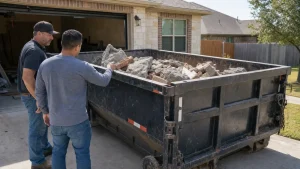
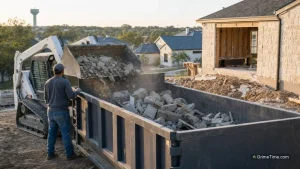
A new or exchanged dumpster can also be worth discussing when material types change. Heavy demolition debris needs special attention because it can reach weight limits before the container looks full. Concrete, brick, tile, soil, stone, and dense roofing or masonry-related material can add weight quickly. Review why heavy debris can change dumpster rental cost before treating visual fullness as the only measure of capacity.
Think of the decision this way:
- Keep the dumpster longer if it has useful capacity and your project will continue producing acceptable debris.
- Arrange a swap-out or additional haul if the dumpster is full, weight is a concern, or the next phase needs an empty container.
- Schedule pickup as planned if the work is complete and there is no reason to pay for unused time.
Keep Rental Duration, Weight, and Material Rules Separate
An accurate quote should distinguish three separate issues:
- Rental duration: How many days are included, and what happens if the dumpster needs to stay longer?
- Weight allowance: What amount of disposal weight is included, and how are loads beyond that allowance handled?
- Allowed materials: Which materials can go in the roll-off dumpster, and which require separate handling or cannot be accepted?
These are not interchangeable. A customer can finish ahead of schedule but still face a weight-related charge if dense materials were loaded. Another customer may stay within the weight allowance but need more time because work was phased. Restricted materials can create a separate issue entirely, even if the dumpster was rented for only a few days.
For a broader discussion of quote details that can be missed when comparing offers, see what low dumpster prices can leave out. The goal is not to assume a low or high number tells the full story; it is to compare what is included and what the job actually requires.
Four Signs Your San Marcos Remodel Needs More Time
No one can predict every schedule change, but certain conditions make a longer rental period more likely to be worthwhile. Consider building extra time into the plan if one or more of these signs applies.
1. Demolition and Rebuilding Are Separated by Several Days
When demolition happens first and rebuilding begins later, debris does not stop at tear-out. Carpentry scraps, removed protective material, appliance boxes, cutoffs, and final sweep-out debris can appear throughout the project. If the dumpster will remain usable after the initial demolition load, keeping it through these phases can reduce handling and keep the work area clearer.
2. More Than One Room Is Being Updated
A single bathroom update may have a relatively predictable debris pattern. A kitchen plus flooring work, multiple bathrooms, or a larger interior refresh usually has more variables. Different rooms may be started and completed at different times, and the container may need to support a longer loading schedule.
Property managers coordinating unit upgrades often face this issue. Old carpet, cabinets, damaged furnishings, drywall, trim, and cleanup waste may not all be ready on the same day. The right rental duration should follow the turnover sequence, not merely the first day workers arrive.
3. The Work Depends on Several People or Deliveries
When a remodel relies on a general contractor, specialty trades, building materials, equipment deliveries, or tenant access, the schedule may have more moving pieces. An extension is not a substitute for planning, but it can provide a buffer when the dumpster is still needed and the project cannot move directly from demolition to final pickup.
Before the rental begins, identify the last likely debris-producing task. That might be flooring removal, cabinet installation cleanup, drywall finishing, exterior access repairs, or the final unit cleanout. The pickup date should be based on that final task, not only on the first demolition day.
4. Loading Will Happen Only During Limited Hours
Homeowners working around jobs, contractors sharing labor between sites, and maintenance teams handling several units may load gradually. If only a few hours are available each day, a short rental can create unnecessary pressure. In that circumstance, the cost of added days may be easier to justify than overtime labor, repeated debris handling, or the disruption of ordering another dumpster later.
How Dumpster Size, Material Weight, and Loading Pace Affect the Decision
Rental length only works when the dumpster itself fits the job. A container that is too small may require an earlier haul no matter how many days remain. A container that is too large can take up more driveway or jobsite space than necessary. The best remodeling dumpster rental decision matches the expected debris volume, material density, and pace of work.
Estimate Volume by the Material Coming Out, Not by Room Name Alone
“Kitchen remodel” can mean a modest cabinet and flooring update, or it can mean removing walls, cabinets, ceiling material, tile, fixtures, and appliances. “Bathroom remodel” can range from replacing a vanity to a full tear-out involving tile, drywall, flooring, and a tub or shower surround.

When requesting a quote, describe what is actually being removed:
- Cabinets, countertops, flooring, drywall, trim, and fixtures
- Tile, mortar, brick, stone, concrete, or other dense material
- Old furniture, fixtures, household contents, or tenant-left items
- Yard waste or small demolition debris from exterior work
- Packaging, lumber cutoffs, insulation, and routine construction waste
That material list helps determine whether the anticipated container size is appropriate and whether keeping it longer will remain useful. It also allows the rental provider to flag materials that may require different handling.
Weight Limits Matter Even When There Is Empty Space
Roll-off dumpsters are measured by volume, but disposal is also affected by weight. Dense materials can make a load heavy long before it reaches the top rail. Tile removal from multiple rooms, masonry debris, concrete chunks, soil, and similar material should be disclosed at the time of booking.
Do not plan to load above the top edge of the dumpster. Overfilled containers can create transportation and safety issues, and material may need to be removed before pickup. Load heavy materials evenly when allowed, keep the load level, and avoid placing all dense debris on one end of the container.
For a project with a substantial amount of heavy debris, ask whether it should be handled separately from general renovation waste. Separating materials may help you select a more workable container plan and avoid treating a heavy load like ordinary mixed debris.
Loading Pace Can Be as Important as Capacity
Two projects can generate the same amount of debris but need different rental periods. A contractor with a full crew may fill a dumpster in one demolition day. A homeowner handling the same work over several weekends may need the container for longer, even if the total volume is smaller.
Consider the realistic loading pace:
- Who will load the dumpster?
- Will debris be carried directly from the work area, or staged first?
- Are there stairs, gates, narrow side yards, or long carry distances?
- Will crews have access to the container each day?
- Will final cleanup create a separate load after main demolition is complete?
The answers can reveal whether a standard rental window is adequate or whether a few additional days may prevent a rushed, inefficient cleanup.
How to Plan Delivery, Placement, and Pickup Around Your Remodel
Delivery and placement planning can reduce unnecessary rental time. The goal is to have the dumpster available before debris begins, positioned so the crew can load it efficiently, and picked up after the final expected load without leaving a container on site longer than needed.
Schedule Delivery Before the First Major Debris Day
For a demolition-heavy project, plan delivery before the crew begins removing materials. A dumpster that arrives after cabinets, flooring, or drywall have already been pulled can leave debris blocking the workspace or occupying the driveway. Provide project dates when requesting availability, but remember that availability and delivery scheduling should be confirmed directly rather than assumed.
It is useful to have the project start date, estimated demolition date, and likely final cleanup date ready when asking for a quote. If the schedule has a known gap between phases, mention it. That is the information needed to compare a standard period with an extended rental period.
Choose a Placement That Supports Safe, Efficient Loading
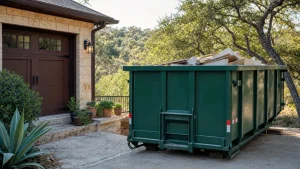
Driveway delivery is often convenient for residential remodels because it keeps the container close to the work area. Before delivery, clear vehicles, equipment, and other obstacles from the proposed spot. Check for low branches, overhead lines, gates, narrow turns, and other access concerns. The truck needs a workable approach as well as enough overhead clearance to place and retrieve the dumpster.
If the driveway is the intended location, consider how workers will reach it from the renovation area. A container placed near the most practical exit can reduce repeated carrying and help keep debris out of walkways.
Street placement can involve different questions. If a dumpster may sit in a street, public right-of-way, or other city-controlled area, verify current San Marcos requirements with the appropriate local authority before delivery. Do not assume a permit is or is not required based on another city, a neighbor’s past project, or an older online post. Property rules, homeowner association requirements, and site-specific restrictions may also apply.
Review Materials Before Loading Starts
Material questions should be resolved before the dumpster arrives, not after the load is built. Some items may be prohibited or may need separate disposal arrangements because of safety, environmental, or facility requirements. Examples can include hazardous liquids, chemicals, certain batteries, paint, fuels, pressurized containers, and other regulated materials.
If the project includes appliances, electronics, large quantities of dirt or masonry, or materials with uncertain disposal rules, ask about them specifically. Texas and local waste guidance can change, and acceptance depends on the material and disposal arrangement. A quick confirmation before loading is easier than sorting a completed container later.

Plan Pickup Around Final Cleanup, Not Just Major Demolition
Set the original pickup plan around the last expected debris day. For many remodels, that is not the same as demolition day. It may be after flooring scraps are removed, cabinets are unpacked, trim is installed, or the unit is cleared for turnover.
If the project finishes ahead of schedule, ask whether earlier pickup can be accommodated. Do not assume a particular pickup-date change procedure or timing; confirm the available options with the rental provider. Early pickup can be useful when the dumpster is no longer needed, access needs to be restored, or the driveway must be cleared for the next project step.
Conversely, if work runs longer, request an extension before the agreed rental period ends whenever possible. Giving notice allows the provider to check the current schedule and explain the available next step.
Questions to Ask Before Booking a Remodeling Dumpster Rental
A clear quote starts with clear project details. These questions can help a homeowner, contractor, or property manager compare rental choices without guessing about extra time or disposal conditions.
Ask About Rental Duration and Extensions
- How many rental days are included in this quote?
- If the remodel runs longer, what is the extension rate or process?
- When should I request additional days if the schedule changes?
- Can the container be picked up earlier if the project finishes ahead of plan?
- Is a pickup request separate from the end of the included rental period?
These questions directly address the cost-versus-convenience decision. The point is not to assume extra time will be needed, but to understand the terms before a schedule change becomes urgent.
Ask About Size, Weight, and Material Fit
- Which dumpster size fits the rooms and materials being removed?
- What weight allowance is included?
- Are tile, concrete, soil, brick, or other dense materials allowed in the planned load?
- What happens if the load is heavier than the included allowance?
- Which materials are prohibited or require separate handling?
Weight is one of the most important factors in San Marcos dumpster rental cost. A dumpster can remain on site for only the included period and still have a higher final disposal cost if heavy debris exceeds the quoted allowance. Explain the material mix honestly so the quote reflects the real project.
Ask About Delivery, Placement, and Access
- Is driveway placement appropriate for the site?
- What clearance does the truck need for delivery and pickup?
- Should vehicles, trailers, or equipment be moved before arrival?
- What should be verified if the container may need to be placed near the street?
- Are there property manager, landlord, or HOA rules to confirm before delivery?
These details matter for a home remodel and for rental property work. A container placed in the wrong area can slow down loading, reduce parking access, or create an avoidable delay when it is time to retrieve the dumpster.
Frequently Asked Questions About San Marcos Remodel Dumpster Rentals
How many days should I rent a dumpster for a kitchen or bathroom remodel in San Marcos?
Rent it for the period covering demolition, expected debris-producing work, and final cleanup—not just the first tear-out day. A bathroom project with a firm schedule may fit a standard rental period. A kitchen project, larger remodel, or phased job may justify more time because debris can continue to build through installation and finishing work. Confirm the included days in the quote and ask what happens if the schedule changes.
Is it cheaper to extend my dumpster rental or order a second dumpster?
It depends on whether the current dumpster still has usable capacity and whether it remains within the appropriate weight and material plan. An extension may be more practical when it is partially filled and the project will continue producing debris. A second haul or swap-out may be more efficient when the container is full, approaching its weight allowance, or needs to be emptied before the next demolition phase. Compare the actual extension terms and haul needs in your quote rather than assuming one option is always cheaper.
What can make the final cost higher even if I do not keep the dumpster longer?
Common factors include disposal weight beyond the included allowance, dense materials that add weight quickly, prohibited items requiring removal or separate handling, an overfilled container, and site or service conditions that were not disclosed when the quote was prepared. Rental duration is only one piece of the total. Give a complete description of the debris, especially tile, brick, concrete, soil, or other heavy material.
Can I schedule pickup early if my remodel finishes ahead of schedule?
Ask Grime Time whether earlier pickup is available for your location and schedule. It can be a useful option when the dumpster is no longer needed and you want to clear the driveway or jobsite. Availability and pickup timing should be confirmed directly; do not assume that every date change can be handled the same way.
Do I need to plan for permits or placement rules when putting a dumpster near the street in San Marcos?
Yes. If the dumpster may be placed in a street, public right-of-way, or another city-controlled area, verify current San Marcos rules before delivery. Requirements can depend on the location and conditions. Also check any homeowner association rules, lease restrictions, property-management policies, or site access limitations that may affect placement. Driveway placement may avoid some right-of-way questions, but the driveway still needs safe truck access and adequate clearance.
Can I put yard waste and small demolition debris in the same dumpster?
Ask before loading. Yard waste, lumber, fencing, drywall, flooring, and small demolition debris may have different handling considerations depending on the material mix and disposal arrangement. Be especially clear about soil, rock, treated wood, chemicals, paint, and other items that may not belong in a mixed debris load. Getting material approval in advance helps avoid a problem at pickup.
Choose the Rental Period That Supports the Actual Work
A longer rental period is not automatically an unnecessary expense, and a short rental is not automatically the best deal. For a San Marcos remodel, the most cost-conscious choice is the one that matches the real work sequence: delivery before debris begins, enough time for phased loading and final cleanup, enough capacity for the material volume, and a clear understanding of weight limits and prohibited items.
If demolition is concentrated and the pickup date is firm, a standard period may be all you need. If the job involves a phased kitchen remodel, changing contractor schedules, a weekend-only DIY timeline, or a multi-room property turnover, additional time may prevent rushed loading and avoid the disruption of arranging another container later.
Need a direct answer for your project? Call 512-387-5802 to compare your expected remodel timeline, debris type, dumpster size, and likely rental period before scheduling delivery. Have your project dates, placement plan, and material details ready, and Grime Time Dumpster Rentals can help you request a quote or schedule the roll-off dumpster option that fits the job.