How to Choose a Dumpster Rental Company in Austin
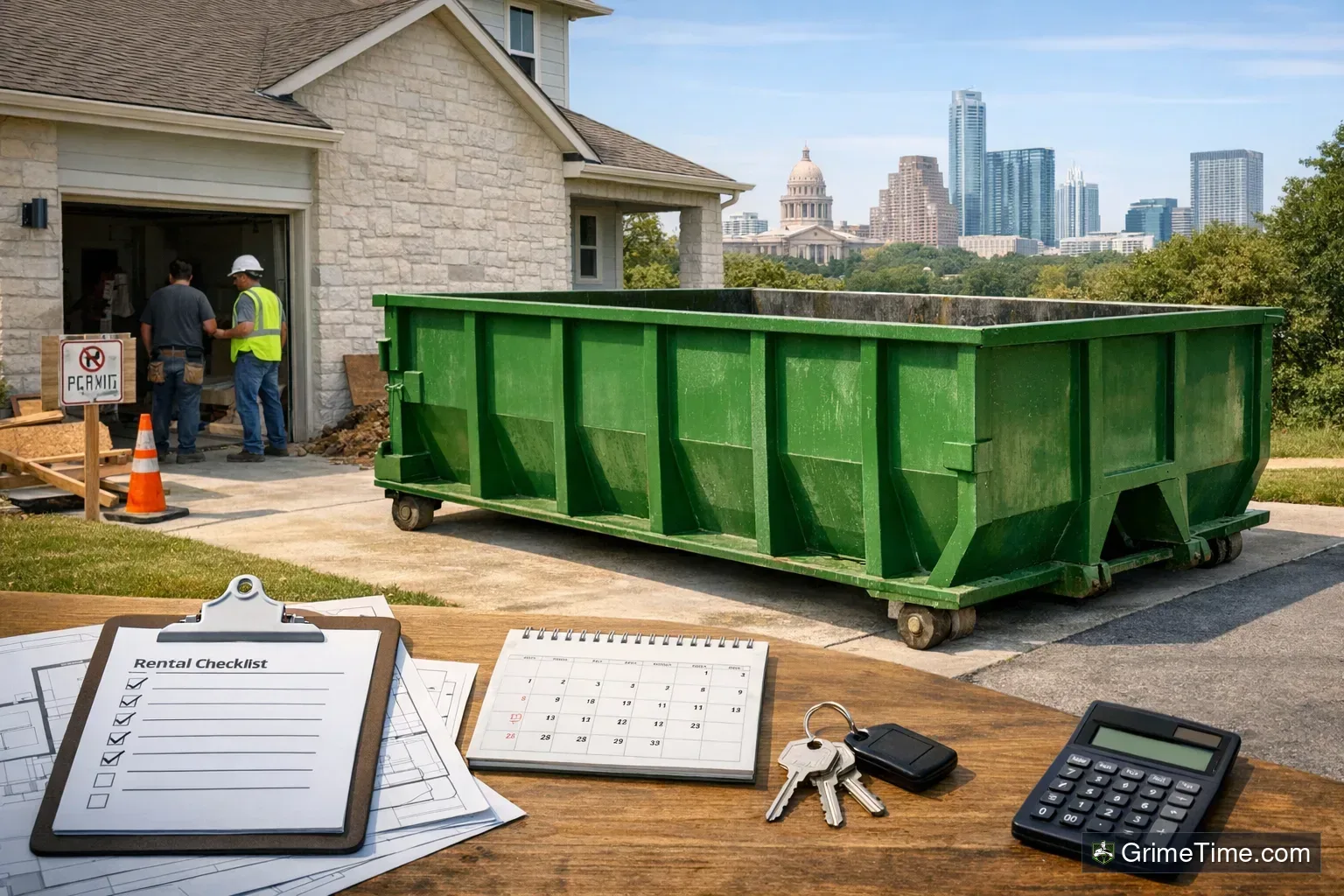
If you are comparing dumpster companies for a cleanup, remodel, roofing job, tenant turnover, or construction project, the best choice usually comes down to a few practical details: the right size, clear pricing, realistic rental terms, delivery reliability, and honest guidance about what can and cannot go in the container. For anyone searching how to choose a dumpster rental company Austin, the goal is not just finding a box to drop debris into. The goal is avoiding delays, surprise charges, placement problems, and disposal issues that can slow down your project.
This guide breaks down the questions to ask a dumpster rental company before you book in Austin, South Austin, Buda, Georgetown, Hutto, Dripping Springs, Kyle, Elgin, Pflugerville, San Marcos, and Round Rock. Whether you are a homeowner clearing out a garage or a contractor managing a jobsite, these are the details that help you rent efficiently and choose a provider that fits the work.
Why Asking the Right Questions Matters Before You Rent
A roll-off dumpster is simple in one sense: it gets delivered, you load debris, and it gets hauled away. But the decisions made before delivery affect cost, timing, safety, and whether the container actually works for the material you need to remove.
That is why questions to ask a dumpster rental company matter. A company might sound similar on the phone, but the useful differences show up when you ask:
- What size fits this exact project?
- What does the quote include?
- How long is the standard rental period?
- What happens if the job runs longer?
- Are there weight limits?
- What materials are restricted?
- Can the dumpster go in the driveway, lot, or street?
- Who helps with permit questions in Austin?
- How is pickup scheduled and confirmed?
For example, a homeowner may think a small container will handle a renovation, only to realize that flooring, drywall, cabinetry, and packaging add up quickly. A contractor may focus on size first but miss rental-term details, then run into extra charges when the project schedule shifts. A property manager may know the volume of debris but overlook placement rules for a downtown or tight-access site.
In the Austin area, local knowledge matters because access conditions vary. Central Austin neighborhoods, newer suburban developments, commercial sites, and rural edge properties all create different delivery and placement considerations. A company that understands local routes, site access, and common placement questions can give better advice before the dumpster arrives.
If you are still early in the process, reviewing options for roll off dumpster rental Austin can help you understand what services are available and what type of container setup your project may need.
What to Ask About Dumpster Size and Project Fit
One of the first ways to choose the right dumpster size is to stop thinking only in terms of square footage and start thinking about material type, loading style, and how quickly debris will accumulate.
Ask: What projects is this size usually used for?
A good dumpster company should be able to connect container size to real project types, such as:
- Garage, attic, or estate cleanouts
- Kitchen or bathroom remodels
- Roofing tear-offs
- Landscaping and yard debris removal
- Whole-home renovation debris
- Commercial buildout waste
- Ongoing construction cleanup
This matters because two jobs that seem similar in size can produce very different waste streams. Old cabinets and drywall load differently than branches and brush. Concrete, dirt, and masonry are much heavier than household junk. Cardboard and packing material take up volume quickly but may not weigh much. A reliable provider should ask what you are throwing away, not just how big the room or project is.
Ask: Is this size appropriate for the weight of my debris?
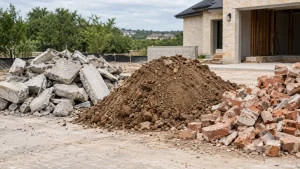
Size and weight are not the same thing. This is where many renters run into trouble. Heavy materials like shingles, tile, concrete, soil, and brick can reach weight limits faster than mixed light debris from a cleanout. If you are comparing construction dumpster rental Austin options, this question is especially important because construction waste often includes dense material.
A company should explain whether your project needs:
- A standard mixed-debris roll-off
- A container better suited for heavier debris
- Multiple hauls instead of one overloaded container
- A different loading plan to stay within terms
Ask: How high can I load the dumpster?
Many customers focus on total capacity but forget hauling safety. Debris generally needs to remain level with the top edge of the container or within the company’s loading rules so the dumpster can be transported safely. Overfilled containers can delay pickup and create avoidable problems. A straightforward company will tell you that loading above the top rail is not just inconvenient; it can affect whether the container can be hauled away as scheduled.
Ask: What if I am between sizes?
This is one of the most useful questions in any dumpster comparison. Some jobs are right on the edge. In those cases, the best answer depends on:
- Available space on site
- How fast debris is generated
- Whether you want one container or swap-outs
- Whether materials are bulky, heavy, or irregular
- How much labor you want to spend breaking items down
For home projects, you may also want to review residential roll-off dumpster rental options if you are dealing with a remodel, move-out, or major decluttering project. For business, retail, office, or jobsite needs, commercial roll-off dumpster rental information can help frame what to ask about volume, access, and scheduling.

What to Ask About Pricing, Rental Periods, and Extra Fees
When people search dumpster rental pricing Austin, they usually want a number. But before you compare quotes, you need to know what each quote actually includes. Low clarity is often a bigger problem than a higher headline price.
Ask: What does the quoted price include?
A transparent quote should clearly explain items such as:
- Delivery
- Pickup
- Standard rental period
- Included weight allowance, if applicable
- Type of debris the quote covers
- Any fuel, environmental, or disposal-related line items if they apply
If a company cannot explain the quote in plain language, that is a warning sign. You should know whether you are comparing a complete rental package or a partial estimate that may change once the dumpster is hauled away and weighed.
Ask: What are the common extra charges?
Not every project ends exactly as planned. That is normal. What matters is whether the company explains the most common additional costs upfront. These may include:
- Exceeding the included weight limit
- Keeping the dumpster longer than the standard rental term
- Restricted or prohibited items placed in the container
- Trip charges if delivery or pickup is blocked
- Relocation requests after placement
This does not mean extra fees are automatically a problem. It means the terms should be understandable before you book. A practical rental company will help you avoid these situations by matching size, rental length, and disposal rules to the actual job.
Ask: How long is the rental period, and what if my schedule changes?
This question matters for both homeowners and contractors. Home projects often run longer because of weather, labor availability, or decision changes. Construction schedules can shift because of inspections, subcontractor timing, and material delays.
Ask whether:
- The rental term is fixed or flexible
- Extensions are available
- Advance notice is needed for extra days
- Swap-outs can be scheduled for active jobsites
- Pickup can be moved if the site is not ready
Austin-area projects often move fast when work is underway, so communication about timing matters as much as the container itself. A company that gives clear pickup and extension instructions is easier to work with than one that leaves scheduling vague.
Ask: How is final cost determined?
This is one of the simplest ways to compare companies. Ask whether the final invoice is based on the original rental agreement, disposal weight, material type, overage conditions, or a combination of those factors. If the explanation feels hard to follow, keep asking until it makes sense.
For a broader local overview of service and container options, visit the Austin dumpster service page.
What to Ask About Prohibited Materials and Local Disposal Rules
Another key part of what can you put in a roll-off dumpster is understanding what cannot go in one. This is where customers can accidentally create delays, contamination issues, and added charges.
Ask: What materials are not allowed in a standard roll-off?
Restricted items vary by landfill, hauler, and waste stream, but standard roll-off dumpsters commonly do not allow certain hazardous, flammable, pressurized, or regulated materials. Examples often include:
- Paints, stains, and solvents
- Chemicals and automotive fluids
- Pesticides and herbicides
- Batteries
- Tires
- Propane tanks and other pressurized containers
- Asbestos-containing materials
- Medical waste
- Certain electronics or appliances, depending on disposal rules
Austin customers should ask this early, especially for garage cleanouts, inherited property cleanups, and remodels of older buildings where unknown materials may turn up. A reliable provider will not just say “no hazardous waste.” They should be able to give examples that help you sort your debris correctly.
Ask: What should I do with items that cannot go in the dumpster?
This is a practical follow-up that many people forget. If your cleanup includes paint cans, old chemicals, or other restricted items, ask where those materials should go instead. For local and regulated disposal questions, Austin 311 guidance, Texas Commission on Environmental Quality information, and EPA household hazardous waste resources can help confirm handling requirements for items that do not belong in standard mixed debris.

Ask: Can clean loads be handled differently from mixed debris?
Some projects generate a fairly consistent material stream, while others produce mixed waste. If you are separating out specific material types, ask whether that affects your rental setup or disposal planning. This can matter for construction crews, roofers, and remodelers trying to manage debris more efficiently.
For a broader explanation of container types, common uses, and disposal basics, the big trash container guide is a useful reference.
What to Ask About Delivery, Placement, and Permits in Austin
Even the right container can become the wrong rental if it cannot be placed safely or legally. In Austin, placement questions are especially important because site conditions vary from narrow urban lots to suburban driveways and active commercial properties.
Ask: Where should the dumpster go?
The best placement spot should balance accessibility, surface protection, and loading convenience. Ask the company whether the dumpster should be placed:
- On a private driveway
- In a jobsite staging area
- On a paved lot or service lane
- On the street, where permitted
You should also ask what clearance is needed for delivery and pickup. Tree branches, low wires, parked vehicles, gates, and soft ground can all affect placement. This is one reason local experience matters. A company familiar with Austin-area property layouts can often identify issues before the truck arrives.
Ask: Do I need a permit to place a dumpster on the street in Austin?
This is one of the most common local questions. In general, if a dumpster will sit on private property such as a driveway, permit requirements are often different than if it will occupy a public street, right-of-way, or other regulated area. Dumpster rental permit Austin requirements can depend on exactly where the container will be placed and what local rules apply to that location.
Because permit and right-of-way rules can change, it is smart to verify current requirements with the City of Austin through Austin 311 or the applicable local department before street placement. A good dumpster company should be able to explain the practical difference between private-property placement and public-right-of-way placement, and tell you when to check city guidance before scheduling delivery.
Ask: What if my site is tight or access is limited?
This question matters in older neighborhoods, alley-access properties, multifamily sites, and busy commercial jobs. Ask whether the driver needs:
- Specific gate width or turning space
- A clear drop zone free of vehicles and materials
- Ground conditions suitable for the truck and container
- Advance notice of slope, fencing, or overhead obstacles
For contractors and project managers, this is also where delivery reliability starts. If the company asks good site questions ahead of time, that usually indicates a stronger process on the back end as well.
Ask: How do delivery and pickup communication work?
Reliable service is not just about showing up eventually. It is about clear communication. Ask:
- Will I receive a delivery window?
- How do I request pickup?
- Can I schedule a haul in advance?
- What if the container fills sooner than expected?
- Who should I call if access conditions change?
This is especially important for active jobsites where a full dumpster can interrupt workflow, and for residential projects where pickup timing affects driveway access and neighborhood coordination.
How to Spot a Reliable Dumpster Rental Company
If you are comparing more than one Austin roll-off dumpster rental provider, reliability usually shows up in the quality of the conversation before the order is placed.
Good companies ask detailed questions
A dependable provider will ask what kind of project you have, what materials are going in the dumpster, where it will be placed, how long you need it, and whether there are site-access issues. If a company gives a quick number without asking anything about the work, that quote may not reflect the real job.
Good companies explain terms clearly
You should not have to guess what the rental includes. Look for a company that explains size guidance, rental length, weight-related terms, loading limits, restricted materials, and pickup process without vague language.

Good companies know the local service area
Serving Austin and nearby communities such as South Austin, Buda, Georgetown, Hutto, Dripping Springs, Kyle, Elgin, Pflugerville, San Marcos, and Round Rock is not just a map issue. Local service area knowledge helps with route planning, site access expectations, neighborhood conditions, and practical scheduling. A provider that regularly works in these markets is more likely to offer advice that fits the realities of the area.
Good companies help you avoid mistakes
One of the strongest signs of a reliable company is that they actively help prevent common problems, including:
- Ordering a dumpster that is too small
- Placing prohibited items in the container
- Choosing a street placement without checking local rules
- Booking the dumpster too early or too late
- Blocking pickup access
That kind of guidance is practical value. It saves time, avoids confusion, and gives you a more accurate rental plan.
Watch for these warning signs
- The quote is unclear about what is included
- No one can explain weight limits or overage terms
- The company is vague about prohibited materials
- There is no clear process for pickup scheduling
- The provider does not ask where the dumpster will go
- You cannot get a direct answer about local placement or permit questions
When to Book and What Your Next Step Should Be
As a general rule, it helps to book once you know three things: the rough start date, the type of debris, and where the container will go. You do not need every detail finalized, but you do need enough information for the rental company to match size, rental length, and disposal rules to the project.
Homeowners often book after setting a remodel start date or planning a cleanout weekend. Contractors and project managers usually do better booking once they know demolition timing, expected debris volume, and whether they may need swap-outs. If you are working in a busy area or need special placement, it is smart to ask about availability as soon as your schedule is taking shape.
The next practical step is simple: gather the details of your job and ask for direct guidance. Be ready to describe:
- Your project type
- The main materials being thrown away
- Whether the debris is light, bulky, or heavy
- How long you expect to need the dumpster
- Whether placement will be on a driveway, lot, or street
- Any access restrictions or scheduling concerns
If you want a straightforward answer instead of guessing between sizes or terms, Grime Time Dumpster Rentals can help match the container, rental length, and disposal rules to your Austin-area project. If you are comparing options for residential dumpster rental Austin or construction dumpster rental Austin, call 512-387-5802 and ask what size makes sense for your debris, what the quote includes, and whether your placement plan raises any permit or access questions.
Frequently Asked Questions
What should I ask a dumpster rental company before booking in Austin?
Ask about the right size for your specific debris, what the quote includes, how long the standard rental period lasts, whether there are weight limits, what items are prohibited, where the dumpster can be placed, and whether street placement may require permit review. Also ask how delivery and pickup scheduling work so you know what to expect during the job.
How do I know what dumpster size is right for my project?
The best size depends on more than the visible pile. You need to consider debris type, density, loading method, and how much waste the project will generate over time. Light household junk, bulky demolition debris, and heavy materials like concrete or roofing all behave differently in a roll-off. A good rental company should ask project-specific questions and recommend a size based on both volume and weight.
Are there extra fees for weight limits, longer rental periods, or restricted items?
They can apply, depending on the rental terms and what goes into the container. Common additional charges may involve weight overages, extra rental days, prohibited materials, blocked pickup, or special handling. The important part is transparency. The company should explain these conditions before you book so you can compare quotes fairly and avoid preventable issues.
Do I need a permit to place a dumpster on the street in Austin?
Possibly. Street or public right-of-way placement may involve city rules or permit requirements, while private-property placement can be handled differently. Because requirements depend on the exact location and current local policy, it is wise to confirm with the City of Austin through Austin 311 or the applicable department if the dumpster will be placed in a public area.
What makes one roll-off dumpster company more reliable than another?
Reliability usually shows up in clear communication and accurate guidance. A strong company will ask detailed questions about your project, explain rental terms plainly, help you avoid prohibited items and placement mistakes, provide realistic delivery and pickup expectations, and understand local Austin-area conditions that affect access and scheduling.
Final Takeaway
Choosing a dumpster rental company is really about choosing a process that fits your project. The right provider should help you choose the right dumpster size, explain pricing and weight terms clearly, walk you through disposal restrictions, and make delivery and pickup easy to plan. In Austin, that local practical guidance matters.
If you want a direct answer about size, rental length, pricing clarity, or placement for your specific job, call Grime Time Dumpster Rentals at 512-387-5802. You can describe the project, ask about availability, and get practical help matching the right roll-off container to your cleanup, remodel, or construction work.