Why Understanding Dumpster Fees Is Critical for Your Project Budget
Dumpster fees can quickly turn a straightforward waste disposal budget into a financial headache. The research shows that many customers end up frustrated by final bills that are $100-$300 more than their initial quote due to hidden charges and add-on fees.
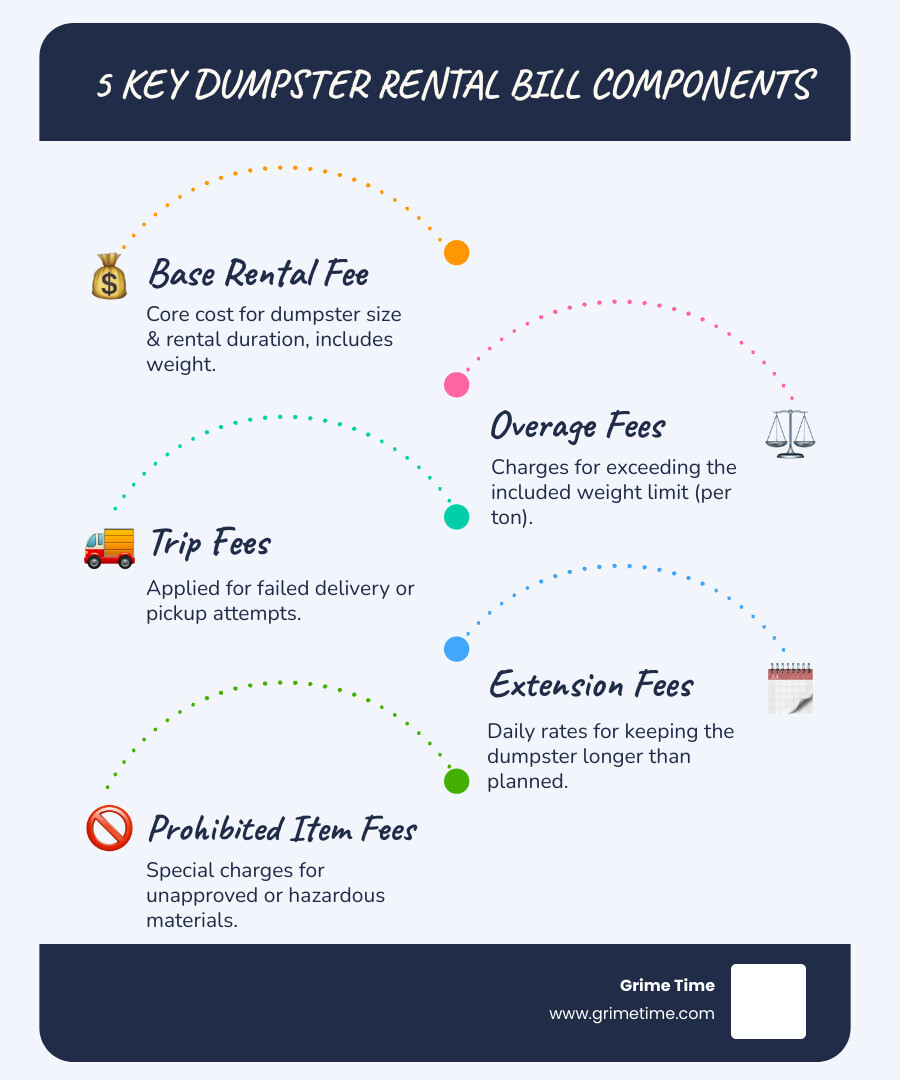
Here are the main types of dumpster fees you’ll encounter:
- Base rental fee – The core cost for the dumpster size and rental period ($250-$1,115 average range)
- Overage fees – Charges for exceeding weight limits ($50-$250 per ton)
- Trip fees – Additional charges for failed deliveries or pickups ($195-$350)
- Extension fees – Daily rates for keeping the dumpster longer ($15-$50 per day)
- Prohibited item fees – Special handling charges ($25-$200 per item)
- Overloading fees – Penalties for filling above the rim (trip fee + new container cost)
The complexity comes from how these fees stack up. Unlike a simple equipment rental, dumpster pricing involves multiple variables: your location’s landfill rates, the weight of your debris, seasonal demand, and distance to disposal sites.
The biggest cost driver? Landfill disposal rates, which can range from as low as $2 per ton in Illinois to $79 per ton at major facilities. These “tipping fees” directly impact your final bill, especially if you’re dealing with heavy materials like concrete or dirt.
For busy contractors managing multiple projects, understanding these fees upfront means the difference between staying on budget and dealing with surprise charges that eat into profit margins. The key is knowing what questions to ask and what pricing model works best for your needs.
Common dumpster fees vocab:
Understanding Your Initial Quote: Flat-Rate vs. Variable-Rate Pricing
When you’re shopping around for a dumpster rental, you’ll quickly find that not all pricing is created equal. The two main pricing models you’ll encounter are flat-rate and variable-rate pricing, and understanding the difference can save you from budget headaches down the road.
Flat-rate pricing is like ordering a combo meal – you pay one price upfront and everything’s included. Your dumpster fees are bundled into a single, predictable cost that covers delivery, pickup, disposal fees up to a specific weight limit, and your rental period. No surprises, no mystery charges showing up later.
Variable-rate pricing, on the other hand, starts with a base rental fee and then adds separate charges as you go. Think of it like ordering à la carte – the final bill depends on what you actually use. While this might sound fair, it means you won’t know your total cost until after your dumpster is picked up and weighed at the landfill.
Here’s how these two approaches stack up:
| Feature | Flat-Rate Pricing | Variable-Rate Pricing |
|---|---|---|
| Predictability | High – fixed upfront cost | Low – final cost can fluctuate |
| Transparency | High – all-inclusive quote | Lower – separate charges can add up |
| Included Costs | Delivery, pickup, weight limit, rental period | Base rental, then separate charges for weight, fuel, etc. |
| Budgeting | Easier to plan and stick to a budget | Harder to budget precisely |
At Grime Time, we believe in keeping things simple and transparent. That’s why we focus on flat-rate pricing that lets you budget with confidence. You can explore our current rates at Dumpster Rental Prices.
What’s Typically Included in a Flat Rate?
When you get a flat-rate quote from us, you’re getting the full package deal. No nickel-and-diming, no hidden surprises waiting in your mailbox later.
Your flat rate covers the delivery cost of bringing the dumpster right to your project site, whether that’s your driveway, construction site, or wherever you need it. The pickup cost is included too – we’ll haul that filled container away when you’re done, no additional charge.
The landfill disposal fees are bundled in as well, up to your specified weight limit. This is often the biggest chunk of your total cost, since landfills charge by the ton to accept your waste. You’ll also get a specific weight limit that’s generous enough for your project type, and an agreed-upon rental duration that gives you plenty of time to get your work done.
We’re not fans of surprise charges, so everything you need for a standard rental is right there in your upfront price. No mystery fees, no “gotcha” moments when the final bill arrives.
How Location and Availability Affect Your Base Price
Your dumpster’s base price isn’t just about the container size – where you are and when you need it plays a bigger role than you might expect.
Regional disposal costs vary dramatically across the country. While some areas enjoy landfill fees as low as $2 per ton, others face rates up to $79 per ton. These local tipping fees directly impact your dumpster fees since we have to pay them on your behalf.
Fuel prices affect our delivery costs too. When diesel prices spike, it costs more to get that dumpster to your door and haul your waste to the landfill. The proximity to landfills matters as well – the shorter the drive, the better we can keep your costs down.
Peak season demand during spring and summer can tighten availability as everyone tackles their home renovation and cleanup projects. Like trying to book a hotel room during a popular festival, high demand periods can push prices up and make scheduling more challenging.
Serving Austin and Central Texas gives us local expertise in navigating these regional factors. We know the area’s disposal facilities, fuel costs, and seasonal patterns, which helps us provide competitive pricing year-round. For location-specific pricing, check out our Cost of Roll-Off Dumpster Austin page.
Key Factors That Shape Your Dumpster Rental Cost
Beyond the basic pricing model, several critical factors will influence the final cost of your dumpster rental. Understanding these elements will help you make informed decisions and ensure your project stays on budget.
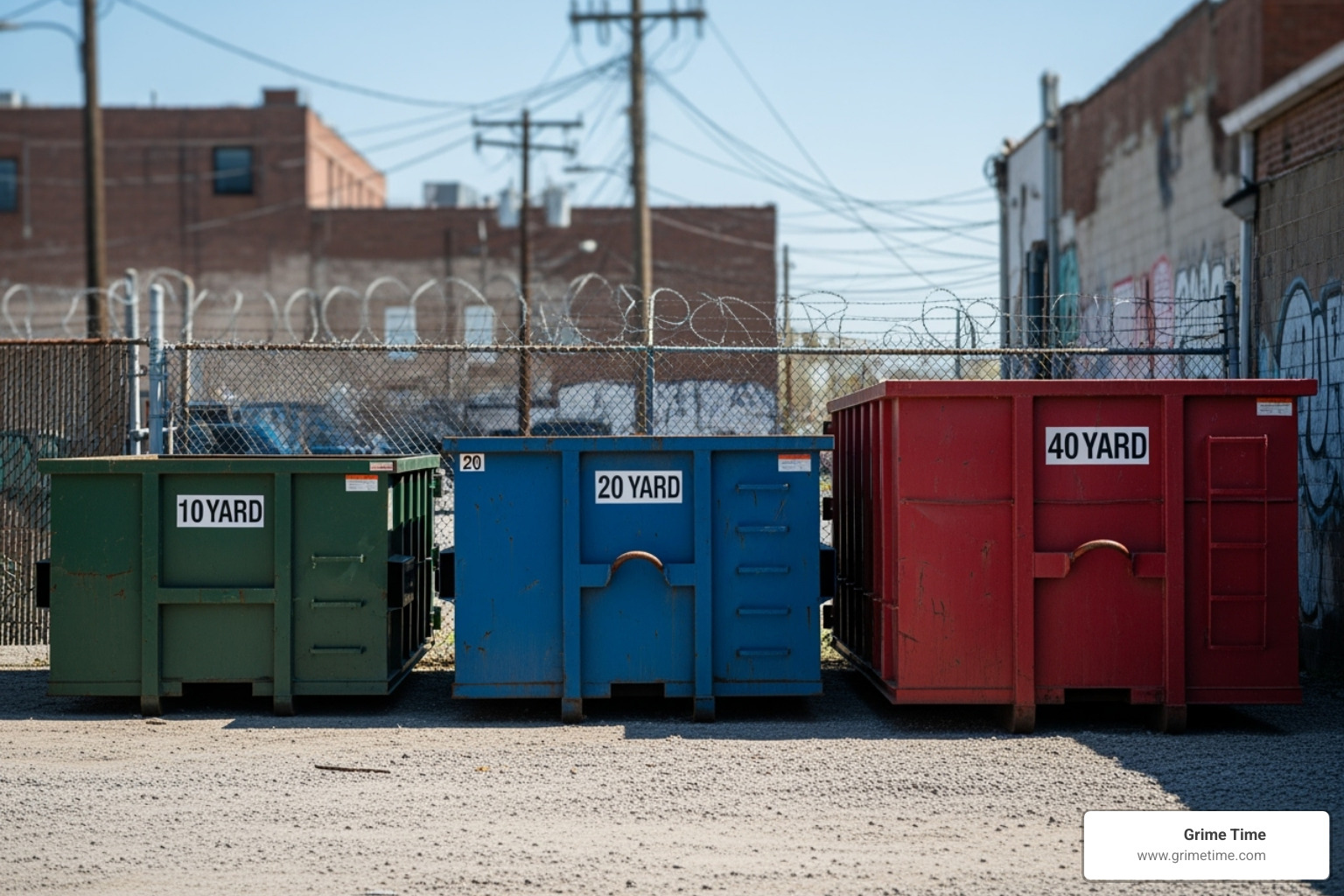
The average cost of a dumpster rental nationwide is $596, but this figure is highly variable. Think of it like ordering pizza – the size matters, but so does what you put on top! A 10-yard roll-off dumpster averages $470, while a 40-yard can jump to $774. This difference often comes down to the sheer volume and weight of materials that each can handle.
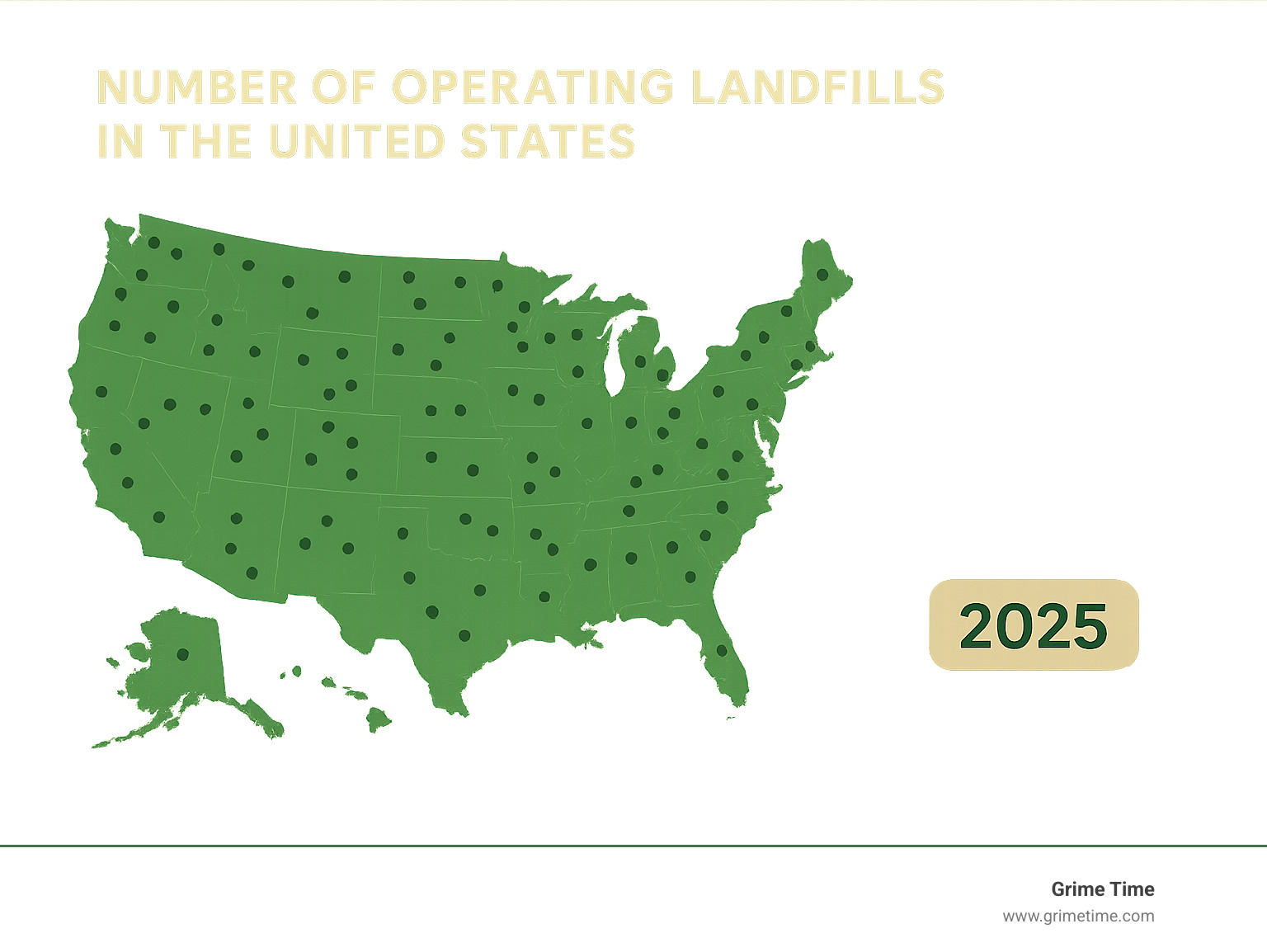
Dumpster fees can vary significantly based on where your waste ends up. There are over 1270 landfills currently operating in the United States, and each may have its own fee structure. This vast network of disposal sites contributes to the regional variations in pricing that you might encounter.
How Debris Type and Weight Influence the Final Price
Not all trash is created equal – at least not when it comes to disposal costs! The type of debris you’re tossing can make a dramatic difference in your final bill.
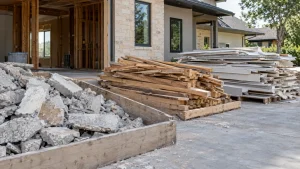
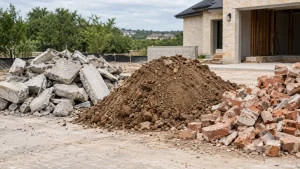
Construction debris versus household waste creates one of the biggest pricing gaps you’ll encounter. General household junk, yard waste, and light demolition debris typically have different disposal costs at landfills than heavy construction and demolition materials. Concrete, brick, and asphalt often incur higher disposal fees because they require specialized processing at the landfill.
Here’s where things get tricky with heavy debris restrictions. If your project involves concrete, dirt, or asphalt, you might need a smaller dumpster size even if you have mountains of material. A 10-yard dumpster filled with concrete can weigh more than a 40-yard dumpster filled with light household items. Our trucks have legal weight limits – typically 10 tons for a three-axle truck – and exceeding these limits can lead to hefty fines that nobody wants to deal with.
Landfill charges work by the ton, which is why accurately estimating your debris weight matters so much. The heavier your load, the higher the disposal cost becomes. We work with you to understand your project’s needs and recommend the right dumpster size and weight limit to avoid those surprise overage charges that can sting your budget.
For a clearer understanding of how your specific debris might affect your rental cost, check out our guide on Rent a Bin Cost.
Permits, Rental Periods, and Other Considerations
Beyond the dumpster itself and your debris, several practical considerations can influence your total dumpster fees in ways you might not expect.
Street placement permits become necessary if you plan to place the dumpster on public property like streets, sidewalks, or alleyways. Your local municipality will likely require a “right-of-way” permit, and these come with their own fees that vary by city. We can help guide you on whether a permit is needed in your Austin or Central Texas location. The good news? If the dumpster fits entirely on your private property like your driveway, permits usually aren’t necessary.
Don’t forget about homeowner association rules if you have an HOA. Some associations have specific requirements regarding dumpster placement, appearance, or how long you can keep one. It’s worth checking before you order to avoid any neighborhood drama.
Standard rental periods typically range from 5 to 10 days in our initial pricing. This gives most customers plenty of time to fill the dumpster without feeling rushed. However, life happens, and projects sometimes take longer than expected.
Daily extension fees kick in if you need extra time, but don’t worry – we offer flexible extensions at reasonable daily rates. Planning your project timeline efficiently can help you stay within the standard rental period and avoid these additional costs. Having your debris ready when the dumpster arrives and aiming to finish on schedule will keep your budget happy.
A Guide to Common Dumpster Fees and How to Avoid Them
One of the biggest frustrations for customers is encountering unexpected dumpster fees on their final bill. We’ve all been there – you get a reasonable quote upfront, complete your project, and then wham – the final bill is hundreds of dollars higher than expected. That sinking feeling in your stomach? We want to help you avoid it entirely.

At Grime Time, we believe in transparency above all else. That means empowering you with knowledge about potential charges and, more importantly, showing you exactly how to sidestep them. The most common surprise fees include overage fees for exceeding weight limits, overloading fees when you pile debris too high, trip fees when our drivers can’t complete their job, and contamination charges for prohibited items.
Here’s the good news: with a little preparation and clear communication upfront, you can steer clear of nearly all these surprises. Our commitment to providing Affordable Dumpster Service means we’ll always guide you on best practices before problems arise.
Understanding Weight-Related Dumpster Fees
Weight-related charges are often the sneakiest culprits on dumpster bills, but they’re also among the most preventable once you understand how they work.
Overage fees kick in when your debris weighs more than the generous weight limit included in your flat-rate quote. Since landfills charge us by the ton, we have to pass along those additional disposal costs. Industry-wide, overage fees typically run $50 to $250 per ton over your limit. The key is knowing your weight allowance upfront – we’ll always communicate this clearly when you book.
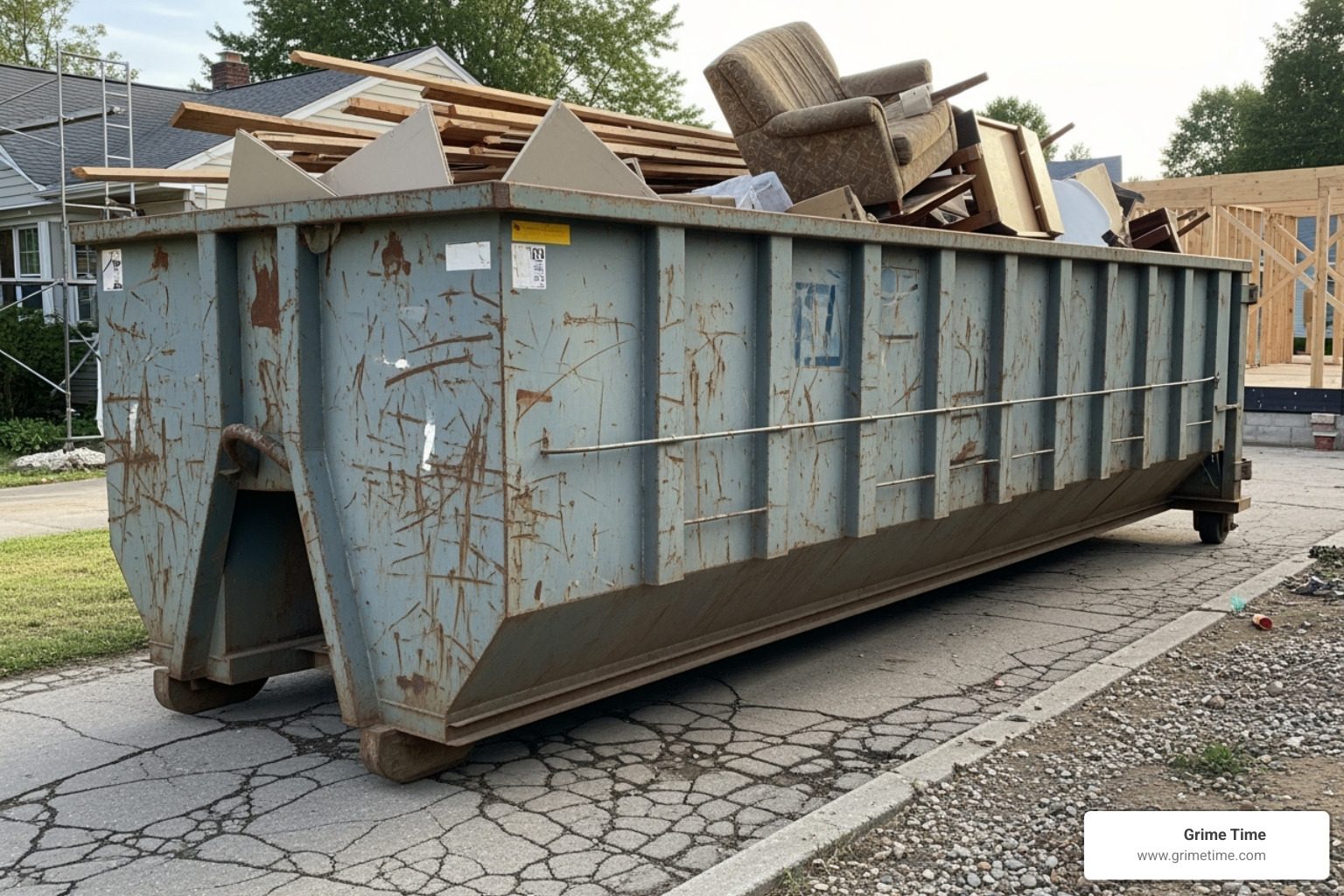
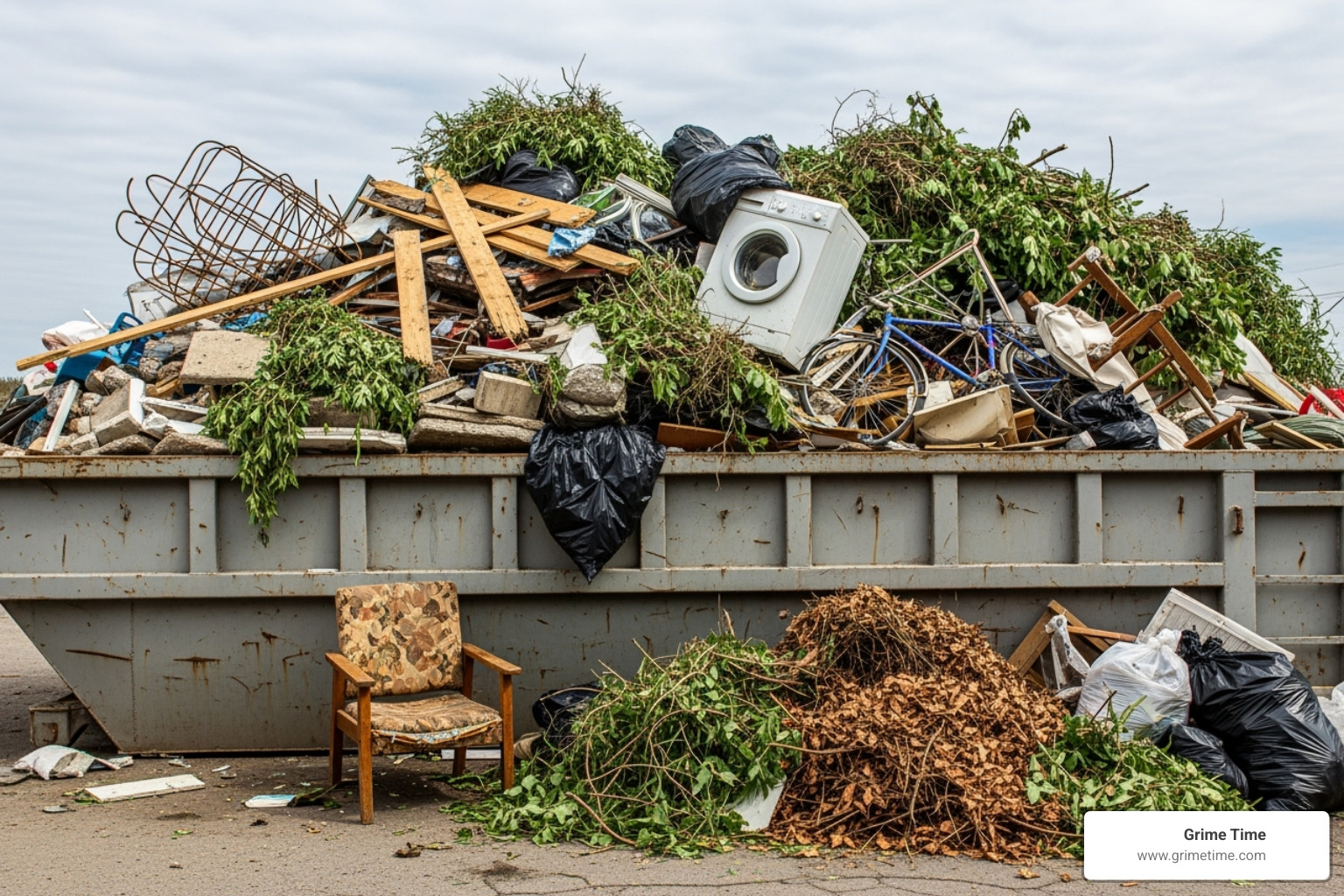
Overloading fees are completely different beasts. These happen when you fill your dumpster past the top rail, creating an unsafe load that’s often illegal to transport on public roads. Picture it like trying to drive with a mattress hanging off your car roof – it’s just not happening safely. If our driver can’t haul your overstuffed dumpster, you’ll face a trip fee for the attempted pickup and potentially need to remove materials or rent a second container.
Avoiding excess weight comes down to smart planning. Estimate your debris type and quantity before ordering – if you’re dealing with heavy materials like concrete, brick, or dirt, let us know so we can recommend the right size and weight limit. Never fill past the top edge of the dumpster, as our drivers need to safely tarp loads for transport.
Weight calculators can give you rough estimates, but honestly, the best approach is discussing your specific project with our team. We’ve seen it all and can help you choose the ideal dumpster size and weight allowance for your needs.
Logistical and Scheduling Dumpster Fees
Sometimes the issue isn’t what’s in your dumpster, but what’s happening around it. These fees relate to access problems and scheduling hiccups that can usually be prevented with a little foresight.
Trip fees ranging from $195 to $350 get charged when we show up to deliver or pick up your dumpster but can’t complete the job due to circumstances beyond our control. The most common culprits? Blocked access from parked cars, fences, or other obstacles in the way. Locked gates when we don’t have entry codes or keys. Unprepared sites where the area isn’t clear or safe for our trucks to maneuver.
Wait fees are rare but can occur if our driver gets stuck on-site for an extended period beyond normal placement time. This usually happens when sites aren’t ready for delivery or pickup.
Late cancellation charges around $150 may apply if you cancel too close to your scheduled delivery – typically after 3 p.m. the day before. We understand plans change, but last-minute cancellations mean we’ve already dispatched trucks and adjusted schedules.
Rescheduling fees work similarly. The earlier you give us notice about changes, the better we can accommodate you without additional charges.
The golden rule for avoiding these fees? Always ensure your dumpster area stays clear of vehicles, debris, and obstructions. A little preparation goes a long way toward keeping your costs predictable.
Fees for Prohibited Items and Contamination
This is where things get serious, both for safety reasons and environmental compliance. Landfills have strict rules about acceptable materials, and violating these can lead to some of the steepest surprise charges.
Hazardous waste tops the prohibited list and includes paints, solvents, motor oil, antifreeze, pesticides, chemicals, and asbestos. These materials require specialized disposal at designated facilities, not general landfills. If hazardous items end up in your dumpster, you’re looking at special handling fees ranging from $25 to $200 per item.
Tires, batteries, and liquids are also big no-nos due to their environmental impact and processing challenges. Certain appliances like refrigerators, freezers, and AC units need special handling to remove harmful refrigerants before disposal. Electronics such as TVs, computers, and monitors contain heavy metals and toxic materials that require specialized e-waste recycling.
Contamination charges are perhaps the most painful surprise. If you mix prohibited items with general waste, the entire load might be considered contaminated. This can mean rejection at the landfill or significant contamination fees that get passed directly to you.
Keeping unaccepted materials out starts with asking us about prohibited items when you book your rental. We’ll provide a clear list and can often direct you to local recycling centers or specialized disposal facilities for items we can’t accept.
Covering your dumpster with a tarp isn’t always required, but it’s smart protection. It prevents illegal dumping by others (which becomes your responsibility!) and keeps rain or snow from adding weight to your load. A little prevention now saves big headaches later.
Frequently Asked Questions about Dumpster Fees
What’s the difference between an overage fee and an overloading fee?
This question comes up all the time, and honestly, it’s no wonder people get confused! The two fees sound similar but they’re actually quite different beasts.
An overage fee is all about weight. Think of it like going over your cell phone data limit – you used more than what was included in your plan. If your rental includes a 2-ton weight limit but your debris actually weighs 2.5 tons, you’ll pay an overage fee for that extra half-ton. The dumpster itself might look perfectly normal and safe to transport, but those materials were just heavier than expected.
An overloading fee is about safety and volume. This happens when you’ve stuffed the dumpster so full that debris is piled above the top rail or “fill line.” Even if the weight is totally fine, we simply can’t safely haul an overfilled dumpster down the highway – it’s dangerous and often illegal.
Here’s where it gets expensive: if your dumpster is overloaded, we might not be able to pick it up at all. That could mean a trip fee for our failed pickup attempt, plus you’d need to remove materials or potentially rent a second container. Nobody wants that headache!
Are landfill fees included in my dumpster rental price?
With our transparent flat-rate pricing, landfill fees (sometimes called gate fees or tipping fees) are included in your upfront quote, up to your specified weight limit. This means no surprise disposal charges showing up on your final bill – what we quote you is what you pay, period.
This is different from variable-rate pricing models where landfill fees often appear as separate line items on your final bill. With that approach, you won’t know your true disposal costs until after your dumpster gets weighed at the landfill. We think our way is much better for your peace of mind and budget planning!
The key thing to remember is staying within your weight allowance. As long as you do that, those disposal costs are completely covered in your initial price.
How can I avoid unexpected charges on my final bill?
Nobody enjoys surprise fees, especially ones that show up after your project is done! The good news is that most unexpected dumpster fees are totally preventable with a little planning and communication.
Choose transparent, flat-rate pricing – this is exactly what we specialize in at Grime Time. Our upfront quotes include delivery, pickup, generous weight allowances, and your rental period. No hidden charges lurking in the fine print.
Be upfront about your debris when you call us. Don’t be shy about describing exactly what you’re throwing away! If you’re dealing with heavy stuff like concrete or dirt, or you’ve got a mixed bag of different materials, tell us. We can help you pick the right dumpster size and weight limit to avoid those pesky overage charges.
Keep your access areas clear for both delivery and pickup. Before our truck arrives, make sure no cars, equipment, or other obstacles are blocking where the dumpster needs to go. Same thing on pickup day – clear the path! This simple step prevents frustrating trip fees.
Don’t overfill and avoid prohibited items – this might be the most important tip of all. Always keep your debris level with or below the top edge of the dumpster. And please stick to our approved materials list. Following these two rules will save you from overloading fees, contamination charges, and other surprise costs.
The bottom line? Good communication with us upfront and following our guidelines will keep your dumpster rental experience smooth and your final bill exactly what you expected.
Conclusion: Renting Smart and Saving Money

You’ve made it through the maze of dumpster fees, and honestly, that’s half the battle! What might have seemed overwhelming at first – all those potential charges, weight limits, and prohibited items – now makes perfect sense. You understand the difference between overage fees and overloading penalties. You know why location matters and how debris type affects your final bill. Most importantly, you’re armed with practical strategies to avoid those surprise charges that catch so many people off guard.
The secret to a smooth dumpster rental experience really comes down to one simple principle: transparency. When you know exactly what you’re paying for upfront, there are no unpleasant surprises waiting in your mailbox. That’s why we built our business around flat-rate pricing and clear communication. We believe you deserve to know your costs from day one, not after your project is complete.
Think about it this way – you wouldn’t hire a contractor who couldn’t give you a clear estimate, right? The same logic applies to your waste disposal needs. Whether you’re cleaning out decades of accumulated stuff from your garage, renovating your kitchen, or managing a construction site in Austin, you deserve a partner who respects your budget and your time.
Our commitment to no hidden fees isn’t just a marketing slogan – it’s how we do business every single day. We’ve seen too many customers frustrated by bills that were hundreds of dollars more than expected. That’s not the experience we want for you. When we give you a quote, we mean it. When we tell you what’s included, you can count on it.
Your next project doesn’t have to be stressful, especially when it comes to waste disposal. You now have the knowledge to make smart decisions, ask the right questions, and choose a rental company that puts your needs first. Ready to put this knowledge to work? Get a quote for your Austin roll-off dumpster rental today, and let’s turn your cleanup project into a success story!