Planning a Dumpster Load for Greenhouse Removal in Austin
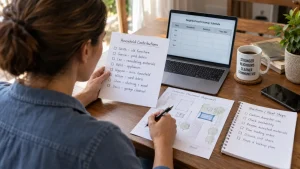
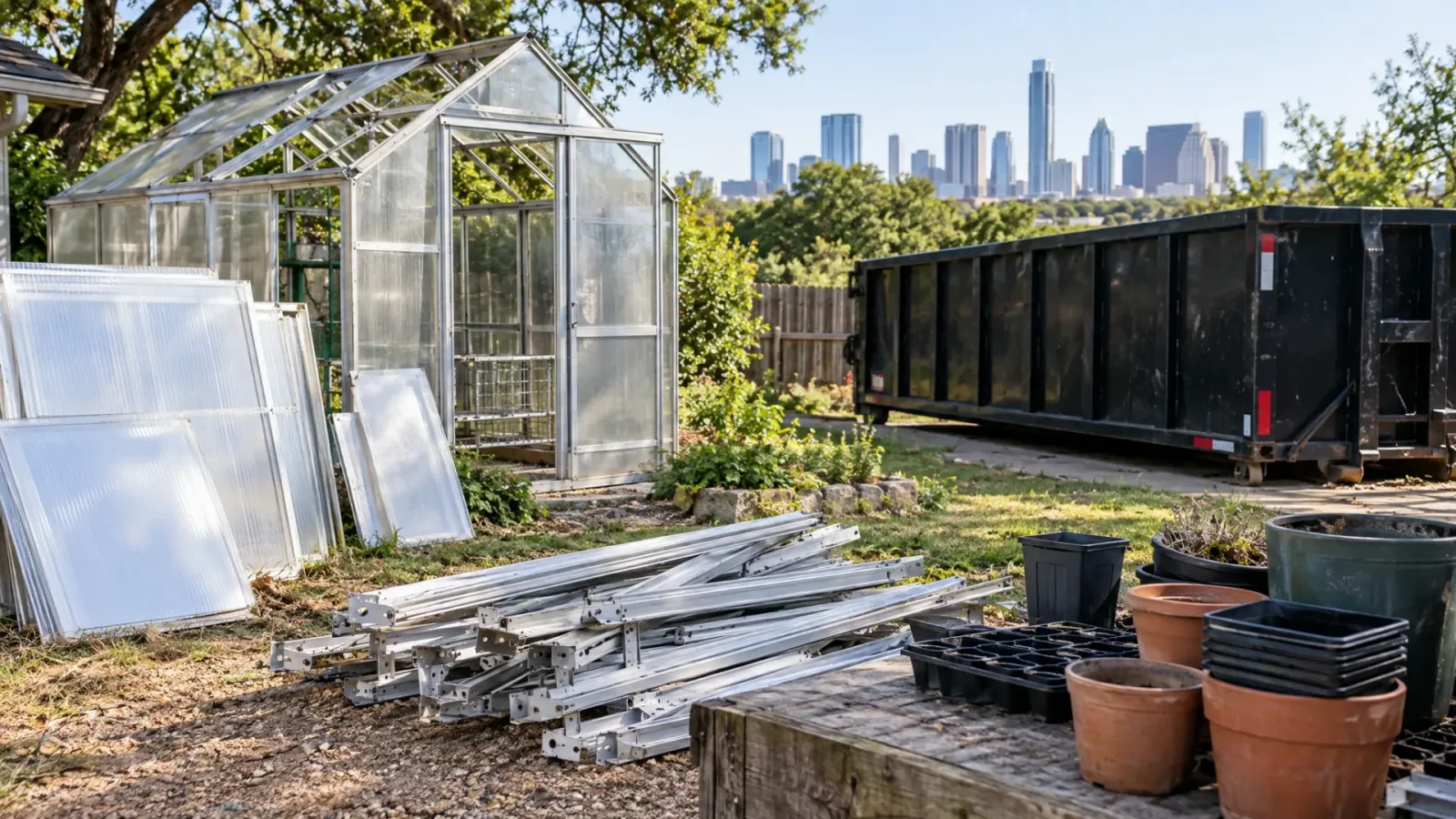
Before taking down an old greenhouse, confirm how its glazing will be accepted and contained—not just whether you can rent a dumpster for the frame. Build a material list that separates panels, framing, benches, contents, and any foundation debris. Use that list to get approval for the proposed load and a container recommendation.
Keep fertilizers, pesticides, irrigation liquids, and pots containing soil out of the proposed demolition load. Arrange their disposal separately rather than treating everything inside the greenhouse as structural debris.
Identify What You Are Removing—and What Is Staying
Photograph the greenhouse while it is standing, including the interior, damaged panels, and base. Record its length, width, and height, then prepare these material groups:
- Glazing: Identify glass, polycarbonate, acrylic, plastic film, or other panel material. Record approximate panel sizes and quantities, and note whether they are intact or broken. If you are unsure of the material, look for labels or product documentation and flag the uncertainty.
- Framing: List the frame material, doors, roof supports, anchors, and hardware. Include the longest sections you expect to remove.
- Benches and fixtures: Identify shelving, worktables, trays, and their materials separately from the structure.
- Foundation: Specify whether a slab, footings, blocks, pavers, gravel, or timber perimeter will remain. Estimate dimensions or quantities for anything being removed.
- Contents: List empty pots, plants, growing media, irrigation equipment, stored products, and electrical equipment separately for review.
If you are also planning disposal for another backyard structure, identify its debris separately rather than combining everything under “greenhouse removal.”

Get a Glazing-Specific Answer Before Dismantling
Ask for acceptance confirmation for each panel material and condition. Describe polycarbonate as polycarbonate, for example, rather than using “glass” as a catchall for transparent panels.
For broken glazing, resolve these questions before removal begins:
- Are both intact panels and broken pieces accepted?
- What containment and loading method is required?
- Is packaging required or permitted, and if so, what kind?
- Can the glazing share a load with the listed frame and bench materials?
Do not break panels merely to make them fit or conceal fragments in other debris. Keep people and pets away from broken glazing. If you cannot remove panels safely, arrange appropriate removal help separately from the dumpster rental.
Sort the inventory into three groups: approved for the shared load, requiring separate disposal, and awaiting confirmation. Keep unresolved materials out of the dumpster.

Keep Contents and Foundation Removal Separate in the Estimate
Set aside fertilizers, pesticides, and irrigation liquids, and seek disposal instructions for the specific products. Confirm the applicable disposal route and any eligibility requirements before transporting them. Do not pour leftover products into the dumpster to empty their containers.
Distinguish empty pots from pots containing soil, and identify the pot materials. Ask separately about plants, growing media, and irrigation equipment; approval for the greenhouse frame should not be treated as approval for its contents.
For the base, request a recommendation for the structural debris alone and another that includes the foundation, if removal is still undecided. Ask whether the proposed concrete, pavers, soil, or gravel can share that load and whether a separate container or haul is needed. If the foundation is staying, make that explicit.
Match the Approved Debris to a Container and Placement Plan
Give the provider panel dimensions, frame lengths, bench sizes, and foundation quantities—not just the greenhouse footprint. Ask for a container recommendation that addresses both how the pieces will fit and the applicable weight limits.

Request the permitted loading height, maximum load, included disposal weight, rental period, and any additional-charge terms in writing. Confirm these individually rather than assuming the quoted weight allowance answers every loading question.
Photograph the proposed delivery spot and the route from the backyard. Note gates, steps, narrow passages, overhead obstructions, and other access obstacles. Have the placement reviewed before scheduling; do not assume the delivery truck can reach the greenhouse.
Review Austin dumpster rental options, then send Grime Time photos, greenhouse dimensions, glazing and frame materials, foundation removal plans, your delivery address, and preferred dates. Ask for material acceptance, glass-handling requirements, the recommended container, applicable weight and loading terms, pricing, and delivery availability before booking. Call 512-387-5802 to discuss your greenhouse debris plan.