Can Bathroom Remodel Debris Go in a Dumpster in South Austin?
If you are planning a bathroom update and wondering whether the debris can go into a dumpster rental in South Austin, the short answer is usually yes. Most standard bathroom remodel debris can go into a residential roll-off dumpster as long as the materials are non-hazardous and the load stays within the container’s weight and fill limits.
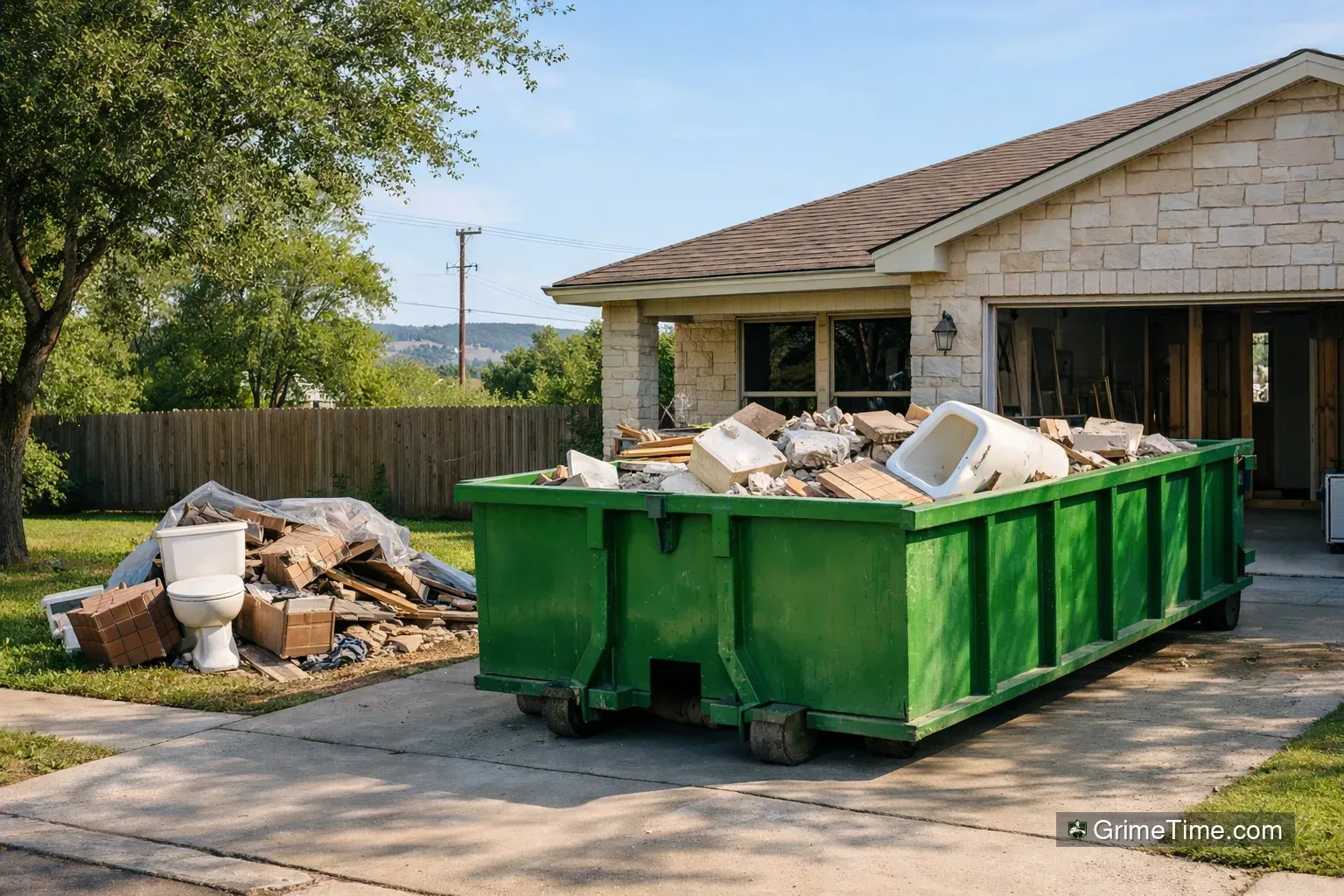
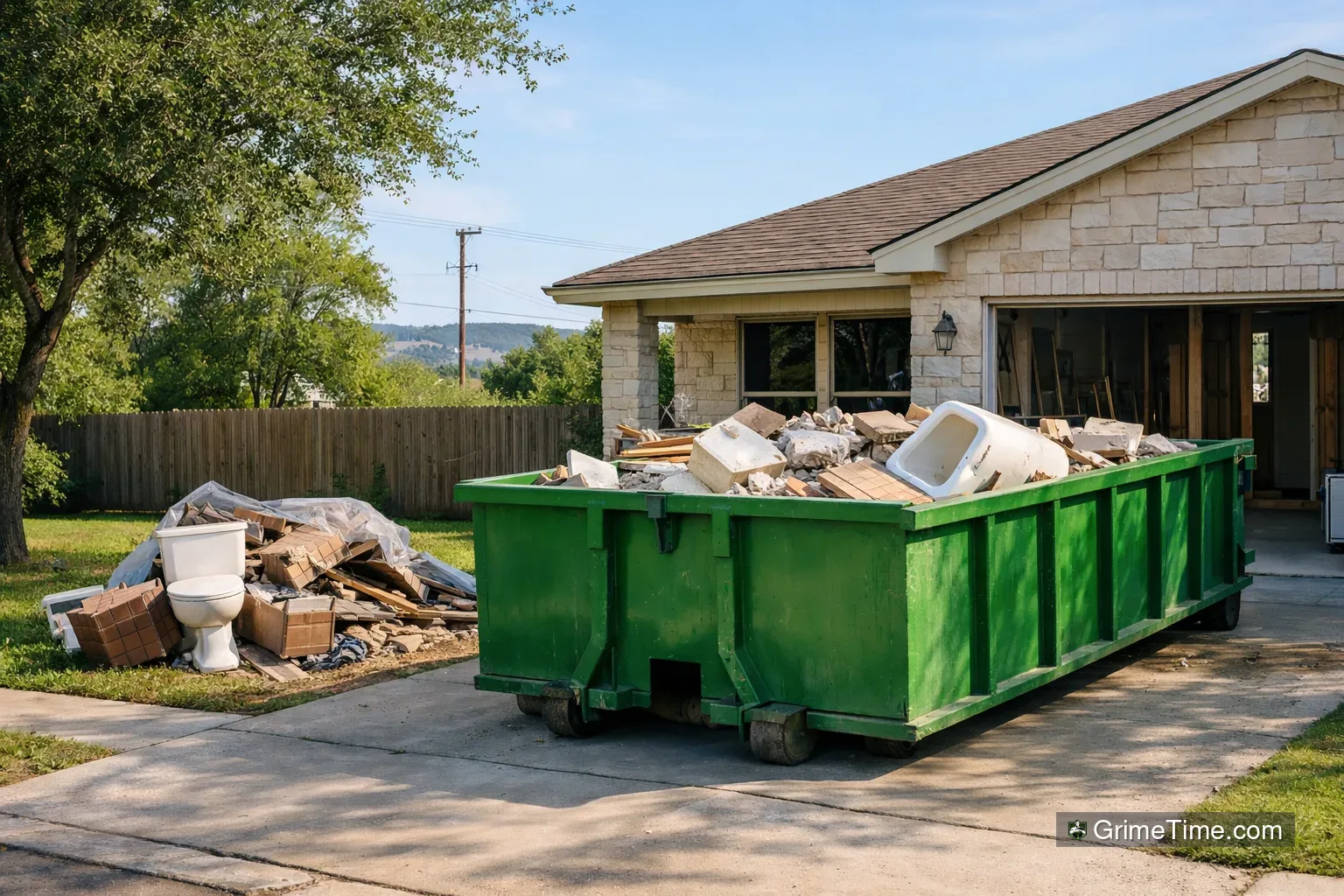
That means common items like broken tile, drywall, old vanities, sinks, toilets, flooring, trim, and shower materials are often acceptable in a Dumpster Rental South Austin project. Where people run into trouble is not usually the basic debris itself. It is leftover chemicals, wet paint, solvents, adhesives, overloaded heavy material, or a mix of waste that was not discussed ahead of time.
For homeowners, contractors, and remodel crews in South Austin, the simplest approach is to treat bathroom demolition debris as a straightforward construction-and-remodel waste stream, then confirm any questionable items before delivery. That avoids overage charges, prohibited-load issues, and pickup delays.
This guide breaks down what can usually go in, what needs a second look, how heavy materials affect pricing, and what size container often makes the most sense for a powder room, guest bath, or primary bath remodel.
Short Answer: Can Bathroom Remodel Debris Go in a Dumpster?
Yes, in most cases bathroom remodel debris can go into a dumpster rental south austin customers use for residential renovation work. If you are tearing out an older bathroom in South Austin, the usual demolition waste from the room is generally accepted in a roll-off dumpster.
Typical yes items include:
- Tile and tile backer
- Drywall and cement board
- Old vanity cabinets and countertops
- Toilets, sinks, tubs, and shower surrounds
- Laminate, vinyl, and other flooring materials
- Baseboards, trim, and non-treated wood
- Packaging from new fixtures and materials
Typical maybe or no items include:
- Liquid paint and paint cans with wet contents
- Solvents, cleaners, and chemicals
- Adhesives, sealants, and coatings with hazardous ingredients
- Batteries, fluorescent bulbs, and certain electronics
- Anything the landfill classifies as hazardous or regulated waste
So if your question is, “Can tile, drywall, old vanities, and toilets usually go in a South Austin dumpster rental?” the practical answer is yes, they usually can. If your question is, “Can I throw in leftover chemicals from the job, half-full paint buckets, or unknown products from an older home?” that is where you should stop and ask first.
Common Bathroom Remodel Materials That Are Usually Allowed
For most bathroom renovation waste disposal jobs, the accepted materials are the ones people expect from normal tear-out work. A bathroom remodel debris dumpster is typically used for bulky, solid debris, not liquids or hazardous products.
Tile, mortar, and grout
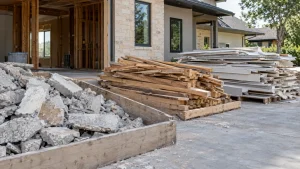
Old wall tile, floor tile, thinset chunks, mortar, and grout debris are commonly allowed. These are some of the most common materials in tile and drywall dumpster disposal jobs. The main caution is weight, not whether the material is acceptable. A small bathroom can generate a surprising amount of heavy debris once the tile, mud bed, or old shower assembly comes out.
Drywall, greenboard, and cement board
Drywall from walls or ceilings usually goes into the dumpster without issue. Bathroom drywall may include moisture-resistant board or cement backer board around showers and tubs. These materials are also usually accepted. Again, the main concern is how much of it there is and whether it is mixed with other heavy demolition waste.
Old vanities and cabinets
Vanity cabinets, drawer fronts, shelving, and particleboard or plywood pieces are generally fine. If the vanity top is laminate, cultured marble, or another common countertop surface, it usually can go in too. Break down bulkier items when possible so the load stays level and easier to manage.
Toilets, sinks, tubs, and shower materials
Porcelain toilets and sinks are often accepted in a South Austin roll-off dumpster. Fiberglass shower surrounds and acrylic tubs are also common remodel debris. Cast iron tubs may be allowed as well, but because of the weight, you should mention them when booking. One cast iron fixture can materially affect the load.
Flooring and underlayment
Vinyl flooring, laminate, old underlayment, baseboards, and transition strips are typically acceptable. If you are removing a mud-set tile floor, the added masonry-like weight matters more than the material category itself.
Fixtures and hardware
Faucets, showerheads, curtain rods, mirrors without special coatings, small metal plumbing trim, and similar non-hazardous fixtures are generally fine for a dumpster rental for home remodel work.
Packaging and jobsite trash
Cardboard boxes, plastic wrap, and other ordinary cleanup debris from the remodel can usually go in as long as they are not mixed with prohibited items. Flatten boxes and keep them dry when you can to save space.
For broader local service information, South Austin homeowners and remodelers can also review Trusted Dumpster Rentals in South Austin, TX.
Items That May Be Restricted, Hazardous, or Need Special Handling
This is the part that matters most if you want to avoid extra fees or a delayed pickup. Many loads are fine until one restricted item gets mixed in.
Wet paint, stains, and coatings
Leftover liquid paint, wood stains, and similar coating products are common bathroom remodel leftovers that often cannot go into a standard residential dumpster. Empty or fully dried cans may be treated differently than cans with liquid contents, but you should confirm before tossing them in.
Solvents, cleaners, and chemicals
Products such as mineral spirits, paint thinner, adhesive removers, strong cleaners, and other chemical liquids may require separate disposal. That includes older products found under a bathroom sink during demolition or cleanout. Local disposal rules matter here, and City of Austin household hazardous waste guidance can help explain why these do not belong in a standard dumpster.
Adhesives, sealants, and epoxies
Construction adhesives, grout additives, caulks, waterproofing products, and epoxies are not all treated the same. Some cured materials may be acceptable as debris, while leftover liquid or partially full containers may need special handling. If the product label includes hazardous warnings or disposal restrictions, ask before loading it.
Batteries, bulbs, and electronics
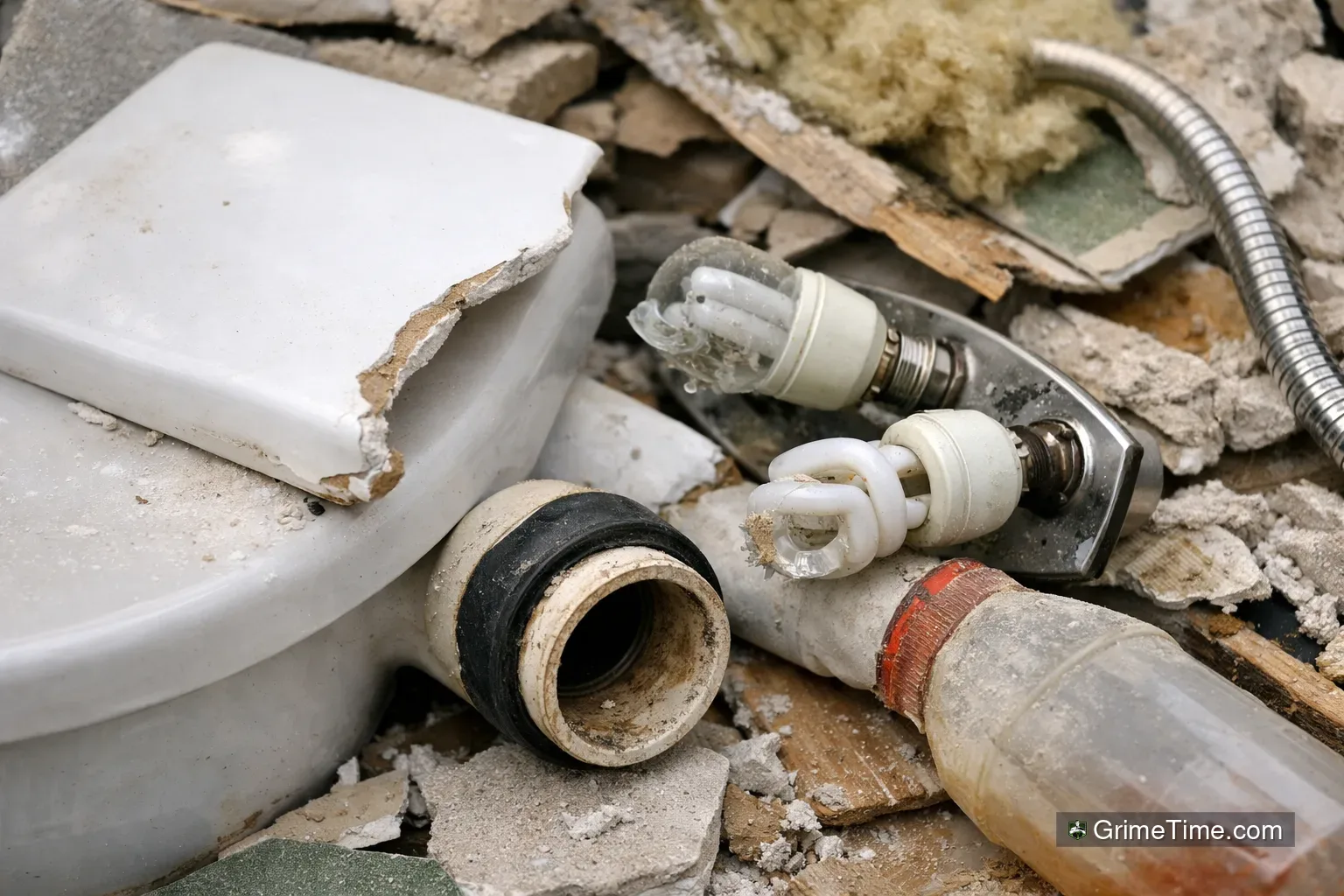
If your bathroom remodel includes removing a powered mirror, small electronics, or backup batteries from fixtures, do not assume they can go in with standard demolition debris. Fluorescent, CFL, or specialty bulbs may also have separate disposal rules.
Possible hazardous materials in older homes
South Austin has a mix of older and newer homes. In older properties, certain materials may deserve extra caution. If you suspect asbestos-containing material, lead-contaminated debris, or anything unusual from an older renovation layer, stop and verify the right disposal path before putting it in the dumpster.
Medical or biological waste
This is less common in remodels, but if the bathroom space is part of a medical or care-related property cleanup, regulated waste should never be mixed into a normal residential dumpster load.
If you want more local information on service options and acceptable materials, the dumpster rental south austin resources page is a useful next stop, along with local waste rules from the City of Austin, the Texas Commission on Environmental Quality, and EPA household hazardous waste guidance.
How Weight, Debris Type, and Dumpster Size Affect the Rental
For bathroom remodels, the biggest pricing mistake is assuming a small room means a light load. Bathrooms are compact, but they often contain some of the heaviest materials in the house.
Heavy debris adds up quickly
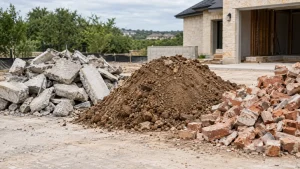
Tile, mortar, mud bed, cement board, and porcelain fixtures can push the load weight up fast. A single-room demolition may still be heavy enough to affect the final price if you choose too large a container and then fill it densely with masonry-like material. In many bathroom projects, weight matters more than raw volume.
Why overage risk happens
Overage risk usually comes from one of these situations:
- The container is filled with dense debris like tile and mortar all the way to the top
- A cast iron tub or multiple porcelain fixtures were not mentioned in advance
- The bathroom debris gets mixed with concrete, brick, or other heavier materials from elsewhere on the property
- The renter chooses a size based only on room count, not material type
Recommended dumpster size for a powder room remodel
A powder-room or half-bath tear-out is often manageable with a smaller roll-off, especially if the scope is limited to vanity, toilet, drywall patches, flooring, and minor tile removal. If the remodel includes a heavy tile floor or masonry-style tear-out, mention that before booking so the weight profile is clear.
Recommended dumpster size for a guest-bath remodel
A guest-bath project often benefits from a mid-range residential dumpster rental south austin homeowners can keep close to the driveway. This is especially true if the remodel includes a tub/shower surround, vanity, wallboard, flooring, and packaging from the replacement materials.
Recommended dumpster size for a primary-bath remodel
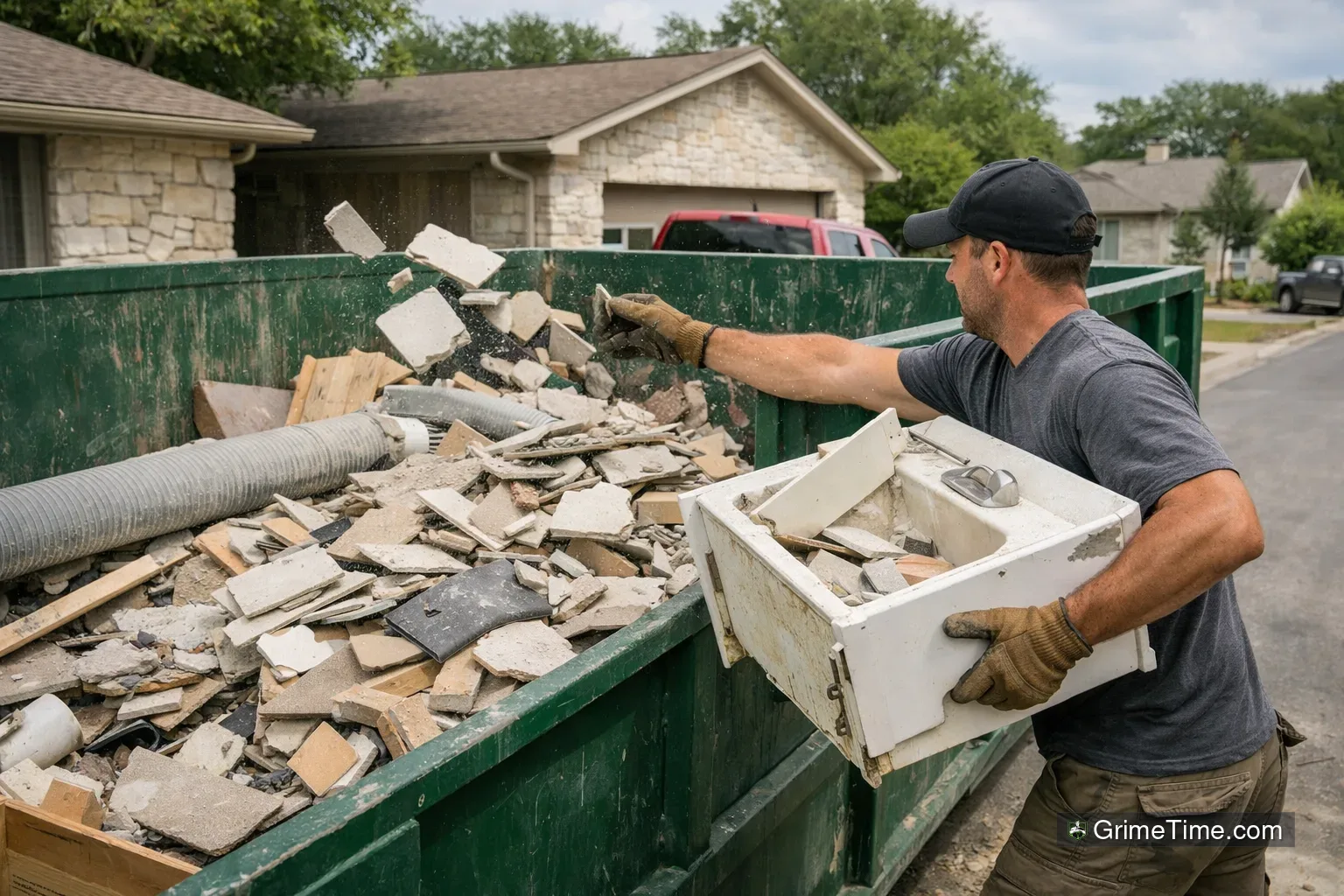
A primary bathroom remodel usually creates more debris than people expect. Double vanities, larger shower enclosures, bigger tile areas, glass packaging, and bulky demolition waste can justify stepping up in container size. But if much of the waste is heavy tile and mud bed material, the right answer is not always “bigger.” Sometimes the better choice is discussing a size that matches both volume and weight limits.
For readers comparing options, Grime Time’s big trash container guide can help frame the differences between container types and common project uses.
Tips for Loading Bathroom Renovation Debris Efficiently
Smart loading helps you use the dumpster space better and reduces the chances of an uneven, overweight, or hard-to-haul load.
Start with flat and heavy material on the bottom
Place broken tile, drywall sections, and other flat debris low in the container. Spread the weight across the floor instead of creating one dense pile near the door or one side.
Break down bulky pieces
Remove vanity doors, cut larger drywall pieces if needed, and break down non-reusable cabinets so they sit flatter. This makes more room for irregular debris and helps keep everything below the top edge.
Keep porcelain and masonry-like debris distributed
Toilets, sinks, mortar chunks, and tile should be spread throughout the load when practical. Do not stack all heavy items in one corner. That creates handling issues and can make the container harder to transport safely.
Do not overfill above the rim
Even if the debris physically fits, a load that rises above the top rail may not be legal or safe to haul. Pickup delays often happen because the dumpster has to be leveled off first.
Separate questionable materials before demo day
Set aside leftover chemicals, sealants, wet paint, cleaners, and anything with a warning label. That way they do not accidentally end up in the dumpster during a fast demolition day.
Keep cardboard and light packaging for the top or gaps
Once the heavy debris is in, use lighter packaging to fill open spaces. That helps maximize volume without adding much weight.
Protect the loading path
Bathroom remodel debris is dusty and sharp. Use bins, buckets, or a wheelbarrow to move smaller broken pieces cleanly from the house to the dumpster. It speeds up the job and reduces the mess around the property.
What South Austin Renters Should Confirm Before Delivery
Before the dumpster arrives, a few practical questions can save you time and money.
1. What exactly is coming out of the bathroom?
Make a quick list: tile, drywall, vanity, toilet, sink, tub, shower enclosure, flooring, or concrete-like base material. This helps match the right container to the actual debris.
2. Are there any especially heavy items?
Tell the rental company about mud-set tile floors, cast iron tubs, thick mortar beds, or any additional masonry debris. Those details matter.
3. Will the dumpster sit in the driveway or street?
South Austin properties vary a lot. Some homes have easy driveway placement, while others need tighter access planning. Narrow streets, parked vehicles, gates, low branches, and HOA considerations should be discussed before delivery.
4. Are you mixing other cleanup debris with the bathroom remodel waste?
If the project also includes garage cleanout material, fencing, yard waste, or general household junk, say so up front. Mixed loads can change both size recommendations and disposal rules.
5. What materials are prohibited for this load?
This is where plain-language yes-or-no guidance matters. Ask directly about paint, chemicals, adhesives, batteries, bulbs, and any questionable products you found in the bathroom or under the sink.
6. How long will you need the container?
Bathroom remodels can be quick, but schedules shift. Make sure the rental window matches demo, cleanup, and any delay between trades.
If you are also comparing broader metro service information, the Austin dumpster service resources page gives more context on available container options and use cases.
When It Makes Sense to Ask for a Direct Material Check
Sometimes the fastest answer is not a general rule. It is a direct material check based on your exact bathroom project.
You should ask before booking if:
- You have leftover paint, waterproofing products, solvents, or unknown chemicals
- You are removing a cast iron tub or a thick mud-set tile floor
- You found old materials in the wall or under the flooring that you cannot identify
- You plan to mix bathroom debris with garage, attic, or whole-house cleanout waste
- You are not sure whether a product is cured solid waste or still a restricted liquid
- You want to avoid weight overage from tile, mortar, or concrete-like debris
This is especially useful for first-time remodelers using a residential dumpster rental south austin service. A two-minute clarification now is easier than re-sorting a loaded dumpster later.
Bathroom Remodel Dumpster FAQ
Can tile, drywall, old vanities, and toilets usually go in a South Austin dumpster rental?
Yes. In most cases, tile, drywall, vanity pieces, sinks, and toilets are acceptable bathroom remodel debris for a standard roll-off dumpster. The main thing to watch is weight, especially with tile, mortar, and porcelain fixtures.
What bathroom remodel items are not allowed in a residential dumpster?
Common restricted items include liquid paint, solvents, chemicals, adhesives with hazardous contents, batteries, fluorescent bulbs, and other regulated waste. If you have leftover renovation products instead of solid demolition debris, ask first.
Will heavy materials like tile, concrete, or mortar change the dumpster price?
They can. Heavy debris can increase disposal weight and create overage risk if the container is overloaded. Bathrooms are small rooms, but dense materials add up fast. Mention tile, mud bed, mortar, cast iron, or concrete-like debris when booking.
What size dumpster works best for a small or mid-size bathroom remodel?
Small powder-room projects often work with a smaller container. Guest-bath remodels usually fit well in a mid-size option. Primary-bath renovations may need more capacity, but the right size still depends on the material mix. Heavy debris can change the recommendation even when the room itself is not large.
Should I ask about specific materials before booking my South Austin dumpster?
Yes, especially if the job includes anything wet, chemical-based, unusually heavy, or hard to identify. A direct material check helps you choose the right roll-off size and avoid prohibited-load issues.
Conclusion
Bathroom remodel debris usually can go into a dumpster, and for most South Austin projects that includes tile, drywall, vanities, old fixtures, flooring, and general tear-out waste. The real issues are usually not the standard demolition materials. They are heavy loads, overfilled containers, and restricted items like paint, chemicals, or questionable leftover products.
If you want to keep your bathroom renovation waste disposal simple, the best plan is to identify the debris type, choose a container based on both volume and weight, and check any uncertain items before the dumpster is delivered. That is the easiest way to avoid extra fees and keep pickup on schedule.
If you want a quick yes-or-no on your specific bathroom remodel materials, pricing, or the right South Austin roll-off dumpster size, call Grime Time Dumpster Rentals at 512-387-5802. A direct answer is often the fastest way to sort out tile, drywall, vanity debris, and anything that may need special handling before your project starts.